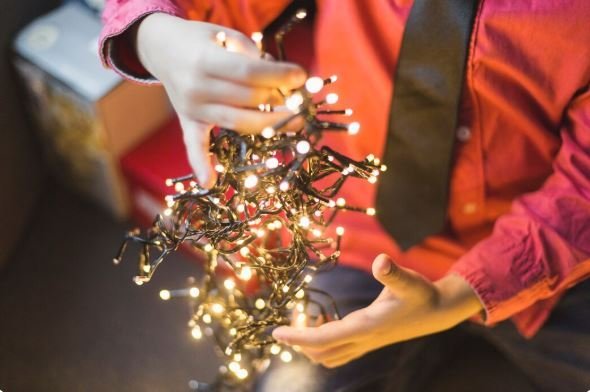
The holiday season brings a unique sense of warmth, joy, and celebration, and one of the most recognizable parts of that atmosphere is beautifully arranged lighting displays. Whether used for homes, businesses, or public spaces, decorative lighting transforms ordinary environments into festive scenes filled with color and excitement. At the center of this transformation is Christmas light installation, a process that combines creativity, planning, and technical skill to produce safe and visually appealing results.
In this comprehensive guide, we will explore everything about Christmas light installation, including planning strategies, design ideas, safety practices, equipment selection, installation techniques, maintenance tips, and long-term value. Understanding these aspects can help create stunning displays that enhance the holiday experience while ensuring safety and efficiency.
Understanding the Purpose of Holiday Lighting Displays
Holiday lighting is more than just decoration; it plays a major role in creating atmosphere and emotional connection during festive seasons. Lights symbolize celebration, unity, and warmth, making them a central part of seasonal traditions in many cultures.
Proper christmas light installation helps transform homes and commercial spaces into welcoming environments that reflect the spirit of the season. From simple string lights to complex synchronized displays, lighting design can range from minimalistic to highly elaborate.
The purpose of these installations is not only aesthetic but also emotional. Well-designed lighting can evoke nostalgia, joy, and a sense of community, making it a powerful element of holiday celebrations.
Planning and Designing a Lighting Display
Successful lighting installations begin with careful planning. Before any physical work begins, it is important to assess the structure, available space, and desired visual outcome.
Design planning involves selecting a theme, choosing color combinations, and deciding on the placement of lights. Some prefer traditional warm white lights, while others opt for multicolored displays that create a more vibrant effect.
A key part of planning christmas light installation is mapping out the areas to be decorated, such as rooftops, windows, trees, fences, and pathways. This ensures balanced coverage and prevents overcrowding or uneven lighting. Energy efficiency should also be considered during planning. Modern LED lights consume significantly less electricity and last longer than traditional bulbs, making them a practical choice for large-scale installations. Proper planning not only enhances visual appeal but also reduces installation time and potential safety risks.
Types of Decorative Lighting Options
There are several types of lighting options available for holiday decorations, each offering different visual effects and applications. String lights are the most common type and are used for outlining roofs, wrapping trees, and decorating indoor spaces. They are versatile and easy to install. Net lights are designed for covering bushes or large flat surfaces, providing a uniform lighting effect with minimal effort. Icicle lights hang vertically and are often used along roof edges to create a winter-inspired look. Projection lights display animated patterns or images on surfaces, offering a dynamic and modern alternative to traditional lighting. Solar-powered lights are also becoming popular due to their energy efficiency and ease of use, especially in outdoor settings. Choosing the right combination of lighting types is an important part of effective Christmas light installation.
Safety Considerations During Installation
Safety is one of the most critical aspects of holiday lighting. Improper installation can lead to electrical hazards, falls, or damage to property. Before beginning installation, it is important to inspect all lighting equipment for damage such as frayed wires, broken bulbs, or loose connections. Using outdoor-rated extension cords and weather-resistant lights is essential for preventing electrical issues. Ladders should be placed on stable ground, and proper support should be used when working at heights. Wearing non-slip footwear and avoiding wet surfaces also reduces the risk of accidents. Overloading electrical circuits should be avoided to prevent overheating and potential fire hazards. Safe practices ensure that Christmas light installation is both enjoyable and risk-free.
Step-by-Step Installation Process
The installation process begins with preparing all materials, including lights, clips, extension cords, and mounting tools. The next step is testing all lights before installation to ensure they are functioning properly. This prevents the need for adjustments after setup. Lights are then carefully attached to designated areas using clips or hooks instead of nails or staples, which can damage wires. For rooflines, lights are usually installed starting from the power source and moving outward to ensure proper connectivity. When decorating trees or bushes, lights should be wrapped evenly to create a balanced appearance. After installation, a final inspection is conducted to check for uniform lighting, secure attachments, and proper electrical connections. Following a structured process ensures efficient and visually appealing results in christmas light installation.
Professional Installation vs DIY Approach
There are two main approaches to holiday lighting: professional installation and do-it-yourself methods. DIY installation is suitable for smaller projects and allows for creative control. However, it requires time, effort, and basic knowledge of electrical safety. Professional services are ideal for large or complex displays. Experts handle design, installation, maintenance, and removal, ensuring high-quality results and safety compliance. Professionals also have access to commercial-grade materials and equipment, which can enhance the overall appearance and durability of the display. While DIY projects can be cost-effective, professional christmas light installation often delivers more polished and reliable results.
Maintenance and Seasonal Care
Once installed, lighting systems require occasional maintenance to ensure consistent performance throughout the season. Regular checks should be performed to identify burnt-out bulbs, loose connections, or damaged wires. Weather conditions such as rain, wind, or snow may affect outdoor lighting, so adjustments may be necessary after storms. Keeping spare bulbs and replacement parts on hand helps quickly resolve minor issues without disrupting the entire display. Proper maintenance ensures that lighting remains bright and functional throughout the holiday season.
Energy Efficiency and Modern Lighting Technology
Advancements in lighting technology have significantly improved energy efficiency and performance. LED lights are now the standard for most installations due to their low energy consumption and long lifespan. They also produce less heat, reducing fire risks. Smart lighting systems allow users to control brightness, color, and timing through mobile applications or automated schedules. Some systems even synchronize with music, creating dynamic and interactive displays. These innovations have made Christmas light installation more efficient, customizable, and environmentally friendly.
Cost Considerations and Value
The cost of holiday lighting varies depending on the size of the installation, type of materials used, and whether professional services are hired. DIY projects may require lower initial investment but involve time and effort for setup and maintenance. Professional installations may have higher upfront costs but offer convenience, safety, and high-quality design. Energy-efficient LED lights help reduce electricity costs, making long-term operation more affordable. Overall, holiday lighting should be viewed as both a decorative investment and a source of seasonal enjoyment.
Common Mistakes to Avoid
Several common mistakes can affect the quality and safety of lighting installations. One mistake is overloading electrical outlets, which can lead to power failures or hazards. Another issue is using indoor lights outdoors, which can result in damage or malfunction due to weather exposure. Improper securing of lights can also lead to sagging or uneven displays, reducing visual appeal. Failing to test lights before installation often results in unnecessary rework. Avoiding these mistakes ensures a smoother and safer Christmas light installation process.
Environmental Considerations
Sustainability is becoming an important factor in holiday decorations. Energy-efficient LED lighting reduces electricity consumption and environmental impact. Solar-powered lighting options further minimize reliance on traditional energy sources. Reusing lighting materials each year also helps reduce waste and supports sustainable practices. By making environmentally conscious choices, holiday displays can be both beautiful and responsible.
Final Thoughts
Holiday lighting is a cherished tradition that brings joy, warmth, and celebration to the festive season. Behind every beautiful display is careful planning, creativity, and attention to detail.
Proper christmas light installation ensures that decorations are not only visually appealing but also safe, efficient, and long-lasting. Whether done personally or through professional services, the goal is to create a memorable experience that enhances the holiday spirit.
With the right approach, lighting installations can transform any space into a vibrant and welcoming environment that captures the essence of celebration year after year.