Introduction to Contemporary Home Organization
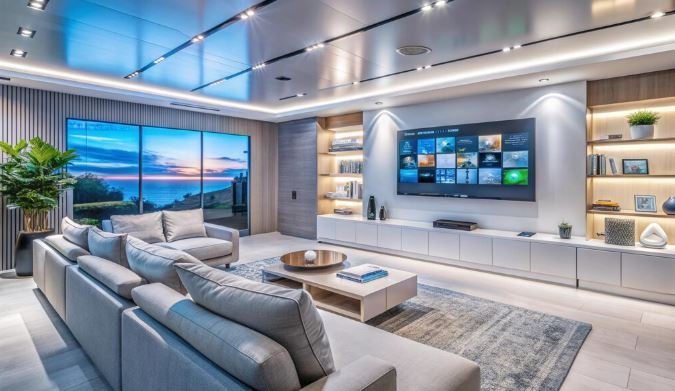
Modern interior design has shifted toward combining aesthetics with practicality, where every piece of furniture serves both a functional and visual purpose. One of the most important elements in living room design is the system used to organize media devices, décor, and storage items in a structured yet stylish way. This is where entertainment centers play a central role, offering a unified solution for televisions, gaming systems, speakers, books, and decorative items while maintaining a clean and organized appearance. Instead of scattered furniture pieces, these units bring everything together into one cohesive structure that enhances both usability and visual appeal. As homes continue to evolve into multifunctional spaces, the demand for well-designed media storage solutions has increased significantly, making this category of furniture an essential part of modern living environments.
Evolution of Media Storage Furniture
The concept of media furniture has changed dramatically over time. In earlier decades, television sets and audio systems were placed on simple stands or separate cabinets without much attention to design integration. As technology advanced and living rooms became central entertainment hubs, the need for more organized and visually appealing solutions grew. This led to the development of integrated furniture systems designed specifically to accommodate multiple electronic devices and accessories.
Over time, entertainment centers evolved from bulky wooden structures into sleek, modular, and customizable designs that blend seamlessly with modern interiors. Today, they are not just storage units but design statements that reflect personal style while improving functionality.
Importance of Organization in Living Spaces
A well-organized living space contributes significantly to comfort, relaxation, and overall home efficiency. Cluttered environments can create visual stress and reduce the sense of comfort in a room, especially when multiple electronic devices and accessories are involved. By centralizing storage and display functions, furniture systems designed for media organization help maintain order and cleanliness.
Entertainment centers allow homeowners to keep cables, devices, and accessories neatly arranged while ensuring easy access when needed. This organization improves both the functionality and appearance of a room, making it more inviting and enjoyable for daily use or social gatherings.
Design Styles and Aesthetic Appeal
Modern furniture design offers a wide variety of styles to suit different interior preferences. Some designs focus on minimalism, featuring clean lines, neutral colors, and simple structures that blend seamlessly into contemporary spaces. Others emphasize traditional craftsmanship with rich wood textures and detailed finishes that create a warm and classic atmosphere.
There are also industrial-inspired designs that incorporate metal accents and raw materials for a bold, urban look. Regardless of style, entertainment centers are designed to complement the overall interior theme while providing practical storage solutions. The ability to choose from multiple styles allows homeowners to personalize their living spaces according to taste and functionality needs.
Functional Features and Storage Solutions
Beyond aesthetics, functionality is a key aspect of modern media furniture. These systems are designed to accommodate televisions of various sizes, along with gaming consoles, sound systems, streaming devices, and decorative elements. Built-in shelving, cabinets, and drawers provide organized storage for accessories, remote controls, and media collections.
Cable management systems are often included to reduce clutter and improve safety by keeping wires hidden and organized. The thoughtful design of entertainment centers ensures that every component has a designated space, creating a streamlined and efficient setup that enhances the overall user experience.
Role in Modern Technology Integration
As technology continues to advance, living room furniture must adapt to accommodate new devices and systems. Smart televisions, wireless speakers, gaming consoles, and streaming devices require structured placement and proper ventilation. Modern furniture designs are created with these needs in mind, offering adjustable shelving, ventilation features, and integrated charging solutions.
This allows users to seamlessly incorporate technology into their living spaces without compromising design or functionality. Entertainment centers have become essential in supporting this technological integration, ensuring that devices are both accessible and properly organized within the home environment.
Space Optimization in Different Room Sizes
One of the most valuable aspects of this furniture category is its ability to optimize space efficiently. In smaller living areas, compact designs provide essential storage and display functions without overwhelming the room. Wall-mounted or corner units are often used to maximize floor space while maintaining functionality.
In larger spaces, expansive modular systems can be used to create full media walls that combine storage, display, and decorative elements. This flexibility allows entertainment centers to adapt to different room sizes and layouts, making them suitable for a wide range of interior designs and living arrangements.
Customization and Personalization Options
Modern furniture design emphasizes customization, allowing homeowners to tailor their units according to specific needs and preferences. Adjustable shelves, interchangeable panels, and modular components provide flexibility in design and functionality.
This enables users to create configurations that suit their storage requirements and aesthetic preferences. Color options, material choices, and layout variations further enhance personalization. The adaptability of entertainment centers ensures that they can evolve with changing lifestyles and technological upgrades, making them a long-term investment in home organization and design.
Material Selection and Durability
The choice of materials plays a crucial role in determining the durability and appearance of media furniture. Common materials include solid wood, engineered wood, metal, glass, and composite materials. Solid wood offers a classic and durable option with natural beauty, while engineered wood provides affordability and versatility.
Metal and glass elements are often used in modern designs to create a sleek and contemporary look. High-quality finishes ensure resistance to scratches, moisture, and wear over time. Well-constructed entertainment centers are designed to withstand daily use while maintaining their visual appeal and structural integrity.
Impact on Interior Design Harmony
Furniture plays a significant role in creating harmony within interior spaces. A well-designed media unit can serve as a focal point in a room, tying together different design elements such as furniture, lighting, and décor. It helps balance visual proportions and creates a sense of cohesion within the space.
By organizing electronic devices and decorative items in a structured manner, entertainment centers contribute to a more balanced and visually appealing environment. This integration of form and function enhances the overall aesthetic value of the room.
Maintenance and Practical Care
Proper maintenance is essential to ensure long-lasting performance and appearance. Regular dusting, gentle cleaning, and proper handling of electronic devices help preserve both the furniture and its contents. Avoiding excessive weight on shelves and ensuring proper ventilation for electronic devices also contributes to durability.
Cable management systems should be checked periodically to maintain organization and safety. With proper care, entertainment centers can maintain their functionality and appearance for many years, making them a reliable component of home interiors.
Role in Social and Family Interaction
Living rooms are often central gathering spaces where families and guests come together for entertainment and social interaction. A well-organized media setup enhances this experience by providing easy access to entertainment systems such as televisions, gaming consoles, and audio systems.
This creates a comfortable environment for watching movies, playing games, or enjoying music together. The presence of well-designed entertainment centers helps create a welcoming atmosphere that supports shared experiences and social bonding within the home.
Future Trends in Media Furniture Design
As interior design continues to evolve, future trends in media furniture are expected to focus on greater integration with smart home technology, sustainable materials, and minimalist aesthetics. Wireless technology and hidden storage solutions are becoming increasingly popular, reducing visible clutter and enhancing clean design principles.
Eco-friendly materials are also gaining importance as sustainability becomes a priority in furniture manufacturing. The evolution of entertainment centers will continue to reflect these trends, offering more intelligent, efficient, and environmentally conscious design solutions.
Challenges in Selection and Setup
Choosing the right media furniture can be challenging due to the wide variety of styles, sizes, and features available. Homeowners must consider factors such as room size, device compatibility, storage needs, and design preferences. Improper selection can lead to space inefficiency or lack of functionality.
Installation and setup also require careful planning to ensure proper cable management and device placement. Understanding these challenges helps in selecting the most suitable entertainment centers for specific living environments.
Conclusion: Blending Style with Functionality
Modern living spaces require furniture that balances aesthetics with practical use, and media storage systems fulfill this need effectively. By combining organization, design, and technology support, these units enhance both the functionality and appearance of a room.
They help create structured, clutter-free environments that support modern lifestyles while reflecting personal style. The continued evolution of entertainment centers demonstrates their importance in contemporary interior design, offering long-term value as both functional storage solutions and stylish focal points in modern homes.