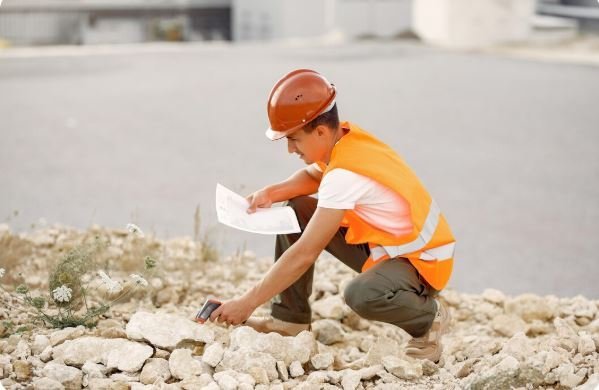
Understanding the Importance of Proper Ground Preparation
Every construction project begins with the land itself. No matter how advanced the design or how strong the materials are, a structure is only as stable as the ground it stands on. Proper ground preparation ensures that the soil can support the weight of the building, withstand environmental changes, and provide long-term stability. Without this foundation, even well-designed structures can face serious issues such as cracking, sinking, or uneven settling.
Ground preparation is not a simple task. It involves careful planning, technical evaluation, and the use of specialized equipment to shape and strengthen the land. Engineers and construction professionals must analyze soil conditions, drainage patterns, and site elevation before any building work begins. These early steps are essential for preventing future structural problems and ensuring safety.
A well-prepared site reduces construction risks and improves efficiency. It also ensures that buildings remain stable over time, even under challenging environmental conditions.
Initial Site Evaluation and Soil Analysis
Before any physical work begins, the land must be thoroughly evaluated. This includes examining soil composition, density, moisture levels, and load-bearing capacity. Different types of soil behave differently under pressure, and understanding these differences is essential for determining the correct construction approach.
Clay soil, for example, expands and contracts with moisture changes, while sandy soil drains quickly but may lack stability. Rocky soil provides strong support but may require more effort to excavate and level. Each condition requires a tailored approach to ensure proper preparation.
Drainage patterns are also analyzed during this stage. Water movement across the site can significantly affect foundation stability. If water is not properly managed, it can lead to erosion, weakening of the soil, and long-term structural damage.
This evaluation stage often determines the type of groundwork required, including excavation & grading processes that shape the land according to engineering specifications.
Clearing and Preparing the Construction Site
Once the site has been analyzed, the next step is clearing the land. This involves removing vegetation, rocks, debris, and any existing structures that may interfere with construction. Clearing ensures that the site is safe, accessible, and ready for further development.
Tree roots and underground obstacles must also be addressed, as they can affect foundation stability if left untreated. Removing these elements carefully prevents unnecessary disturbance to the surrounding soil structure.
After clearing, the land must be organized and prepared for shaping. This stage ensures that construction can proceed without obstruction and that the ground is ready for precise leveling and adjustment.
The Role of Excavation in Ground Preparation
Excavation is a critical step in preparing land for construction. It involves removing soil, rock, or other materials to create space for foundations, basements, or utility installations. This process must be performed with precision to ensure the correct depth and alignment.
Improper excavation can lead to structural instability or uneven foundations. Over-digging may weaken surrounding soil, while under-digging can compromise the building’s support system. That is why careful measurement and planning are essential.
Modern machinery such as excavators and loaders is used to carry out this process efficiently. Skilled operators ensure that the excavation is done according to design specifications, maintaining both accuracy and safety.
In many construction projects, excavation & grading work is performed together to create a balanced and stable surface for building.
Importance of Grading for Structural Stability
Grading is the process of leveling and shaping the land after excavation. It ensures that the ground has the correct slope and elevation for construction and drainage purposes. Proper grading prevents water accumulation, which can lead to erosion and foundation damage.
A well-graded site directs water away from the structure, reducing the risk of moisture-related issues. This is especially important for long-term durability, as water is one of the most common causes of structural deterioration.
Grading also improves accessibility for construction equipment and helps ensure that building materials can be efficiently transported across the site. It creates a smooth and stable working surface, which is essential for accurate construction.
Equipment Used in Ground Preparation
Modern construction relies heavily on advanced machinery to prepare land efficiently. Excavators, bulldozers, graders, and compactors are commonly used during different stages of site development.
Excavators handle digging and material removal, while bulldozers clear and push large volumes of soil. Graders are used for fine leveling, ensuring precise slopes and smooth surfaces. Compactors increase soil density, improving its ability to support heavy structures.
Technology has also improved accuracy in construction. GPS-guided machinery allows operators to follow exact design plans, reducing human error and improving efficiency during excavation & grading operations.
Safety Considerations in Groundwork Activities
Ground preparation involves heavy machinery and large-scale earth movement, making safety a top priority. Proper training and strict safety protocols are essential to prevent accidents and ensure smooth operations.
Operators must be skilled in handling equipment and understanding site conditions. Clear communication between team members helps avoid mistakes and ensures coordinated work.
Unstable soil, underground utilities, and hidden obstacles can pose risks during excavation and grading. Careful planning and site inspection help minimize these dangers before work begins.
Safety equipment such as helmets, protective clothing, and warning systems further ensures that operations are carried out securely.
Environmental Responsibility in Site Development
Construction activities can impact the environment if not managed properly. Soil disruption, vegetation removal, and water flow changes must be carefully controlled to minimize ecological damage.
Sustainable practices include erosion control, proper waste disposal, and careful management of stormwater runoff. Preserving surrounding natural areas whenever possible helps maintain environmental balance.
Reusing excavated soil and minimizing unnecessary land disturbance also contribute to environmentally responsible construction practices.
Responsible excavation & grading ensures that development is carried out without causing long-term harm to the surrounding environment.
Cost Factors in Ground Preparation
The cost of preparing land for construction depends on several factors, including soil type, site size, terrain complexity, and required equipment. Difficult terrain or unstable soil conditions may increase the time and resources needed for preparation.
Although site preparation represents an initial investment, it plays a crucial role in preventing future structural problems. Poorly prepared ground can lead to expensive repairs, foundation issues, and long-term maintenance costs.
Investing in proper ground preparation ensures better structural performance and reduces unexpected expenses over time.
Long-Term Benefits of Proper Site Preparation
Properly prepared ground provides long-term stability and durability for any structure. It ensures that foundations remain strong, even under environmental stress such as heavy rainfall, temperature changes, or soil movement.
Good preparation also improves drainage efficiency, preventing water from accumulating around the structure. This reduces the risk of erosion and moisture damage.
Additionally, well-executed excavation & grading improves construction efficiency, allowing projects to progress smoothly without delays caused by ground instability.
Over time, these benefits contribute to lower maintenance costs and increased structural lifespan.
Conclusion
Ground preparation is one of the most important stages in any construction project. It determines the strength, safety, and durability of the entire structure. From soil analysis and site clearing to excavation and grading, every step plays a vital role in ensuring long-term success.
Without proper preparation, even the strongest buildings can face serious structural issues. However, with careful planning and professional execution, land can be transformed into a stable foundation for safe and durable construction.
Ultimately, investing in proper excavation & grading and following structured site preparation methods ensures that every construction project begins on solid ground and remains stable for years to come.