Indoor air quality has become one of the most important yet often overlooked aspects of modern living. As people spend more time inside homes, offices, and commercial spaces, the quality of the air they breathe directly influences health, productivity, and overall well-being. Among the many technologies developed to address airborne pollutants, UV-based purification has gained significant attention for its ability to neutralize harmful microorganisms and improve air hygiene. This article explores how this technology works, why it matters, and how it is shaping the future of indoor air management.
The Science Behind UV-Based Air Cleaning
Airborne contaminants include dust particles, allergens, bacteria, viruses, mold spores, and volatile organic compounds. While traditional filters are effective at trapping larger particles, microscopic pathogens often pass through mechanical filtration systems. This is where ultraviolet light technology plays a critical role in enhancing air purification efficiency.
At its core, ultraviolet germicidal irradiation works by exposing microorganisms to a specific wavelength of UV-C light. This wavelength damages the DNA or RNA of pathogens, preventing them from reproducing and rendering them harmless. The process does not rely on chemicals, which makes it a cleaner and more environmentally friendly solution compared to some traditional disinfecting methods.
In advanced systems, air is drawn through a chamber where it is exposed to UV-C light before being released back into the environment. When integrated with filtration systems such as HEPA filters, the result is a multi-layered approach to air cleaning that significantly reduces airborne biological threats.
How Advanced Air Disinfection Systems Function in Practice
The operation of modern air disinfection systems is based on a combination of airflow engineering and ultraviolet radiation exposure. Air is continuously circulated through the device using fans or HVAC integration. As it passes through internal chambers, microorganisms are exposed to UV-C light, which disrupts their cellular structures.
In many modern installations, UV air purification systems are incorporated directly into heating, ventilation, and air conditioning units. This allows continuous treatment of air throughout an entire building rather than limiting purification to a single room. The continuous nature of this process is particularly effective in environments where air quality is constantly challenged by human activity, such as offices, hospitals, schools, and manufacturing facilities.
Another key advantage is that these systems operate silently and do not produce ozone when properly designed. This makes them suitable for long-term use in occupied spaces without causing discomfort or secondary pollution concerns.
Health and Environmental Benefits of UV-Based Purification
One of the most significant advantages of ultraviolet air treatment is its ability to neutralize a wide range of pathogens without introducing chemical agents into the environment. This makes it especially valuable for individuals with respiratory sensitivities, allergies, or compromised immune systems.
By continuously reducing microbial load in the air, these systems help lower the risk of airborne disease transmission. This is particularly relevant in densely populated indoor environments where viruses and bacteria can spread rapidly through shared air circulation.
In addition to health benefits, UV air purification systems also contribute to improved HVAC efficiency. When installed within air handling units, they help reduce microbial buildup on cooling coils and duct surfaces. This reduces maintenance requirements and improves energy efficiency over time, as clean components operate more effectively than contaminated ones.
Furthermore, because the technology relies on light rather than chemical disinfectants, it reduces dependency on consumable cleaning agents. This makes it a more sustainable long-term solution for maintaining indoor air hygiene.
Applications Across Different Indoor Environments
The versatility of ultraviolet-based purification technology allows it to be used in a wide range of settings. In healthcare environments, it is often used to reduce hospital-acquired infections by continuously disinfecting air circulating through patient rooms and operating theaters. In such environments, controlling airborne pathogens is a critical component of infection prevention strategies.
In commercial buildings, UV air purification systems are commonly installed in centralized HVAC systems to improve air quality for employees and visitors. Cleaner air has been associated with improved cognitive performance and reduced absenteeism, making it a valuable investment for workplace productivity.
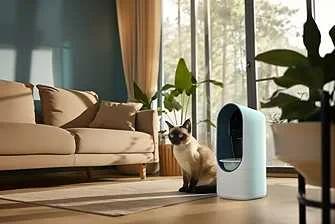
Residential applications are also growing in popularity as awareness of indoor air quality increases. Homeowners are increasingly integrating these systems into their existing ventilation setups to reduce exposure to allergens, pet dander, and airborne contaminants.
Industrial environments also benefit from UV-based purification, particularly in facilities where air quality can be affected by manufacturing processes, dust, or microbial growth in ventilation systems.
Maintenance, Efficiency, and Long-Term Performance
Like all air treatment technologies, ultraviolet systems require periodic maintenance to ensure optimal performance. The UV lamps used in these systems gradually lose intensity over time and typically need replacement after a specific operational lifespan. Regular inspection ensures that the system continues to deliver effective microbial inactivation.
One of the advantages of UV air purification systems is that they generally require less frequent maintenance compared to mechanical filtration systems that become clogged with particles. While filters still need replacement or cleaning, the UV component primarily requires lamp replacement and occasional cleaning of reflective surfaces.
Energy consumption is another consideration. UV systems are generally energy-efficient, especially when integrated into larger HVAC systems that already circulate air throughout a building. The added energy demand is relatively low compared to the benefits they provide in terms of air quality improvement.
Proper installation is also critical. The effectiveness of UV-based purification depends on correct exposure time, airflow rate, and system design. Poorly designed installations may reduce efficiency, which is why professional assessment is often recommended for large-scale applications.
Limitations and Considerations
Despite their advantages, ultraviolet air purification technologies are not a standalone solution for all air quality issues. They are highly effective against microorganisms but do not remove particulate matter such as dust or smoke unless combined with filtration systems.
Another important consideration is that UV-C light must be carefully contained within the system to prevent direct exposure to humans, as prolonged exposure can be harmful to skin and eyes. This is why most systems are designed with enclosed chambers or integrated within ductwork.
Additionally, while UV systems are effective at neutralizing pathogens, their performance depends on proper airflow design. If air passes too quickly through the UV chamber, exposure time may be insufficient for full disinfection.
These limitations highlight the importance of using a multi-layered approach to air purification rather than relying on a single technology.
The Future of Indoor Air Quality Management
As awareness of airborne health risks continues to grow, demand for advanced purification technologies is expected to increase. Research is ongoing into improving UV efficiency, reducing energy consumption, and combining ultraviolet systems with other emerging technologies such as photocatalytic oxidation and smart air monitoring.
In the future, UV air purification systems are likely to become more intelligent, integrating with sensors that monitor air quality in real time and adjust output accordingly. This would allow for dynamic purification based on actual environmental conditions rather than fixed operational settings.
There is also growing interest in hybrid systems that combine UV-C light with advanced filtration and ionization techniques. These integrated approaches aim to address a broader spectrum of pollutants, from biological contaminants to chemical pollutants and fine particulates.
As buildings become more energy-efficient and sealed for thermal performance, indoor air quality management will become even more critical. Technologies like UV-based purification will play a central role in ensuring that energy efficiency does not come at the expense of healthy indoor environments.
Conclusion
Indoor air quality is no longer a secondary consideration but a fundamental aspect of healthy living and working environments. With increasing awareness of airborne pathogens and pollutants, advanced solutions are becoming essential rather than optional. Among these innovations, UV air purification systems stand out for their ability to neutralize harmful microorganisms effectively without relying on chemical treatments.
When integrated properly into ventilation systems, UV-based technology enhances overall air hygiene, supports health outcomes, and improves the efficiency of existing HVAC infrastructure. While not a complete solution on its own, it forms a powerful component of a broader air quality strategy.
As technology continues to evolve, these systems will likely become more efficient, intelligent, and widely adopted across residential, commercial, and industrial spaces, shaping the future of how we manage and experience indoor air.