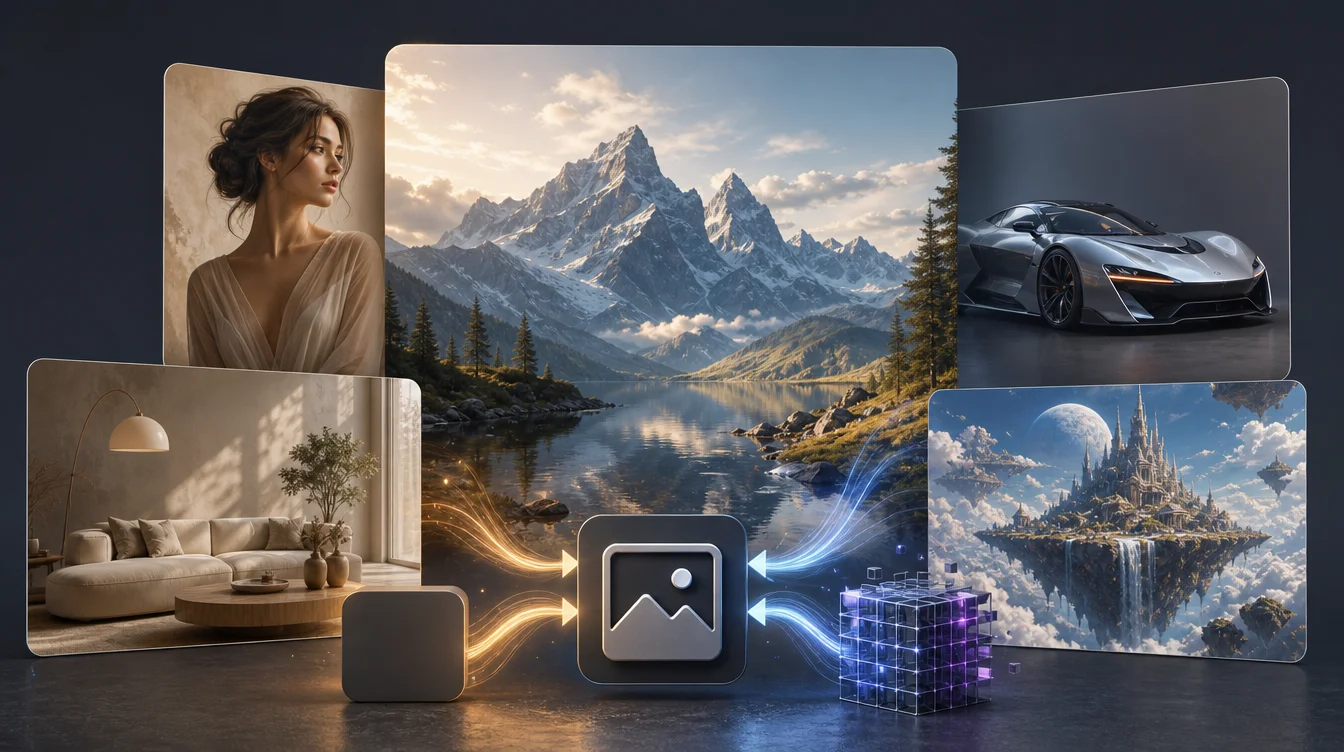
The image-to-image generation landscape in 2026 has evolved into a highly specialized segment of AI-driven visual production, reshaping how designers, marketers, and creative teams handle visual transformation tasks. Rather than relying on traditional manual editing workflows, modern platforms now enable users to upload existing images and reimagine them through advanced diffusion models, structural mapping, and context-aware rendering systems. This shift has significantly reduced production time while increasing creative flexibility, making it possible to generate commercial-grade visuals, concept art, and marketing assets within minutes. However, not all tools deliver the same level of precision, workflow efficiency, or stylistic control. Some systems prioritize accessibility and conversational editing, while others focus on enterprise-grade security or deep technical customization. This analysis evaluates five leading image-to-image generator platforms—Pollo AI, ChatGPT Image 2, Nano Banana 2, Adobe Firefly, and Stable Diffusion—based on their rendering quality, usability, and practical application across modern creative industries.
1. Pollo AI
Pollo AI operates as a comprehensive all-in-one AI visual production platform that combines image generation, image-to-image transformation, video creation, and advanced editing tools into a single unified workflow. Positioned as an enterprise-grade creative infrastructure, this image to image generator is built around a multi-model ecosystem that includes leading AI systems such as GPT Image 2, Nano Banana 2, Stable Diffusion, FLUX, Seedream, GPT-4o, Flux Kontext, Qwen Image, and Wan AI. Rather than relying on a single rendering engine, Pollo AI allows users to switch between models depending on creative requirements, enabling outputs that range from highly realistic commercial photography to stylized illustrations, cinematic compositions, anime transformations, and branded marketing visuals. Its core functionality extends beyond simple image editing, offering full creative pipelines such as Image to Image AI, Text to Image AI, Video to Video AI, and Reference to Video workflows, allowing users to transform static assets into dynamic multimedia content. In addition, Pollo AI integrates over 2,000 LoRAs tailored for diverse styles, including ecommerce product scenes, character design, emoji aesthetics, fantasy visuals, and social media content, making it highly adaptable for both professional and personal use cases.
Why It Stands Out
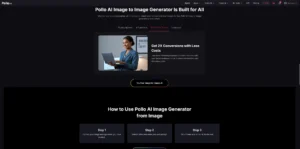
Pollo AI stands out because it functions as a deeply integrated creative ecosystem rather than a standalone image to image generator, unifying generation, editing, animation, and video production within one platform. Its strongest advantage lies in workflow consolidation combined with multi-model flexibility, allowing users to rapidly switch between advanced engines like the GPT Image 2 model and Nano Banana 2 without leaving the workspace. This makes it especially powerful for marketing teams, agencies, and content studios producing high-volume assets such as UGC video ads, Facebook campaigns, testimonial videos, product showcases, YouTube outro videos, and social media creatives. The platform also supports specialized applications like anime video generation, AI animation, and reference-based video consistency, enabling consistent character and brand identity across multiple formats. With additional tools such as background removal, image enhancement, object replacement, and AI video editing, Pollo AI significantly reduces production complexity while increasing creative output speed. For industries that require scalable visual production with consistent quality, Pollo AI delivers a production-ready infrastructure that bridges image and video creation seamlessly.
2. ChatGPT Image 2
ChatGPT Image 2 is a conversationally driven image-to-image generator that transforms traditional prompt engineering into a natural dialogue-based creative process. Built on advanced diffusion and multimodal reasoning frameworks, it allows users to upload an image and refine it iteratively through plain language instructions rather than structured syntax. The system interprets user intent contextually, converting conversational input into detailed rendering commands that modify lighting, composition, objects, or artistic style. Its architecture emphasizes memory retention across multiple editing steps, ensuring consistency throughout iterative modifications. Users can progressively adjust a visual output by issuing follow-up prompts without restarting the generation process. This makes it particularly effective for conceptual development, where ideas evolve gradually rather than being fully defined from the beginning. The model also excels in maintaining semantic alignment between textual instructions and visual output, ensuring that even complex transformations remain coherent with the original image structure.
Why It Stands Out
ChatGPT Image 2 stands out because of its iterative conversational workflow, which significantly lowers the barrier to entry for non-technical users while maintaining strong creative precision. It is especially useful for designers, writers, and creative directors who need to explore multiple visual directions quickly without rewriting complex prompts. The ability to refine outputs step-by-step makes it ideal for storyboard development, advertising concept drafts, and narrative visualization. Additionally, its strong instruction-following capability ensures that multi-element edits—such as object placement, character changes, or text integration—are executed with high fidelity. This makes it a reliable tool for projects that require both creativity and control, particularly in environments where rapid ideation and revision cycles are essential.
3. Nano Banana 2
Nano Banana 2 is a highly stylized image-to-image generator designed for expressive, visually bold, and trend-driven content creation. It prioritizes artistic interpretation over strict photorealism, making it ideal for social media visuals, branding assets, and experimental design work. The model is engineered to enhance color dynamics, composition energy, and aesthetic appeal, allowing it to transform ordinary images into visually striking creative outputs. It analyzes input images through a stylistic rendering pipeline that emphasizes texture enhancement, color grading, and atmospheric composition adjustments. This enables the generation of visuals that retain structural similarity to the original image while introducing highly stylized reinterpretations. The system is particularly responsive to descriptive prompts involving fashion, cyberpunk themes, surreal environments, and editorial aesthetics. Its ability to maintain spatial coherence while applying strong artistic filters makes it a powerful tool for modern visual storytelling and digital branding workflows.
Why It Stands Out
Nano Banana 2 stands out due to its strong emphasis on creative expression and trend alignment, making it a preferred choice for content creators and digital marketers targeting visually competitive platforms. It excels in environments where attention-grabbing aesthetics are more important than strict realism, such as Instagram campaigns, influencer branding, and digital advertisements. The system allows users to lock in consistent stylistic themes across multiple outputs, ensuring brand coherence across visual assets. Its rendering engine is particularly effective at translating abstract creative concepts into cohesive visual narratives, making it valuable for experimental design exploration. For teams focused on building distinctive visual identities or viral content, Nano Banana 2 provides a highly flexible and creatively liberating production tool.
4. Adobe Firefly
Adobe Firefly is a professional-grade image-to-image generator designed for enterprise use, emphasizing legal safety, production reliability, and integration with industry-standard creative tools. Unlike many generative models trained on uncontrolled datasets, Firefly relies on licensed and curated content sources, ensuring commercial usage safety and reducing intellectual property risks. The system is deeply integrated into Adobe’s Creative Cloud ecosystem, allowing users to perform image transformations directly within applications like Photoshop and Illustrator. Its generative capabilities include contextual object insertion, texture replacement, and scene extension, all guided by natural language prompts. The engine also performs advanced environmental analysis, including lighting consistency, shadow alignment, and perspective correction, to ensure that generated modifications blend seamlessly with the original image. This makes it particularly suitable for professional designers working on high-stakes commercial projects that require both precision and compliance.
Why It Stands Out
Adobe Firefly stands out because of its unmatched reliability in commercial environments and seamless integration into existing professional workflows. It is especially valuable for large creative teams and corporations that require legally safe, production-ready assets without compromising on quality or efficiency. The system excels in tasks such as product image editing, advertising asset creation, and high-resolution compositing, where consistency and accuracy are critical. Its native integration with Photoshop enables designers to apply generative edits directly within familiar environments, significantly improving workflow efficiency. Additionally, its ability to preserve photographic realism ensures minimal post-processing, reducing production time in professional pipelines. For enterprises prioritizing compliance, scalability, and creative precision, Adobe Firefly remains a foundational tool in modern digital production.
5. Stable Diffusion
Stable Diffusion is an open-source image-to-image generator that provides unparalleled customization and technical control over the generative process. It is widely adopted by developers, technical artists, and research-driven creative professionals who require deep configurability. The system can be deployed locally or in cloud environments, offering complete flexibility in production setup. Its architecture supports a vast ecosystem of community-developed extensions, including ControlNet and IP-Adapter, which enhance structural control, pose replication, and style transfer accuracy. Users can manipulate parameters such as denoising strength, guidance scale, and latent space sampling to achieve highly specific outputs. This makes it capable of transforming rough sketches into detailed illustrations, architectural renders, or concept designs with remarkable precision. However, its complexity requires technical expertise and familiarity with machine learning workflows, making it more suitable for advanced users rather than beginners.
Why It Stands Out
Stable Diffusion stands out due to its unmatched flexibility, open-source nature, and extensive customization potential. It is particularly valuable for studios and developers who want full control over model behavior and output structure. The platform excels in advanced use cases such as procedural generation, iterative design systems, and highly controlled artistic workflows. Its inpainting and outpainting capabilities allow users to modify or extend images with pixel-level precision, making it ideal for professional compositing and concept development. Additionally, its large ecosystem of community models ensures continuous innovation and specialization across different visual styles. For users who prioritize technical mastery and creative control over simplicity, Stable Diffusion remains the most powerful and adaptable image-to-image generation framework available.
Conclusion
The evolution of image-to-image generation tools in 2026 reflects a clear divergence in creative priorities across the industry. Platforms like Pollo AI emphasize workflow consolidation and multi-model efficiency, while ChatGPT Image 2 focuses on conversational accessibility and iterative refinement. Nano Banana 2 prioritizes artistic expression and trend-driven aesthetics, whereas Adobe Firefly delivers enterprise-grade security and professional integration. Stable Diffusion, in contrast, remains the most technically flexible and customizable solution for advanced users. Together, these systems represent a broad spectrum of creative possibilities, from automated production pipelines to deeply controlled generative environments. Selecting the right platform ultimately depends on balancing usability, control, scalability, and artistic intent within modern visual production workflows.