Technology has become an inseparable part of our daily lives, transforming how we work, communicate, and entertain ourselves. From artificial intelligence and robotics to renewable energy solutions and wearable devices, the pace of innovation continues to accelerate. For anyone curious about the direction of modern technology, understanding the latest advancements and staying updated with the latest news is essential. This article explores the current and emerging trends shaping the future of technology.
The Rise of Artificial Intelligence and Machine Learning
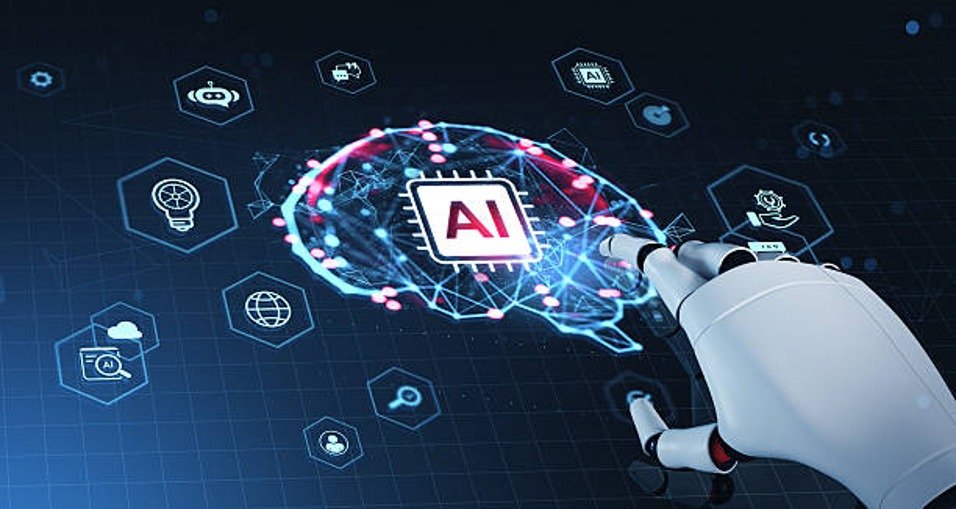
Artificial intelligence (AI) is no longer just a concept from science fiction; it is actively transforming industries worldwide. Machine learning, a subset of AI, allows systems to learn from data and improve performance without human intervention. In healthcare, AI is being used for early diagnosis of diseases, personalized treatment plans, and predictive analysis of patient outcomes. In business, AI-powered analytics help companies make informed decisions, optimize supply chains, and enhance customer experiences.
Generative AI, a recent breakthrough, is changing creative industries. From producing realistic images and videos to composing music and writing content, AI is enabling creativity at an unprecedented scale. Businesses are investing heavily in AI research to gain competitive advantages, while consumers experience more personalized and intelligent services.
Robotics and Automation Revolution
Robotics and automation continue to reshape manufacturing, logistics, and even everyday life. Advanced robots are performing tasks that were once considered too complex or dangerous for humans. For instance, autonomous robots are being deployed in warehouses for sorting and packing, drastically improving efficiency. In healthcare, surgical robots assist doctors with precision operations, reducing recovery times and improving outcomes.
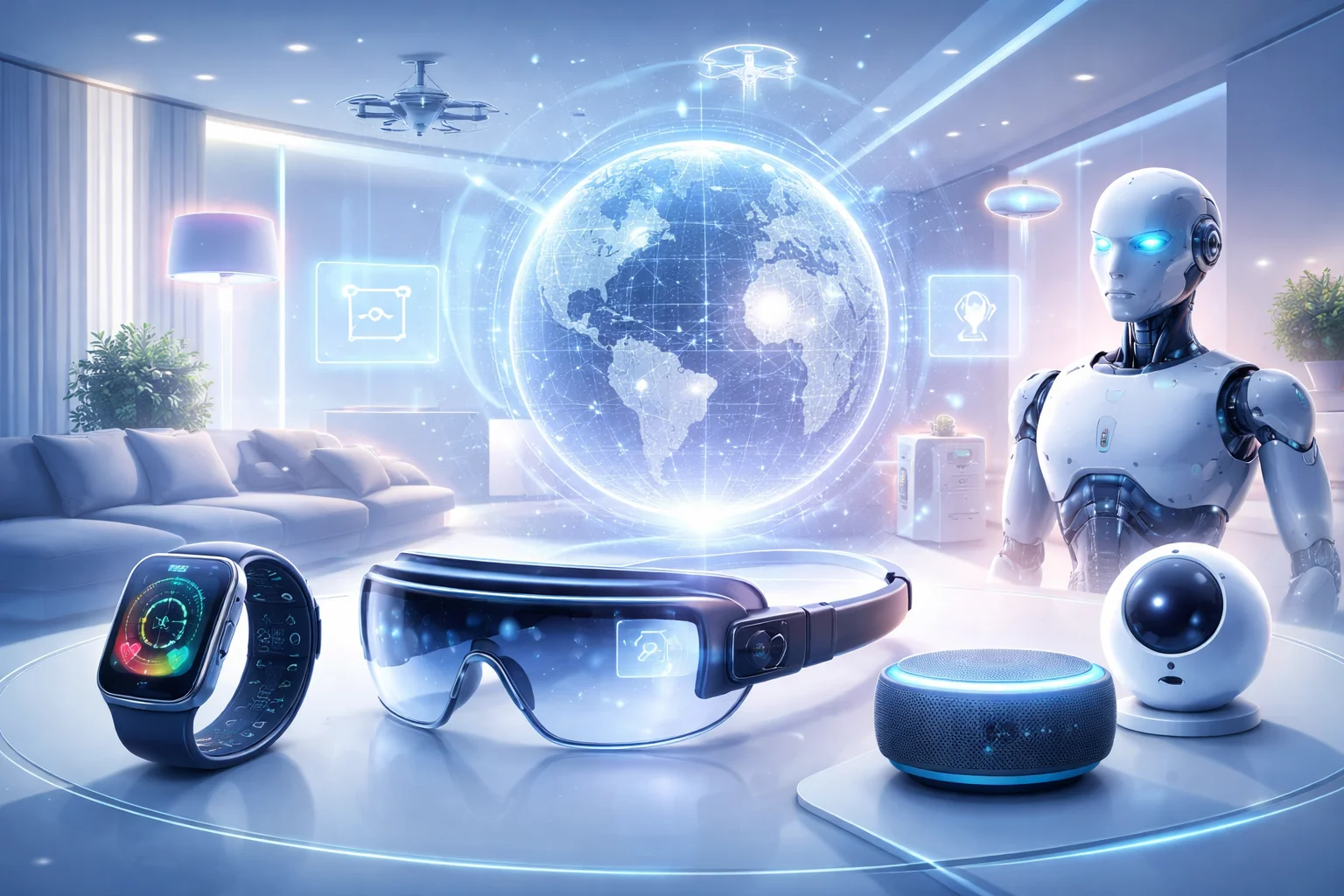
In the consumer space, home automation is gaining popularity. Smart devices, such as voice-controlled assistants, robotic vacuum cleaners, and connected appliances, make everyday tasks easier. The integration of AI with robotics promises even more advanced solutions, such as autonomous delivery vehicles and drones capable of performing complex tasks with minimal human supervision.
The Expansion of 5G and Connectivity
The rollout of 5G networks is a major milestone in global technology infrastructure. Unlike its predecessors, 5G offers ultra-fast speeds, lower latency, and the ability to connect millions of devices simultaneously. This has significant implications for industries such as autonomous vehicles, smart cities, and remote healthcare. Faster and more reliable connectivity allows real-time communication between machines, paving the way for innovations that were previously limited by network constraints.
With the expansion of 5G, internet-of-things (IoT) devices are becoming smarter and more interconnected. Smart homes, wearable health trackers, and connected vehicles are only the beginning. As 5G continues to spread globally, we can expect even more sophisticated applications that rely on high-speed, low-latency connectivity.
Sustainable Technology and Green Innovations
Environmental concerns are driving the development of sustainable technologies. Renewable energy sources, such as solar, wind, and hydroelectric power, are becoming more efficient and cost-effective. Innovations in battery storage and energy management systems ensure that clean energy can be stored and used when needed, reducing reliance on fossil fuels.
Electric vehicles (EVs) are another critical area of innovation. With major automakers launching new EV models and governments promoting green policies, EV adoption is growing rapidly. Advances in charging infrastructure, battery technology, and vehicle design are making EVs more practical for consumers, contributing to a cleaner and more sustainable future.
Wearable Technology and Health Monitoring
Wearable devices are no longer limited to simple fitness trackers. Modern wearables monitor heart rate, sleep patterns, blood oxygen levels, and even stress indicators. Integration with smartphones and AI allows users to gain actionable insights into their health and wellness. These devices are particularly valuable in preventive healthcare, allowing individuals to detect potential issues early and make informed lifestyle choices.
In addition, medical-grade wearable devices are being developed to monitor chronic conditions like diabetes, hypertension, and cardiac issues. Continuous health monitoring and data collection can improve patient outcomes, reduce hospital visits, and enhance overall quality of life.
Virtual Reality, Augmented Reality, and the Metaverse
Virtual reality (VR) and augmented reality (AR) are redefining the way we interact with digital content. VR creates immersive experiences for gaming, education, and training, while AR overlays digital information onto the real world, enhancing navigation, retail experiences, and industrial applications. The concept of the metaverse—a virtual space where people can interact, work, and socialize—is gaining momentum, offering new opportunities for entertainment, collaboration, and commerce.
Businesses are exploring VR and AR for remote training, product visualization, and customer engagement. As these technologies become more affordable and accessible, they are likely to become a standard part of digital interaction.
Cybersecurity and Data Privacy
As technology evolves, cybersecurity and data privacy have become critical concerns. The growing number of connected devices and online services increases the potential for cyber threats. Companies are investing in advanced cybersecurity solutions, including AI-driven threat detection, multi-factor authentication, and blockchain-based security measures. Consumers are becoming more aware of the importance of protecting personal data, leading to greater demand for privacy-focused solutions.
Cybersecurity innovations are not limited to large enterprises; small businesses and individuals are adopting tools to secure their digital footprint. As technology continues to advance, staying informed about cybersecurity trends is vital for both personal and professional safety.
Emerging Tech in Transportation
Transportation is experiencing rapid technological innovation. Electric and autonomous vehicles are revolutionizing mobility, promising reduced emissions and enhanced safety. Advanced sensors, AI algorithms, and vehicle-to-vehicle communication systems allow autonomous cars to navigate complex environments with minimal human intervention.
Public transportation is also benefiting from technology. Smart traffic management, real-time passenger information, and eco-friendly transit solutions are improving efficiency and convenience. Hyperloop systems and flying taxis are still in development but could redefine how people and goods move in the future.
Staying Updated with Tech News
With technology advancing at such a rapid pace, keeping up with the latest updates is crucial. Tech news provides insights into emerging trends, product launches, and industry shifts. Regularly following tech news helps individuals and businesses make informed decisions, identify opportunities, and stay competitive. Whether through online publications, newsletters, or social media, staying informed ensures that you are aware of innovations that can impact your personal or professional life.
Conclusion
The future of technology promises exciting innovations that will continue to transform how we live and work. Artificial intelligence, robotics, 5G connectivity, sustainable energy solutions, wearable health devices, and immersive digital experiences are just some of the areas driving this transformation. Staying informed about the latest tech news allows individuals and organizations to adapt, innovate, and leverage new opportunities effectively. As technology advances, the possibilities are virtually limitless, offering a glimpse into a smarter, more connected, and sustainable future.