Introduction to Commercial HVAC
Commercial HVAC systems are critical components of modern commercial buildings, including offices, hospitals, retail centers, schools, and industrial facilities. HVAC, which stands for heating, ventilation, and air conditioning, regulates indoor climate, ensuring a comfortable, safe, and productive environment for employees, customers, and occupants. Unlike residential systems, commercial HVAC systems are larger, more complex, and designed to handle higher capacities, multiple zones, and extended operational hours. These systems are essential not only for comfort but also for protecting equipment, maintaining air quality, and meeting regulatory requirements. Understanding commercial HVAC systems, their components, benefits, and maintenance requirements is crucial for business owners, facility managers, and engineers responsible for building operations.
Commercial HVAC systems consist of several integrated components that work together to control temperature, humidity, and air quality. The primary elements include heating units, such as boilers or furnaces, which provide warmth during colder months. Air conditioning units, including chillers, rooftop units, and packaged systems, regulate cooling in warmer months and maintain optimal indoor conditions. Ventilation systems circulate fresh air, remove pollutants, and maintain proper oxygen levels, often incorporating air filters, ductwork, and fans. Control systems, including thermostats and building management software, allow operators to monitor, adjust, and automate system performance. Additional components, such as humidifiers, dehumidifiers, and air purifiers, can be integrated to optimize comfort and indoor environmental quality.
Importance of Commercial HVAC Systems
Commercial HVAC systems play a crucial role in maintaining operational efficiency, occupant comfort, and health. Temperature regulation directly impacts productivity, as extreme heat or cold can reduce concentration and performance. Proper ventilation and air filtration improve indoor air quality, reducing exposure to allergens, pollutants, and airborne pathogens, which is particularly important in healthcare facilities, schools, and food-related businesses. HVAC systems also protect sensitive equipment from overheating or moisture damage, contributing to the longevity of electronic devices, servers, and machinery. Additionally, energy-efficient commercial HVAC systems help reduce operational costs, minimize environmental impact, and comply with building codes and sustainability standards.
Types of Commercial HVAC Systems
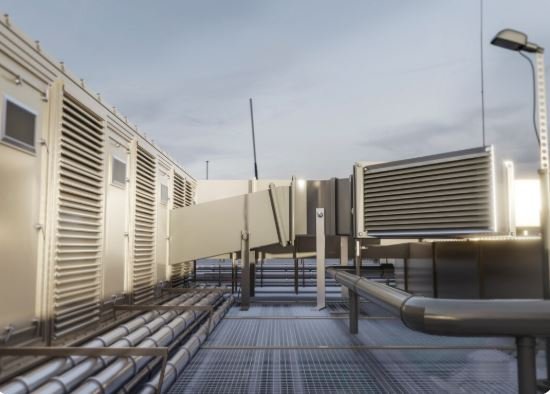
There are several types of commercial HVAC systems, each suitable for specific building layouts, capacity requirements, and operational goals. Rooftop units (RTUs) are commonly used in retail and office buildings, offering compact design and efficient installation on flat roofs. Chilled water systems are ideal for large facilities, circulating chilled water through air handlers to maintain cooling across multiple zones. Variable refrigerant flow (VRF) systems provide precise temperature control and energy efficiency, allowing multiple zones to operate independently. Packaged HVAC systems combine heating, cooling, and ventilation into a single unit, suitable for smaller commercial buildings. Selecting the right type of system requires careful analysis of building size, occupancy, energy efficiency goals, and budget.
Proper installation of commercial HVAC systems is critical for performance, reliability, and longevity. The process begins with a thorough assessment of the building, including space requirements, load calculations, and airflow design. HVAC contractors develop a detailed plan outlining the placement of units, ductwork, vents, and control systems. Installation involves precise assembly, electrical connections, refrigerant handling, and integration with building automation systems. Proper commissioning ensures that the system operates efficiently, maintains consistent temperatures, and meets all safety and regulatory standards. Hiring experienced commercial HVAC contractors ensures that installation is performed correctly, preventing common issues such as uneven airflow, leaks, or inefficient operation.
Maintenance and Servicing
Regular maintenance is essential to keep commercial HVAC systems operating efficiently and reliably. Preventive maintenance includes cleaning or replacing air filters, inspecting ductwork, checking refrigerant levels, lubricating moving parts, and calibrating control systems. Routine inspections help identify potential problems early, such as worn belts, damaged coils, or faulty sensors, reducing the risk of costly breakdowns. Seasonal servicing ensures that heating and cooling systems perform optimally during peak demand periods. A well-maintained HVAC system not only improves energy efficiency but also extends the lifespan of equipment, enhances indoor air quality, and ensures occupant comfort throughout the year.
Energy efficiency is a critical consideration in commercial HVAC design and operation. Modern systems incorporate high-efficiency components, variable speed compressors, and advanced controls to reduce energy consumption and operational costs. Energy recovery ventilators capture and reuse heat or cooling energy from exhaust air, minimizing waste and improving sustainability. Building automation systems allow real-time monitoring and optimization, adjusting airflow, temperature, and humidity based on occupancy and usage patterns. Energy-efficient commercial HVAC systems contribute to environmental sustainability, support green building certifications such as LEED, and help businesses reduce their carbon footprint.
Indoor Air Quality
Indoor air quality (IAQ) is a central focus of commercial HVAC systems, as it directly affects the health, comfort, and productivity of building occupants. Proper ventilation, filtration, and humidity control reduce exposure to dust, allergens, volatile organic compounds (VOCs), and airborne pathogens. Advanced air purification technologies, such as HEPA filters, ultraviolet germicidal irradiation, and electrostatic precipitators, can be integrated to enhance IAQ. Maintaining optimal humidity levels prevents mold growth, reduces static electricity, and promotes comfort. A well-designed commercial HVAC system ensures that indoor environments are safe, healthy, and conducive to high performance.
Commercial HVAC systems face several challenges due to their size, complexity, and operational demands. Inadequate design or improper installation can lead to uneven temperature distribution, insufficient airflow, or frequent equipment failures. Aging systems may experience reduced efficiency, higher energy costs, and increased maintenance requirements. Seasonal load variations can strain equipment, particularly during extreme weather conditions. Controlling energy usage while maintaining comfort can be complex in multi-zone buildings with varying occupancy levels. Addressing these challenges requires professional expertise, regular maintenance, and periodic system upgrades to ensure reliable and efficient operation.
Choosing a Commercial HVAC Contractor
Selecting a qualified commercial HVAC contractor is essential for ensuring successful system installation, maintenance, and repair. A reputable contractor offers expertise in system design, energy efficiency solutions, compliance with building codes, and adherence to safety standards. Evaluating contractors involves reviewing certifications, experience, references, and portfolio of completed projects. Transparent communication, detailed estimates, and ongoing support are crucial for maintaining system performance and addressing issues promptly. Partnering with a professional HVAC contractor ensures that commercial systems operate reliably, efficiently, and safely, providing long-term value to building owners and occupants.
Cost Considerations
The cost of commercial HVAC systems varies depending on the building size, system complexity, energy efficiency features, and installation requirements. While upfront investment can be significant, high-quality systems provide long-term savings through reduced energy consumption, lower maintenance costs, and extended equipment lifespan. Budget planning should include equipment, installation labor, maintenance contracts, and potential future upgrades. Energy-efficient systems may offer rebates, tax incentives, or utility discounts, further reducing total cost of ownership. Investing in quality commercial HVAC solutions ensures optimal performance, occupant comfort, and operational efficiency for years to come.
Recent innovations in commercial HVAC systems have transformed building climate management. Smart HVAC systems leverage IoT technology and building automation to optimize energy usage, detect issues proactively, and provide remote monitoring. Variable refrigerant flow (VRF) systems enable precise multi-zone temperature control, improving comfort and energy efficiency. Advanced air filtration, UV sterilization, and sensor-driven ventilation enhance indoor air quality. Integration with renewable energy sources, such as solar or geothermal systems, supports sustainability goals. Continuous technological advancements allow commercial HVAC systems to deliver higher efficiency, improved performance, and enhanced environmental responsibility.
Conclusion
Commercial HVAC systems are critical for maintaining comfort, health, and operational efficiency in commercial buildings. By regulating temperature, humidity, and air quality, these systems provide a safe and productive environment for occupants while protecting equipment and infrastructure. Proper design, professional installation, regular maintenance, and energy-efficient practices ensure reliable performance and long-term value. Selecting a qualified commercial HVAC contractor and incorporating modern technologies further enhances system efficiency, sustainability, and indoor environmental quality. Ultimately, commercial HVAC systems are not merely utilities; they are essential investments in comfort, productivity, and the success of any commercial facility.