Roofs play a crucial role in safeguarding any building from environmental elements, providing insulation, and contributing to the overall structural integrity of the property. Among the variety of roofing materials available, shingle roofing stands out as one of the most popular and versatile choices for both residential and commercial structures. Known for its durability, affordability, and aesthetic appeal, shingle roofing provides reliable protection while offering a wide range of design options to complement the architectural style of any building. Understanding the different types of shingles, their installation processes, maintenance requirements, and long-term benefits allows property owners to make informed decisions that ensure their roof remains functional, attractive, and long-lasting. Proper professional installation and maintenance are essential to maximize the performance and lifespan of shingle roofing, as minor mistakes during installation or neglect of routine care can lead to significant issues over time.
The Advantages of Shingle Roofing
One of the primary benefits of shingle roofing is its balance between cost-effectiveness and performance. Compared to other roofing materials such as metal or tile, shingles are relatively affordable, making them an accessible option for a wide range of property owners. Despite their lower cost, modern shingle materials are highly durable, resistant to wind, water, and moderate impacts, and can last for decades when installed correctly. This combination of affordability and longevity makes shingle roofing a practical solution for both homeowners and property managers seeking a reliable roof without exceeding budget constraints.
Another significant advantage of shingle roofing is its aesthetic versatility. Shingles come in a variety of colors, shapes, textures, and patterns, allowing property owners to achieve a customized look that enhances the overall appeal of their building. Architectural or dimensional shingles, for instance, can add depth and character to a roof, while traditional three-tab shingles provide a classic and uniform appearance. This range of design options ensures that shingle roofing can accommodate both modern and traditional architectural styles, making it one of the most adaptable roofing solutions available.
Shingle roofing also offers excellent fire resistance, depending on the material composition. Asphalt shingles, one of the most common types, are classified with fire ratings that provide protection against flame spread, reducing the risk of fire damage to the property. Furthermore, shingle roofing is compatible with a variety of underlayments and insulation systems, which helps improve energy efficiency by regulating heat transfer and reducing cooling or heating costs. When properly maintained, shingle roofing provides a combination of durability, aesthetic appeal, and energy efficiency that is difficult to match with other materials.
Types of Shingle Roofing
Shingle roofing is available in several different materials, each offering distinct advantages and considerations for property owners. The most common type is asphalt shingles, which are widely used due to their affordability, ease of installation, and versatility. Asphalt shingles are manufactured in both three-tab and architectural designs, providing options for different visual styles. They are available in a range of colors and textures, allowing property owners to match the roof with the exterior design of their building. High-quality asphalt shingles are designed to resist wind uplift, water infiltration, and ultraviolet damage, ensuring long-lasting protection for the property.
Wood shingles are another type of shingle roofing, typically made from cedar, redwood, or other durable timber. Wood shingles provide a natural, classic appearance and offer excellent insulation properties. However, they require more maintenance than asphalt or composite shingles, as they are more susceptible to moisture, mold, and insect damage. Regular inspections and protective treatments can extend the life of wood shingle roofing while preserving its aesthetic appeal.
Metal shingles combine the appearance of traditional shingles with the strength and longevity of metal roofing. These shingles are often coated with protective finishes to prevent corrosion and enhance durability. Metal shingle roofing provides excellent fire resistance, impact resistance, and energy efficiency due to its reflective properties. While the initial cost may be higher than asphalt or wood, metal shingles can last several decades with minimal maintenance, making them a long-term investment in both performance and sustainability.
Composite or synthetic shingles are manufactured from a combination of materials such as plastic, rubber, and other polymers. These shingles are designed to mimic the look of wood, slate, or tile while offering superior durability, low maintenance, and resistance to environmental stressors. Composite shingle roofing is lightweight, environmentally friendly, and often comes with extended warranties that guarantee performance for many years. This versatility, combined with ease of installation, makes composite shingles an increasingly popular choice for modern roofing projects.
Installation Considerations for Shingle Roofing
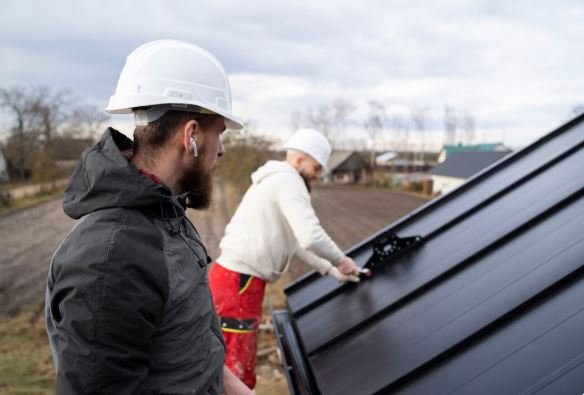
Proper installation is critical to the performance, durability, and lifespan of shingle roofing. While shingles are generally easier to install than heavier materials like tile or slate, they require precision and expertise to ensure proper alignment, secure fastening, and effective waterproofing. Professionals assess the roof structure, prepare the underlayment, and install shingles in a manner that prevents water infiltration, wind damage, and premature wear. Attention to detail during installation, including proper flashing around chimneys, vents, and skylights, is essential to prevent leaks and maintain the overall integrity of the roof.
The slope of the roof, local climate, and expected weather conditions are important factors considered during shingle roofing installation. Proper underlayment, ventilation, and insulation are also essential components, as they regulate moisture, reduce energy loss, and prevent issues such as ice dams or condensation buildup. While DIY installation is sometimes attempted, professional installation is highly recommended to maximize the lifespan, performance, and safety of shingle roofing. Mistakes during installation can result in uneven surfaces, gaps, or weak points that compromise protection and lead to costly repairs over time.
Maintenance and Longevity of Shingle Roofing
Shingle roofing is generally low-maintenance compared to other roofing systems, but regular inspections and preventive care are crucial for long-term performance. Routine maintenance includes cleaning debris from the roof surface and gutters, checking for damaged or missing shingles, and inspecting flashing around roof penetrations. Addressing minor issues promptly helps prevent water infiltration, structural damage, and the growth of mold or algae. Applying protective treatments or coatings to certain types of shingles, such as wood or composite, can further extend the lifespan and preserve aesthetic appeal.
The longevity of shingle roofing depends on the quality of materials, installation, and maintenance practices. Asphalt shingles typically last between 20 and 30 years, while higher-end architectural shingles, metal shingles, or composite shingles can last 40 years or more. Regular inspections and timely repairs enhance durability, prevent costly replacements, and ensure that the roof continues to protect the property effectively. Shingle roofing that is properly installed and maintained provides decades of reliable performance while retaining visual appeal and energy efficiency.
Environmental and Energy Considerations
Modern shingle roofing offers environmental and energy benefits that contribute to sustainability and reduced operational costs. Reflective shingles help reduce heat absorption, lowering cooling requirements and improving energy efficiency. Certain shingle materials, including recycled asphalt or composite shingles, reduce environmental impact by using sustainable resources and promoting recyclability at the end of the roof’s life. Shingle roofing is also compatible with solar panel installations, allowing property owners to integrate renewable energy solutions seamlessly. These environmental and energy advantages make shingle roofing a forward-looking choice that balances performance, cost, and sustainability for modern buildings.
Conclusion
Shingle roofing is a versatile, durable, and cost-effective roofing solution that provides reliable protection, aesthetic appeal, and energy efficiency for a wide range of buildings. Its variety of materials, colors, styles, and textures allows property owners to achieve both functionality and architectural elegance while meeting long-term performance needs. Proper professional installation, routine inspections, and preventive maintenance are essential to ensure that shingle roofing performs optimally, resists environmental stressors, and lasts for decades. By understanding the different types of shingle roofing, installation considerations, maintenance requirements, and environmental benefits, property owners can make informed decisions that protect their investment and ensure the safety, comfort, and efficiency of their building. Choosing high-quality materials and professional installation for shingle roofing not only enhances the appearance of a property but also provides lasting protection and peace of mind for years to come, making it one of the most practical and reliable roofing options available today.