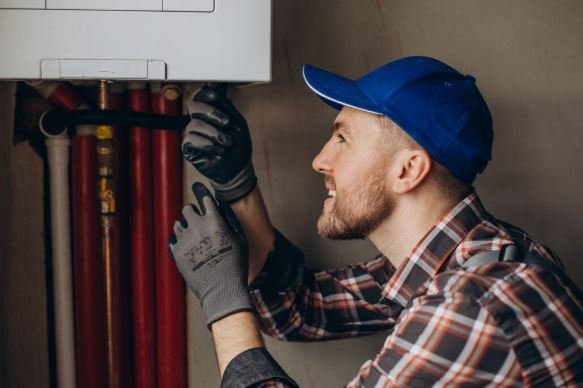
A comfortable and well-regulated indoor environment is essential for modern homes, particularly in regions that experience cold winters or fluctuating seasonal temperatures. Residential heating installations have evolved significantly over the past decades, offering homeowners a variety of efficient, reliable, and cost-effective solutions for maintaining warmth throughout their homes. Beyond comfort, proper heating installation improves energy efficiency, ensures consistent temperature distribution, enhances indoor air quality, and protects the home’s structural integrity by controlling humidity and preventing cold-related damage. Understanding the full process of residential heating installation from selecting the right system and professional installation practices to maintenance and energy management is essential for homeowners seeking long-term comfort, efficiency, and reliability.
Understanding Residential Heating Systems
Residential heating systems are designed to generate, distribute, and regulate warmth within a home. The most common types of heating systems include forced-air furnaces, radiant floor heating, heat pumps, and hydronic (boiler-based) systems. Forced-air furnaces use ducts to distribute warm air generated by burning fuel or using electricity, providing quick and consistent heating across multiple rooms. Radiant floor heating, often installed beneath flooring, distributes heat evenly through the floor surface, creating a comfortable and energy-efficient environment. Heat pumps, which can also function as cooling systems, extract heat from the air or ground outside and transfer it indoors, offering energy-efficient heating options even during colder months. Hydronic systems circulate heated water through pipes and radiators, providing consistent warmth and superior temperature control. Selecting the right type of heating system depends on factors such as home size, insulation quality, local climate, budget, and energy efficiency goals.
Benefits of Professional Heating Installation
Proper installation of a residential heating system is critical to achieving optimal performance, safety, and longevity. A professionally installed system ensures consistent heating, prevents operational inefficiencies, and reduces the likelihood of breakdowns or malfunctions. Correct installation begins with a detailed assessment of the home, including size, layout, insulation, and existing duct or piping systems. This assessment allows technicians to determine the appropriate system type, size, and capacity needed to maintain uniform temperatures across all rooms. Over- or undersized systems can create uneven heating, reduce comfort, and increase energy costs, making professional installation a practical investment.
Beyond performance, professional heating installations contribute to improved indoor air quality. Heating systems that are correctly installed and maintained circulate clean, filtered air, reducing allergens, dust, and other airborne particles. Proper installation also minimizes noise, enhances energy efficiency, and ensures compliance with safety standards, including electrical wiring and gas connections for systems powered by natural gas or propane. For homeowners seeking long-term comfort, reduced energy bills, and a healthier living environment, professional heating installation provides significant value and peace of mind.
Steps in a Residential Heating Installation
Residential heating installation is a multi-step process that requires precision and technical expertise. The first step involves assessing the home to determine the ideal system type and size, including performing heat load calculations to evaluate the amount of energy needed to maintain consistent indoor temperatures. Accurate calculations are crucial because incorrect sizing can lead to energy inefficiency, excessive wear on the system, or inadequate heating. Once the system type and capacity are determined, technicians plan the placement of key components, such as furnaces, boilers, heat pumps, ductwork, radiators, or piping systems.
For forced-air systems, installation includes connecting the furnace to existing or newly installed ductwork and ensuring proper airflow to every room. Heat pumps require careful placement of indoor and outdoor units, as well as electrical connections and refrigerant lines. Radiant floor systems or hydronic boilers require precise piping installation to ensure even heat distribution and optimal efficiency. After physical installation, the system is tested thoroughly, including airflow measurements, temperature verification, leak checks, and electrical safety inspections. Finally, technicians provide homeowners with operational guidance, including energy-saving strategies, thermostat programming, and maintenance schedules, ensuring that the system performs efficiently and reliably for years to come.
Importance of Proper Sizing and Efficiency
Selecting the correct size of a heating system is critical to both comfort and energy efficiency. An oversized system may heat rooms too quickly without maintaining proper humidity levels, leading to uneven warmth and increased energy costs due to frequent cycling. Conversely, an undersized system may struggle to maintain indoor temperatures during cold weather, forcing the system to operate continuously and increasing wear and energy consumption. Professional technicians use precise calculations, considering factors such as square footage, ceiling height, insulation quality, window type, and local climate conditions, to determine the correct system size.
Efficiency is also a crucial consideration in heating installation. Modern systems are rated for efficiency through metrics such as AFUE (Annual Fuel Utilization Efficiency) for furnaces or HSPF (Heating Seasonal Performance Factor) for heat pumps. High-efficiency systems reduce fuel consumption, lower utility bills, and minimize environmental impact, making them a practical investment for energy-conscious homeowners. Proper installation ensures that these efficiency ratings are achieved in real-world conditions, highlighting the importance of professional expertise in residential heating installations.
Residential heating systems not only provide warmth but also play a critical role in maintaining indoor air quality. Forced-air systems rely on clean ducts and filters to circulate air, removing dust, pollen, and other allergens. Hydronic and radiant systems offer indirect heating, minimizing the movement of airborne particles and providing a cleaner indoor environment. Proper ventilation, combined with effective heating installation, ensures that air remains fresh and breathable, reducing respiratory risks and enhancing overall comfort. Additionally, controlled indoor humidity through properly installed heating systems helps prevent mold growth and structural damage, reinforcing the dual benefit of comfort and home protection.
Maintenance and Longevity of Heating Systems
Routine maintenance is essential for maintaining the efficiency, performance, and safety of residential heating systems. Regular tasks include inspecting and cleaning filters, checking electrical connections, testing thermostats, examining ductwork or piping, and ensuring that fuel lines are functioning properly. Annual professional maintenance is highly recommended, ideally before the onset of winter, to identify and address potential issues before they affect system performance. Proper maintenance extends the lifespan of heating equipment, preserves energy efficiency, and reduces the likelihood of costly repairs or emergency service calls. Neglecting maintenance can result in decreased efficiency, higher energy costs, and potential safety hazards, emphasizing the importance of scheduled inspections and upkeep.
Economic and Environmental Considerations
Modern heating systems are designed with economic and environmental efficiency in mind. High-efficiency furnaces, boilers, and heat pumps consume less energy while maintaining consistent warmth, reducing monthly utility costs and the household’s carbon footprint. Smart thermostats, programmable schedules, and zoning systems allow homeowners to optimize energy consumption by directing heat only where it is needed, minimizing waste and improving efficiency. In addition to reducing operational costs, energy-efficient heating systems contribute to environmental sustainability by lowering greenhouse gas emissions. Investment in properly installed and maintained high-efficiency systems provides long-term economic benefits while supporting eco-friendly living practices.
Choosing the Right Contractor
Selecting a skilled and reputable contractor is critical for ensuring successful residential heating installation. Professional contractors bring experience, technical knowledge, and compliance with safety standards, including electrical and gas regulations. Homeowners should evaluate contractors based on credentials, licensing, experience with similar systems, customer references, and commitment to quality assurance. A well-chosen contractor ensures a smooth installation process, optimal system performance, and ongoing support for maintenance and troubleshooting. Investing in professional expertise guarantees that the heating system operates efficiently, safely, and reliably, providing homeowners with years of consistent comfort.
Conclusion
Residential heating installations are essential for maintaining comfort, safety, and energy efficiency within modern homes. A properly installed system ensures consistent indoor temperatures, improves air quality, enhances energy efficiency, and prolongs the lifespan of heating equipment. From system selection and accurate sizing to professional installation, testing, and maintenance, each step is vital to achieving optimal performance and long-term reliability. Homeowners who invest in professional heating installation benefit from improved comfort, reduced energy costs, and a healthier living environment, making it a practical and essential component of modern home management. As technology continues to evolve, high-efficiency heating systems, smart controls, and sustainable solutions offer homeowners advanced options for maintaining warmth, comfort, and environmental responsibility, solidifying the importance of professional residential heating installation as a cornerstone of modern home comfort and efficiency.