Introduction to Exterior Painting
Exterior painting is a crucial aspect of property maintenance that goes far beyond aesthetics. While it undeniably improves the visual appeal of homes and commercial buildings, the benefits of exterior painting extend into protection, durability, and long-term investment value. The exterior of a property is continuously exposed to environmental elements such as sunlight, rain, wind, and fluctuating temperatures, which can cause surfaces to fade, peel, or deteriorate over time. A high-quality exterior paint job acts as a protective barrier against these elements, preventing moisture penetration, reducing the risk of structural damage, and enhancing the overall lifespan of the building materials. Moreover, a professionally executed exterior painting project can dramatically increase property value, making it more appealing to potential buyers while reflecting the care and maintenance invested by the owner.
Many property owners may initially underestimate the significance of exterior painting, considering it primarily as a cosmetic improvement. However, beyond enhancing curb appeal, exterior painting is a preventive measure that shields surfaces from degradation and damage. Paint provides a layer of protection that prevents moisture from seeping into walls, which can lead to mold, mildew, or rot. It also safeguards materials such as wood, stucco, brick, or metal from weather-related wear and tear, extending the lifespan of siding, trim, and other structural components. Additionally, modern exterior paints are formulated with UV-resistant and weather-resistant properties, ensuring that surfaces maintain color vibrancy and resist fading, chalking, and cracking. This combination of protection and visual enhancement makes exterior painting a vital element of property maintenance and investment.
Choosing the Right Exterior Paint
Selecting the appropriate type of paint for an exterior project is crucial for achieving lasting results. Exterior paints are designed to withstand harsh environmental conditions, and choosing a product suited to the specific surface and climate ensures optimal performance. Acrylic latex paints are widely recommended for most surfaces due to their flexibility, durability, and resistance to cracking and fading. They adhere well to a variety of substrates, including wood, stucco, and masonry, and offer excellent color retention over time. Oil-based paints, on the other hand, are ideal for metal surfaces or areas that require enhanced adhesion and smooth finish, although they require longer drying times and more intensive cleanup. Additionally, selecting the right finish is essential: flat or matte finishes help conceal surface imperfections, while satin or semi-gloss finishes provide better durability and ease of cleaning, particularly for high-traffic areas or surfaces exposed to frequent contact and weather wear. Considering the climate, exposure to sunlight, and moisture levels is also essential when selecting paint types to ensure longevity and resistance to environmental stresses.
Surface Preparation: The Key to Longevity
A successful exterior painting project begins with thorough surface preparation, which is arguably more important than the choice of paint itself. Surfaces must be cleaned, repaired, and primed to ensure proper adhesion and a smooth, durable finish. Cleaning involves removing dirt, mildew, dust, and loose paint using pressure washing or scrubbing with mild detergents, ensuring that the new paint bonds effectively. Damaged or rotten wood must be replaced, cracks filled with appropriate fillers, and uneven surfaces sanded to create a consistent base. Priming is especially important for bare wood, metal, or previously unpainted masonry, as it improves paint adhesion, prevents stains from bleeding through, and enhances overall durability. Neglecting proper surface preparation is a common reason for premature paint failure, which can lead to peeling, blistering, or uneven finishes, ultimately reducing the lifespan of the exterior paint job and requiring costly repairs or repainting sooner than expected.
Application Techniques and Tools
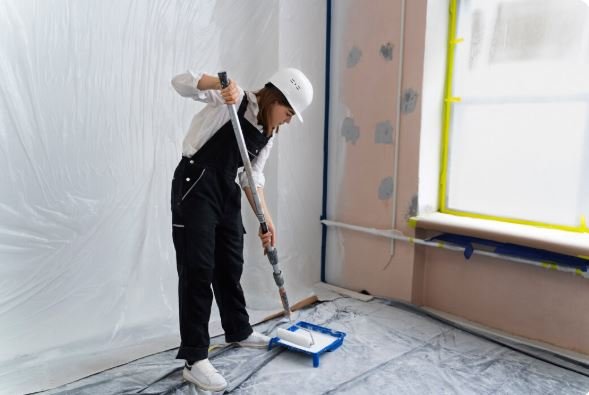
Applying exterior paint requires careful attention to technique, as improper application can compromise the finish and reduce durability. Various methods are employed depending on the surface type, area size, and project goals. Brushes offer precision for detailed work, trim, and corners, while rollers provide efficient coverage for large, flat surfaces. Sprayers are often used for speed and uniform coverage, particularly on textured or uneven surfaces, but require skill to avoid overspray and ensure even coating. Multiple coats are typically recommended, with each layer applied according to manufacturer guidelines for drying time and thickness. Proper technique ensures consistent color, smooth finish, and maximum adhesion, which collectively extend the lifespan of the exterior paint. Choosing high-quality tools and adhering to correct application practices are critical factors in achieving a professional and long-lasting exterior paint finish.
Protection Against Environmental Factors
Exterior painting is inherently a protective measure against environmental factors, and modern paints are designed to enhance this protection. Weather-resistant paints provide a barrier against rain, preventing moisture infiltration that can cause rot, warping, or structural damage. UV-resistant properties prevent fading, chalking, and color degradation caused by prolonged sun exposure, which is particularly important for homes in regions with intense sunlight. Additionally, mildew-resistant paints help inhibit the growth of mold and mildew, particularly in humid or shaded areas where moisture accumulates. By investing in high-quality exterior paints and applying them correctly, property owners can protect their buildings from environmental wear while maintaining vibrant, aesthetically pleasing exteriors for years to come.
Aesthetic Considerations and Color Selection
While functionality is essential, aesthetics are equally important when planning an exterior painting project. The choice of color and finish can dramatically influence the overall appearance, style, and appeal of a property. Lighter colors often create a sense of openness and brightness, while darker shades provide a more dramatic and elegant look. Contrasting trim colors can highlight architectural details and enhance visual interest. When selecting colors, it is advisable to consider the surrounding environment, neighborhood styles, and architectural features to ensure a cohesive and appealing look. Modern exterior paints also offer a wide range of shades with enhanced color retention, allowing homeowners to maintain their desired aesthetic for years without frequent repainting.
Exterior painting is not a one-time task; ongoing maintenance ensures longevity and continued protection. Regular inspections help identify early signs of peeling, cracking, or fading, allowing timely touch-ups to prevent further damage. Cleaning the painted surfaces periodically removes dirt, mildew, and pollutants that may compromise the paint’s integrity. Depending on the quality of materials, climate, and exposure to elements, exterior surfaces may require repainting every 5–10 years. Investing in high-quality paints and proper application reduces the frequency of repainting, ultimately saving costs and maintaining both protective and aesthetic benefits. A well-maintained exterior paint job enhances curb appeal, protects structural components, and ensures a long-lasting, visually appealing finish.
Common Mistakes in Exterior Painting
Several common mistakes can reduce the effectiveness and lifespan of exterior painting projects. Neglecting surface preparation, such as failing to clean or repair damaged areas, is one of the most frequent errors, leading to poor adhesion and early paint failure. Choosing the wrong type of paint for a specific surface or environmental condition can result in cracking, peeling, or fading. Applying paint too thinly or unevenly, skipping primer, or failing to follow recommended drying times can also compromise durability. Additionally, attempting exterior painting during unsuitable weather conditions, such as extreme heat, humidity, or rain, can affect drying, adhesion, and finish quality. Awareness of these common mistakes and taking steps to avoid them is essential for achieving a professional, durable, and long-lasting exterior paint finish.
Modern Innovations in Exterior Paints
Advances in paint technology have significantly improved the durability, performance, and versatility of exterior paints. Modern exterior paints feature advanced formulations that resist fading, chalking, and cracking while providing mildew and stain resistance. Low-VOC (volatile organic compound) and eco-friendly paints are now widely available, offering environmental benefits without sacrificing performance. Innovations such as elastomeric coatings provide superior flexibility, allowing paint to expand and contract with temperature changes, reducing the risk of cracking on surfaces exposed to extreme weather. These advancements have made exterior painting more effective, durable, and environmentally conscious, enabling property owners to protect their investment while enhancing aesthetics and sustainability.
Conclusion
Exterior painting is a multifaceted process that combines aesthetic appeal, protective functionality, and long-term investment benefits. A well-executed exterior paint job shields the property from weather, UV exposure, moisture, and environmental pollutants, while simultaneously enhancing curb appeal, architectural features, and overall value. Choosing the right paint, performing thorough surface preparation, applying professional techniques, and maintaining the painted surfaces are all essential components of a successful project. Modern innovations in exterior paint technology further improve durability, environmental friendliness, and visual impact, ensuring that exterior painting remains a vital aspect of property maintenance. By investing in high-quality materials, skilled application, and ongoing maintenance, property owners can enjoy the full benefits of exterior painting, creating attractive, protected, and long-lasting surfaces that elevate the appearance, value, and integrity of their buildings.