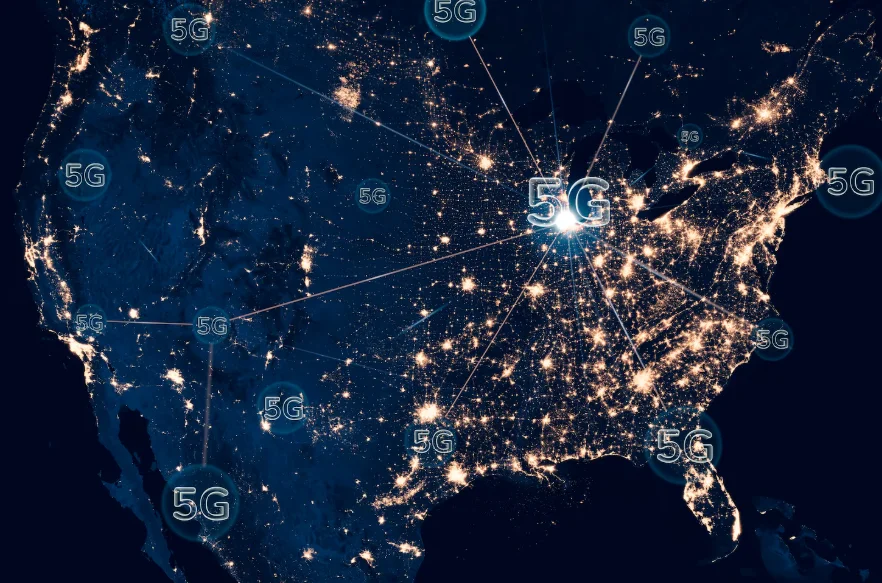
The advent of 5G technology is rapidly changing the way the world connects, communicates, and consumes information. Unlike previous generations of wireless technology, 5G offers unprecedented speed, ultra-low latency, and the capacity to connect billions of devices simultaneously. This shift is not just about faster internet—it is redefining industries, enabling new innovations, and reshaping daily life on a global scale.
In this article, we explore how 5G is transforming global connectivity, highlighting its impact on businesses, communication, and emerging technologies.
Understanding 5G Technology
5G, or fifth-generation wireless technology, represents a leap forward from 4G LTE networks. It is designed to deliver speeds up to 100 times faster than 4G, with latency as low as one millisecond. This allows real-time communication between devices, making it ideal for applications like autonomous vehicles, remote surgeries, and augmented reality experiences.
The architecture of 5G is also unique. It uses a combination of high-frequency millimeter waves and advanced antenna technologies to provide reliable coverage in densely populated areas. Network slicing, another key feature, enables operators to create virtual networks customized for specific needs, such as industrial operations, healthcare, or entertainment.
Enhancing Digital Communication
One of the most immediate effects of 5G is in digital communication. With faster speeds and lower latency, video calls, live streaming, and online gaming have become smoother and more immersive. Businesses can now conduct high-quality virtual meetings without interruptions, enhancing remote collaboration.
For instance, Voddler, a streaming service, has started leveraging 5G to improve video streaming quality. Users can enjoy ultra-high-definition content without buffering, even in areas that previously experienced network congestion. This seamless experience is driving user engagement and setting new standards for online media consumption.
Empowering Smart Cities
The integration of 5G technology is crucial for the development of smart cities. Connected infrastructure, such as traffic lights, surveillance systems, and utility networks, relies on fast, reliable communication. With 5G, cities can manage resources more efficiently, reduce traffic congestion, and improve public safety.
Sensors embedded throughout a city can instantly transmit data to central systems. For example, real-time monitoring of air quality, water usage, and energy consumption becomes possible, allowing authorities to respond proactively to environmental challenges. This level of connectivity was not feasible with previous wireless generations.
Transforming Industries
5G is more than a consumer convenience—it is a catalyst for industrial transformation. Manufacturing facilities can implement automated robotics, predictive maintenance systems, and real-time monitoring of production lines. These innovations reduce downtime, increase efficiency, and lower operational costs.
Healthcare is another sector benefiting from 5G. Remote surgeries, enabled by ultra-low latency connections, allow specialists to operate robotic instruments from thousands of miles away. Telemedicine platforms can provide high-definition consultations without lag, improving patient care in rural and underserved regions.
Retail is also evolving with 5G. Retailers can implement augmented reality apps that let customers visualize products in their homes before purchase. Real-time inventory management and automated checkout systems enhance the shopping experience while reducing errors and wait times.
Global Economic Impact
The rollout of 5G is expected to have a profound impact on the global economy. Economists estimate that 5G could contribute trillions of dollars to global GDP over the next decade. By enabling new business models and innovations, it is creating opportunities across multiple sectors.
The American Bulletin recently highlighted the economic potential of 5G in connecting developing regions. Countries that adopt 5G early may attract investments, stimulate entrepreneurship, and enhance competitiveness in the global market. Improved connectivity can also bridge the digital divide, providing education and healthcare access to remote communities.
Advancing IoT and Connectivity
The Internet of Things (IoT) thrives on connectivity, and 5G provides the backbone for its expansion. Millions of devices, from household appliances to industrial machinery, can now communicate simultaneously without overloading networks.
Smart homes benefit as well, with connected devices operating more efficiently and responding faster. Smart thermostats, security cameras, and appliances can exchange data instantly, improving energy efficiency and convenience. In agriculture, 5G enables precision farming techniques, where sensors monitor soil conditions, crop health, and irrigation systems in real time.
Challenges and Considerations
While 5G promises transformative benefits, its implementation faces challenges. High-frequency millimeter waves have a shorter range, requiring the installation of more base stations in urban areas. Additionally, network security becomes increasingly critical as more devices connect to 5G networks.
Privacy concerns also arise, especially with the vast amount of data transmitted by connected devices. Regulators and service providers must work together to ensure that user data is protected, while still enabling the full potential of 5G technology.
The Future of Global Connectivity
The long-term implications of 5G extend far beyond current applications. Innovations in artificial intelligence, autonomous transportation, and immersive digital experiences will rely heavily on this technology. For example, autonomous vehicles require instantaneous communication with other vehicles and traffic systems—a task only possible with 5G.
In education, virtual and augmented reality classrooms can offer immersive learning experiences, making education accessible to students worldwide. Healthcare providers can implement AI-driven diagnostics in real time, improving treatment accuracy and efficiency.
The global connectivity enabled by 5G also fosters collaboration across borders. Businesses can seamlessly coordinate international operations, researchers can share findings instantly, and individuals can connect with friends and family in ways previously unimaginable.
Conclusion
5G is more than a faster internet connection—it is a transformative force reshaping how the world communicates, works, and interacts. From enhancing digital media experiences with platforms like Voddler to enabling economic growth highlighted by The American Bulletin, the benefits of 5G are vast and far-reaching.
As the technology continues to evolve and expand, its impact will become increasingly visible across industries and communities. The promise of 5G lies not just in speed, but in its ability to connect people, devices, and ideas like never before. Businesses, governments, and individuals who embrace this technology today are positioning themselves for a more connected, efficient, and innovative future.