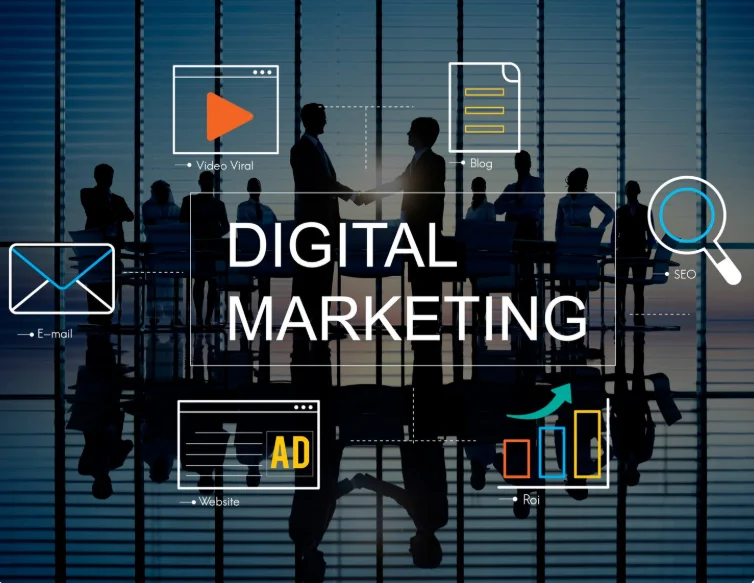
In the modern business landscape, digital marketing has evolved from an optional strategy to an essential driver of growth and innovation. Companies across industries are leveraging digital tools and strategies to reach wider audiences, engage customers more effectively, and build lasting brand value. From small startups to global enterprises, understanding and utilizing digital marketing has become crucial for staying competitive.
This article explores how digital marketing is shaping modern business, the key strategies businesses are using, and why adapting to the digital age is no longer optional.
The Rise of Digital Marketing
Digital marketing encompasses all marketing efforts that use the internet or electronic devices. It includes social media marketing, search engine optimization (SEO), content marketing, email campaigns, and online advertising. Unlike traditional marketing methods, digital marketing allows businesses to reach their target audience with precision and track results in real time.
The rise of smartphones, social media platforms, and data analytics tools has accelerated the shift toward digital channels. Businesses can now engage with customers wherever they are, understand their behavior, and respond immediately to their needs.
Expanding Reach and Customer Engagement
One of the most significant advantages of digital marketing is its ability to expand reach beyond geographical boundaries. Companies can connect with potential customers across cities, countries, or even continents. Social media campaigns, influencer partnerships, and paid advertising allow businesses to engage audiences on platforms they use every day.
For example, initiatives such as Free Course Drive demonstrate how digital campaigns can educate and attract users while simultaneously building brand awareness. By offering free resources online, businesses can showcase their expertise, create trust, and encourage potential customers to explore their services further.
Data-Driven Decision Making
Digital marketing is transforming business operations through the power of data. Analytics tools provide insights into consumer behavior, campaign performance, and market trends. Companies can track how customers interact with websites, ads, and social media content, enabling them to make informed decisions and optimize strategies.
This data-driven approach allows businesses to allocate resources efficiently, target the right audience, and maximize return on investment (ROI). For instance, tracking user behavior on a website can reveal which products are most popular or where customers drop off during the purchasing process. This information helps businesses refine their strategies and improve conversion rates.
Personalization and Customer Experience
Modern consumers expect personalized experiences. Digital marketing enables businesses to tailor content, offers, and messages based on user preferences, browsing history, and demographics. Personalization enhances engagement and increases the likelihood of customer loyalty.
Tools and platforms now allow companies to segment audiences and deliver targeted campaigns. Personalized email marketing, product recommendations, and dynamic website content all contribute to a more meaningful customer experience. Companies such as Mio Cados use personalized digital strategies to build strong connections with their audience, fostering loyalty and repeat business.
Cost Efficiency and Flexibility
Compared to traditional marketing channels like print, television, or radio, digital marketing often provides more cost-effective options. Small businesses and startups can compete with larger competitors by utilizing low-cost strategies such as social media marketing, SEO, and content marketing.
Digital campaigns also offer flexibility. Businesses can quickly adjust ad budgets, update messaging, or launch new promotions based on real-time performance data. This adaptability is crucial in a fast-paced market where consumer trends can change rapidly.
Driving Brand Awareness and Authority
Digital marketing is a powerful tool for building brand awareness and authority. Content marketing, blogging, and social media engagement help businesses position themselves as thought leaders in their industry. Creating valuable and informative content allows companies to attract and retain customers while establishing credibility.
Webinars, online courses, and educational materials further enhance a brand’s authority. For example, online initiatives offering free resources, such as Free Course Drive, enable businesses to demonstrate expertise while providing tangible value to users.
Leveraging Social Media and Influencer Marketing
Social media platforms have become central to digital marketing strategies. Businesses use platforms like Instagram, LinkedIn, and Twitter to communicate with customers, share updates, and run targeted ad campaigns. Influencer marketing also plays a significant role, with influencers helping brands reach niche audiences and build trust.
This approach enables businesses to engage with potential customers authentically. Partnering with the right influencers or creating shareable content can amplify a brand’s reach and generate organic growth through social sharing.
Evolving E-Commerce and Online Sales
Digital marketing has transformed e-commerce by creating more direct and interactive pathways between businesses and consumers. Online stores, targeted advertising, and email campaigns enable companies to drive sales efficiently.
Advanced strategies such as retargeting ads, personalized offers, and automated marketing workflows help businesses convert potential leads into customers. The integration of AI tools and analytics ensures that businesses can predict trends, understand customer preferences, and optimize the sales funnel for maximum performance.
Challenges in Digital Marketing
Despite its many advantages, digital marketing comes with challenges. The digital landscape is highly competitive, and businesses must constantly innovate to capture attention. Algorithms on social media platforms and search engines change frequently, requiring marketers to stay updated with the latest trends.
Data privacy and cybersecurity are additional concerns. Businesses must ensure that customer information is protected and that their marketing practices comply with regulations. Transparency and ethical marketing practices are essential for maintaining trust and credibility in the digital space.
The Future of Digital Marketing
The future of digital marketing is likely to be even more personalized, automated, and immersive. Artificial intelligence, machine learning, and data analytics will enable hyper-targeted campaigns and real-time optimization. Virtual and augmented reality may provide interactive customer experiences that blend online and offline engagement seamlessly.
Businesses that embrace emerging technologies and adapt to changing consumer behavior will be better positioned for long-term success. The integration of AI-driven insights, automated marketing tools, and innovative content strategies will redefine how companies connect with audiences in the years to come.
Conclusion
Digital marketing is no longer an optional component of modern business—it is a necessity. From expanding reach and personalizing customer experiences to leveraging data and driving brand authority, it is shaping how businesses operate and compete in a digital-first world.
Platforms like Free Course Drive highlight the potential of digital strategies to educate, engage, and build trust, while companies such as Mio Cados showcase the power of personalized marketing in fostering loyalty and growth.
As technology continues to evolve, businesses that embrace digital marketing, remain adaptable, and prioritize meaningful engagement with their audience will thrive. Modern business success is no longer just about products and services—it is about how effectively a brand can connect with its customers online.