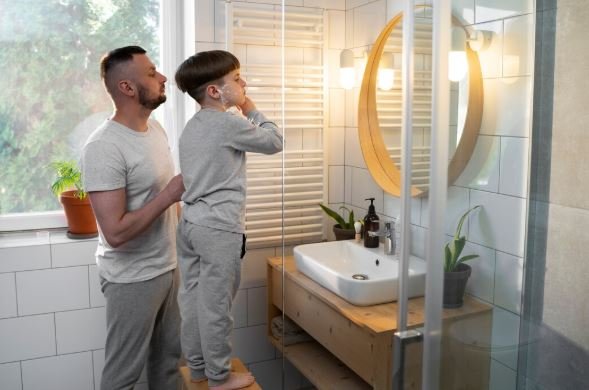
Bathroom remodeling is one of the most effective ways to enhance both the functionality and aesthetic appeal of a home, transforming an often-overlooked space into a luxurious, comfortable, and practical area. A well-executed remodel can increase property value, improve daily convenience, and provide a personal retreat for relaxation and self-care. Whether you are planning a minor update or a complete overhaul, understanding the planning, design, materials, and execution of bathroom remodeling is essential for achieving lasting results.
Remodeling a bathroom involves more than just replacing fixtures or repainting walls; it requires a comprehensive approach that addresses layout, storage, lighting, plumbing, and ventilation. By considering both form and function, homeowners can create a bathroom that is not only visually appealing but also tailored to their lifestyle needs.
Planning Your Bathroom Remodel
The first step in any successful bathroom remodeling project is careful planning. Without a clear plan, projects can become costly, time-consuming, and frustrating. Start by evaluating the existing space, identifying problem areas, and defining the goals for the remodel. Ask yourself whether you want to enhance storage, improve accessibility, increase luxury, or modernize the style.
Creating a detailed budget is critical, as bathroom remodeling costs can vary significantly depending on the scope of the project, choice of materials, and labor involved. Planning helps ensure that design choices align with financial considerations, preventing overspending while achieving the desired outcome. A remodel also requires considering the timeline, as plumbing, electrical work, and installation of fixtures can extend the duration of the project.
Assessing the Layout
The layout of a bathroom is one of the most important factors affecting both functionality and aesthetics. Before beginning the remodel, evaluate the current placement of key elements such as the toilet, sink, shower, and bathtub. Consider whether repositioning these fixtures could improve traffic flow, maximize space, or accommodate additional features.
For small bathrooms, efficient use of space is crucial. Compact fixtures, corner sinks, wall-mounted toilets, and walk-in showers can free up valuable floor space while maintaining functionality. Larger bathrooms offer the opportunity to incorporate double vanities, freestanding tubs, or separate shower areas for added convenience and luxury.
Selecting Materials and Fixtures
Choosing the right materials and fixtures is essential to achieving a balance of style, durability, and maintenance. High-quality flooring, such as porcelain tiles, natural stone, or water-resistant vinyl, ensures longevity while resisting moisture damage. Wall finishes, whether painted, tiled, or waterproof panels, must be both aesthetically pleasing and durable.
Fixtures such as sinks, faucets, toilets, and bathtubs play a central role in defining the overall style of the bathroom. Modern designs often favor sleek lines, minimalist hardware, and high-efficiency fixtures that conserve water. Lighting fixtures, mirrors, and accessories contribute to ambiance and practicality, while proper ventilation prevents moisture buildup and protects the remodel investment.
Effective storage is a critical component of bathroom remodeling, as it helps maintain organization and reduces clutter. Incorporating vanities with built-in drawers, medicine cabinets, shelving units, and wall-mounted storage maximizes space without compromising design. Customized storage solutions, such as pull-out baskets or recessed shelving in showers, offer convenience and efficiency. Well-planned storage ensures that everyday essentials are accessible while maintaining a clean, uncluttered aesthetic.
Incorporating Modern Technology
Modern bathrooms often incorporate technological features that enhance comfort, efficiency, and convenience. Touchless faucets, heated floors, smart showers, and automatic lighting are increasingly popular in contemporary remodels. Integrated audio systems, fog-free mirrors, and energy-efficient water heaters further elevate the experience, combining functionality with modern luxury. By carefully selecting technology that complements the design, homeowners can create a bathroom that feels both innovative and inviting.
Flooring and Tile Design
Flooring and tile design play a critical role in both the aesthetics and functionality of a remodeled bathroom. Tiles not only provide a durable and water-resistant surface but also allow for creative design through color, pattern, and texture. Large-format tiles can make a small bathroom feel more spacious, while intricate mosaic designs add visual interest to shower walls or backsplashes. Anti-slip flooring options improve safety, especially in homes with children or elderly residents. Coordinating flooring with wall tiles, countertops, and cabinetry creates a cohesive and harmonious look throughout the space.
Bathroom Lighting
Lighting is one of the most influential elements in bathroom design, affecting both functionality and ambiance. Layered lighting, which includes ambient, task, and accent lighting, ensures that the space is well-lit for all activities. Ambient lighting provides general illumination, while task lighting near mirrors supports grooming and makeup application. Accent lighting highlights architectural features, tile work, or decorative elements, creating a warm and inviting atmosphere. Dimmer switches allow control over brightness, adapting the space for relaxation or routine use.
The color scheme of a bathroom significantly influences the perceived size, mood, and style of the space. Neutral tones, such as white, beige, or gray, create a clean, timeless look, while darker shades convey a sense of luxury and intimacy. Pops of color through accessories, tiles, or cabinetry can add personality and visual interest. Harmonizing colors across walls, tiles, fixtures, and flooring ensures a cohesive and visually appealing environment.
Bathroom Remodeling for Accessibility
Accessibility is an important consideration for many homeowners, particularly those with mobility challenges or aging in place. Features such as walk-in showers, grab bars, non-slip flooring, and adjustable-height vanities improve safety and convenience. Thoughtful design can accommodate accessibility without compromising style, ensuring that the bathroom remains functional for all users while maintaining aesthetic appeal.
Bathroom remodeling projects can face several challenges, including plumbing complications, water damage, space limitations, and unexpected costs. Old plumbing systems may need replacement, electrical work must meet code standards, and moisture management is crucial to prevent mold growth. Working with experienced contractors and planning for contingencies helps mitigate these risks, ensuring a smoother remodeling process and a higher-quality final result.
Hiring Professionals vs. DIY Remodeling
While some homeowners may choose to tackle minor bathroom updates themselves, comprehensive remodeling projects typically require professional expertise. Licensed contractors, plumbers, electricians, and designers provide specialized skills, ensuring that installations meet safety standards and function properly. Professionals also help with material selection, design optimization, and project management, reducing stress and ensuring timely completion. DIY approaches may save costs but carry the risk of mistakes that can compromise both safety and design quality.
Long-Term Benefits of Bathroom Remodeling
Investing in bathroom remodeling offers significant long-term benefits, including increased property value, improved functionality, and enhanced daily comfort. A well-designed bathroom creates a private retreat for relaxation, improves organization through effective storage, and provides modern conveniences that enhance everyday life. Additionally, updating plumbing, fixtures, and ventilation during a remodel ensures durability and reduces the likelihood of future repairs, offering both aesthetic and practical advantages for years to come.
Conclusion
Bathroom remodeling is a complex but rewarding process that combines design, functionality, and durability to create a space that enhances both the home and daily life. By carefully planning the layout, selecting high-quality materials, incorporating modern technology, optimizing storage, and considering aesthetics and accessibility, homeowners can transform a simple bathroom into a functional, stylish, and comfortable retreat. Whether tackling a minor update or a complete renovation, thoughtful remodeling ensures a long-lasting, visually appealing, and practical space that adds value, convenience, and enjoyment for years to come.