Interior Painting is more than just a way to add color to walls; it is a transformative process that can completely redefine the look and feel of a space, making it brighter, more inviting, and reflective of personal style. Unlike extensive renovations that demand significant time, money, and labor, painting offers an efficient and cost-effective way to enhance both the aesthetics and functionality of a home. A well-executed painting project not only improves the visual appeal of your living environment but also protects surfaces, enhances property value, and allows homeowners to express creativity through color and texture. Understanding the techniques, materials, and processes involved is key to achieving a professional-quality finish that lasts for years.
The benefits of interior painting extend far beyond simple aesthetics. Painting walls effectively protects them from wear and tear, moisture, and environmental damage. It can also conceal minor imperfections such as cracks, dents, and stains, giving the room a polished, flawless look. The choice of color and finish plays a significant role in influencing mood and atmosphere. Warm tones like soft yellows and earthy oranges create energy and intimacy, while cooler shades such as muted blues and greens promote calmness and relaxation. By thoughtfully selecting colors, homeowners can tailor the ambiance of each room to suit its intended function, whether it is a lively family room, a tranquil bedroom, or a creative workspace.
Why Interior Painting is Essential for Any Home
The significance of Interior Painting goes beyond simple decoration, as it encompasses functional, psychological, and financial benefits that contribute to a well-maintained and aesthetically pleasing home. One of the most important advantages is the protection it provides to wall surfaces. High-quality paint acts as a barrier against moisture, dust, and environmental pollutants, reducing the risk of damage that can lead to expensive repairs over time. Paint also plays a role in maintaining hygiene by allowing surfaces to be easily cleaned, particularly in high-traffic areas such as kitchens, hallways, and living rooms.
From a psychological perspective, the colors and finishes used in interior painting significantly impact the mood and perception of a space. Studies in color psychology reveal that certain shades can affect energy levels, concentration, and relaxation. For example, pale blue tones promote focus and calm, making them ideal for home offices, whereas warm shades like terracotta and golden yellow stimulate social interaction and energy, which are perfect for dining rooms or communal spaces. Furthermore, a freshly painted home conveys care and attention to detail, which can enhance its perceived value and appeal to visitors, potential buyers, or tenants. A professionally executed paint job demonstrates commitment to quality and creates a lasting impression.
Choosing the Right Colors and Finishes
Selecting colors and finishes is a critical component of any Interior Painting project because it directly impacts the overall ambiance, light reflection, and perceived size of a room. The process begins with understanding the function of each room. Bedrooms, bathrooms, and relaxation spaces often benefit from soft, calming colors, while vibrant hues work well in areas intended for socialization and activity. In addition to personal preference, natural and artificial lighting must be considered, as the same color can appear dramatically different under varying lighting conditions. Testing samples on walls before committing to a full application helps ensure satisfaction with the final result.
The finish of the paint also plays a crucial role in appearance and durability. Matte finishes provide a soft, elegant look and are ideal for walls with minor imperfections, but they are less resistant to stains and may be harder to clean. Eggshell and satin finishes strike a balance between aesthetics and durability, making them suitable for high-traffic areas such as living rooms and hallways. Semi-gloss and gloss finishes are reflective and highly durable, offering excellent protection against moisture, making them ideal for kitchens, bathrooms, and trims. Understanding the unique advantages of each finish ensures that the chosen paint complements the design vision while meeting practical requirements.
Preparing Walls for Painting
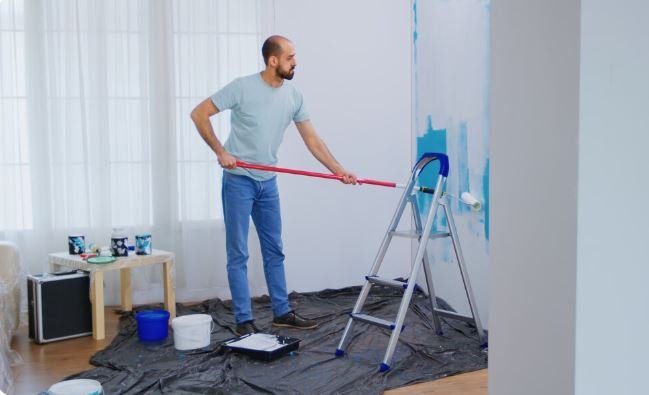
Preparation is often the most critical step in achieving a professional Interior Painting result. Neglecting this stage can compromise the final outcome, leading to uneven surfaces, peeling, or reduced durability. The first step involves clearing the area of furniture or protecting it with drop cloths. Floors, electrical outlets, light fixtures, and door handles should also be shielded from accidental paint splatters. Walls must be thoroughly cleaned to remove dirt, grease, or other residues that could interfere with paint adhesion. Using a mild detergent solution and allowing sufficient drying time ensures a stable foundation for paint application.
Repairing imperfections is equally essential. Cracks, holes, and dents should be filled with high-quality fillers and sanded to create a smooth, even surface. Priming the walls before painting enhances adhesion and prevents stains from bleeding through the new coat, which is especially important when changing from dark to light colors or covering patched areas. While some modern paints include built-in primers, a separate priming step is often recommended to achieve uniformity and longevity. Proper wall preparation minimizes errors, improves coverage, and ensures a flawless finish that can endure daily wear.
Techniques and Tools for Professional Results
Achieving a high-quality finish requires careful attention to both the tools used and the techniques applied. Brushes, rollers, and sprayers each serve unique purposes and contribute to the overall efficiency and appearance of the painting process. Brushes are essential for detailed work along edges, corners, and trim, while rollers allow for efficient coverage of large, flat surfaces. Sprayers, though more advanced and requiring precise handling, provide smooth, uniform coverage for expansive areas and intricate textures when properly used.
Applying paint effectively involves mastering techniques such as cutting in, rolling in consistent patterns, and layering multiple thin coats rather than relying on a single thick application. Cutting in ensures clean edges along corners, ceilings, and trims, while rolling in overlapping patterns promotes even coverage and reduces streaking. Multiple thin coats enhance color richness and durability, while also minimizing drips and uneven textures. Adequate drying time between coats, combined with proper ventilation, ensures the paint bonds effectively to the wall surface, producing a long-lasting, professional finish that elevates the room’s overall aesthetic.
Common Mistakes to Avoid
Even experienced individuals can encounter challenges during interior painting, but awareness of common pitfalls allows for proactive prevention. Skipping wall preparation, such as cleaning, sanding, or priming, is one of the most frequent mistakes, often resulting in uneven surfaces, peeling, or premature wear. Selecting an inappropriate paint finish for a room’s function can also undermine durability, particularly in areas subject to moisture, frequent cleaning, or heavy traffic. Rushing through the process without testing colors in different lighting conditions may lead to dissatisfaction if the color appears different than anticipated. By carefully planning, choosing the right materials, and executing each step methodically, homeowners can achieve a professional-quality interior painting result that meets both aesthetic and functional expectations.
Maintenance for Long-Lasting Beauty
Once a painting project is complete, maintaining the results is essential to preserving the beauty and integrity of the walls. Routine cleaning with mild soap and water removes dust and minor stains without compromising the finish, while avoiding harsh chemicals prevents discoloration or damage. Keeping leftover paint for touch-ups allows for quick repairs to scratches or scuffs, extending the life of the project and maintaining a polished appearance. During the curing period, it is also important to avoid contact with furniture or heavy objects, allowing the paint to fully harden. Consistent care ensures that interior painting remains a durable and visually appealing solution for home improvement, retaining its transformative effect for years.
Why Hiring Professionals Can Make a Difference
While many homeowners attempt DIY interior painting, professional services can offer superior results and save considerable time and effort. Skilled painters bring expertise in surface preparation, color matching, application techniques, and finishing touches, ensuring a flawless outcome that may be difficult to achieve independently. Professionals also have access to high-quality paints, specialized tools, and industry-standard methods, which contribute to the longevity and visual appeal of the finished work. By relying on professional knowledge, homeowners can enjoy a beautiful, durable result without the stress or mistakes that often accompany DIY projects.
Interior Painting as a Form of Personal Expression
Beyond the functional and aesthetic benefits, interior painting provides homeowners with a unique opportunity for self-expression. Choosing colors, patterns, textures, and finishes allows individuals to create spaces that reflect their personality, lifestyle, and creativity. From bold accent walls and geometric designs to subtle gradients and intricate murals, painting transforms walls into living canvases that can evolve over time. Unlike permanent structural renovations, painting offers flexibility, enabling changes as tastes, trends, or functional needs shift, which keeps the living space fresh, engaging, and aligned with the homeowner’s vision.
Conclusion
Interior Painting in Elbert County is one of the most versatile, impactful, and cost-effective methods for transforming a living space. From careful selection of colors and finishes to meticulous wall preparation and precise application techniques, each step plays a crucial role in achieving a flawless, professional-quality result. Properly executed painting not only enhances aesthetic appeal and mood but also protects surfaces, increases property value, and provides a platform for personal expression. Whether undertaken as a DIY project or with professional assistance, investing the time, effort, and attention to detail in interior painting ensures beautiful, long-lasting results that enrich the overall living experience and create a space that is both functional and visually stunning.