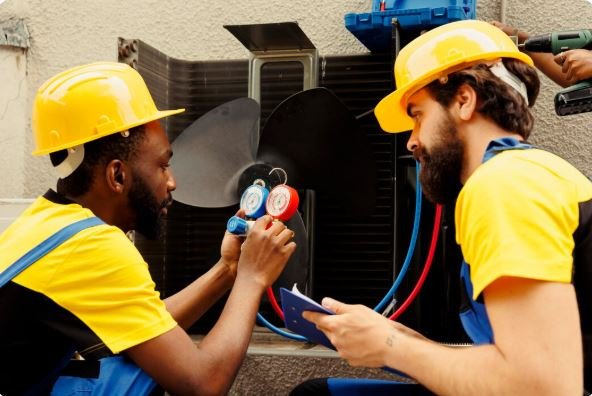
Understanding the Importance of AC Replacement
Air conditioning is essential for maintaining comfort, indoor air quality, and overall well-being in modern homes, particularly during hot weather months. Over time, however, AC units may lose efficiency, struggle to maintain desired temperatures, or experience frequent breakdowns. When a unit reaches the end of its lifespan or becomes inefficient due to mechanical wear, outdated technology, or refrigerant issues, timely AC replacement becomes crucial. Installing a new system not only restores comfort but also improves energy efficiency, reduces utility bills, and ensures consistent climate control throughout the home. AC replacement is an investment in both immediate comfort and long-term home efficiency, making it a necessary consideration for homeowners seeking reliable cooling solutions.
Identifying when AC replacement is necessary requires careful observation of your system’s performance. One of the most apparent indicators is frequent breakdowns or the need for repeated repairs, which can make maintaining your indoor climate costly and unreliable. Uneven cooling, inconsistent airflow, or strange noises such as rattling or grinding suggest that the unit is deteriorating internally. Older systems that use outdated refrigerants may be less environmentally friendly and more expensive to operate. Increased energy bills despite normal usage can indicate declining efficiency, signaling that your AC is working harder to maintain comfort. In these cases, professional evaluation and timely AC replacement are essential to avoid more serious problems, ensure safety, and restore effective cooling.
Choosing the Right AC Unit for Replacement
Selecting the right AC unit is a critical step in the replacement process. Modern units offer a variety of features designed to improve efficiency, comfort, and longevity. Central air conditioning systems provide uniform cooling throughout the home, while ductless mini-split systems offer flexibility for individual rooms and zones. Energy efficiency ratings, such as SEER (Seasonal Energy Efficiency Ratio), help homeowners identify units that provide maximum cooling with minimum energy consumption. Considerations such as home size, insulation quality, climate, and budget all influence the appropriate choice. A properly selected AC system ensures optimal performance, reduces long-term operational costs, and enhances indoor comfort. Consulting with a licensed HVAC professional during this selection process ensures that the replacement unit meets your home’s specific needs.
Preparation is key to a smooth and efficient AC replacement process. Homeowners should schedule professional evaluation and consultation to assess their existing system, ductwork, and electrical infrastructure. Ensuring that the area surrounding the outdoor condenser is clear of debris and obstacles facilitates easy access and installation. Preparing the indoor unit space, checking ventilation, and verifying electrical connections are essential to prevent delays during replacement. In some cases, modifications to ductwork or electrical panels may be required to accommodate the new system. Proper preparation not only ensures safety and efficiency during installation but also minimizes the risk of damage to your property or the new AC unit.
The AC Replacement Process
AC replacement involves several detailed steps to ensure proper operation and long-term efficiency. The process typically begins with the removal of the old unit, which may include disconnecting electrical components, refrigerant lines, and ductwork. Careful disposal of the existing system in accordance with environmental regulations is necessary, particularly for refrigerants that can harm the environment. The new unit is then positioned, connected, and secured, with careful attention to electrical wiring, refrigerant charging, and system calibration. Ductwork adjustments and airflow balancing may be performed to optimize cooling performance. After installation, the system is thoroughly tested to confirm proper operation, efficiency, and temperature control. Professional AC replacement guarantees that every component is installed correctly, reducing the risk of future breakdowns and maximizing energy efficiency.
Benefits of Timely AC Replacement
Timely AC replacement offers significant advantages that go beyond restoring comfort. Modern systems are more energy-efficient, reducing electricity consumption and lowering utility bills. Advanced technology in new units, including programmable thermostats, variable-speed compressors, and improved airflow design, enhances comfort and climate control. Replacing an old or inefficient system minimizes the risk of unexpected breakdowns and costly repairs, while ensuring consistent and reliable cooling throughout the home. Additionally, newer AC units are often quieter and require less maintenance, providing long-term convenience and peace of mind. Timely replacement protects both the homeowner’s investment and the comfort of the household, making it a critical step in home maintenance.
Maintenance Tips After AC Replacement
Proper maintenance after AC replacement is essential to maximize the lifespan and performance of the new system. Regularly cleaning or replacing filters ensures optimal airflow and reduces strain on the unit. Scheduling annual inspections by licensed HVAC professionals allows for early detection of potential issues, such as refrigerant leaks, electrical faults, or ductwork problems. Maintaining clear access to indoor and outdoor units, monitoring thermostat performance, and keeping condenser coils clean all contribute to efficient operation. Following manufacturer guidelines for routine maintenance ensures that the AC system operates at peak performance, reduces energy costs, and prevents premature wear or damage.
AC replacement can have positive environmental and financial impacts. Modern units with high energy efficiency ratings consume less electricity, reducing greenhouse gas emissions associated with energy production. Environmentally friendly refrigerants in newer systems further minimize ecological impact. Financially, energy-efficient units lower utility bills and reduce the likelihood of expensive emergency repairs. In addition, well-maintained systems preserve the value of the home and can make properties more attractive to potential buyers. Investing in AC replacement is therefore a practical decision that combines improved comfort, reduced environmental footprint, and long-term economic benefits.
Conclusion: Investing in AC Replacement for Comfort and Efficiency
AC replacement is a vital step for homeowners seeking reliable, efficient, and environmentally responsible cooling solutions. Recognizing signs of system decline, selecting the right unit, preparing the home, and ensuring professional installation are essential to achieving optimal results. A properly installed and maintained AC system improves energy efficiency, enhances indoor comfort, and reduces the risk of costly repairs. Whether replacing an aging system or upgrading to modern technology, timely AC replacement provides long-term benefits, ensuring that your home remains a comfortable and inviting environment year-round. Prioritizing this investment safeguards both the homeowner’s comfort and the long-term functionality of their cooling system.