Understanding the Benefits of Laser Skin Treatments
Laser skin treatments have become a cornerstone of modern dermatology and cosmetic care, offering precise and effective solutions for a wide range of skin concerns. Unlike traditional methods, laser procedures target specific layers of skin with controlled energy, stimulating natural healing processes, collagen production, and tissue regeneration. Whether addressing wrinkles, acne scars, hyperpigmentation, or sun damage, these treatments provide a minimally invasive alternative to surgical interventions, often with faster recovery times and long-lasting results. Beyond cosmetic improvements, laser skin treatments can also help improve skin texture, tone, and elasticity, promoting overall skin health and a youthful appearance. The precision and versatility of modern laser technology make these treatments a highly desirable option for anyone seeking both aesthetic and therapeutic benefits.
Common Applications of Laser Skin Treatments
Laser skin treatments can address a wide variety of dermatological and cosmetic concerns. One of the most common applications is the reduction of fine lines and wrinkles, where lasers stimulate collagen and elastin production to restore skin firmness and smoothness. Acne scars and other forms of scarring can be minimized through fractional laser treatments, which resurface damaged tissue while leaving surrounding areas intact for faster healing. Hyperpigmentation, sun spots, and uneven skin tone are effectively treated using specific wavelengths that target melanin deposits without harming surrounding skin. Additionally, laser treatments are used for tattoo removal, hair removal, and the reduction of vascular lesions, making them a versatile tool in both cosmetic and medical dermatology. The ability to customize treatments according to individual skin types and conditions enhances safety and effectiveness, ensuring optimal results for a wide range of patients.
Preparing for Laser Skin Treatments
Proper preparation is essential for maximizing the effectiveness and safety of laser skin treatments. A consultation with a qualified dermatologist or licensed practitioner helps determine the appropriate type of laser, treatment intensity, and schedule based on the patient’s skin type, medical history, and desired outcomes. Patients are often advised to avoid sun exposure, tanning, and certain skincare products, such as retinoids or exfoliants, for a period before treatment to reduce sensitivity and the risk of complications. In some cases, pre-treatment skincare routines or topical anesthetics may be recommended to minimize discomfort during the procedure. By carefully preparing the skin and setting realistic expectations, patients can optimize results and experience a smoother recovery following laser skin treatments.
The Procedure: What to Expect
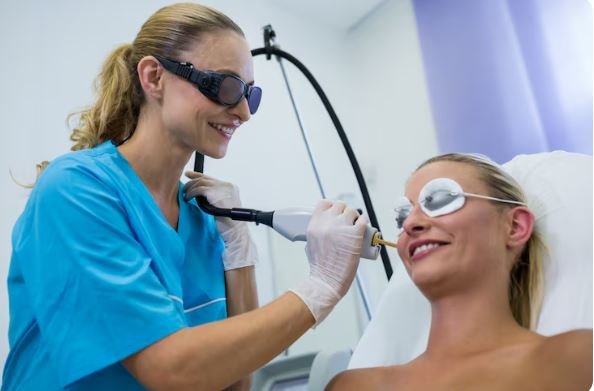
Laser skin treatments involve the application of focused light energy to specific areas of the skin. During the procedure, the practitioner adjusts the laser’s wavelength, intensity, and duration according to the treatment area and the desired outcome. Some procedures may require a cooling device or topical numbing agents to enhance comfort, while more advanced laser systems include integrated cooling mechanisms to protect surrounding tissue. Patients often experience a mild warming or tingling sensation during treatment, which typically lasts only for the duration of the session. Depending on the complexity and size of the treatment area, sessions may last from a few minutes to over an hour. The precision of laser technology ensures that only targeted areas are affected, minimizing downtime and maximizing the effectiveness of skin rejuvenation.
Recovery and Aftercare
Recovery after laser skin treatments varies depending on the type and intensity of the procedure. Mild redness, swelling, or temporary pigmentation changes are common and typically resolve within a few days to a couple of weeks. Patients are advised to avoid direct sun exposure, apply recommended moisturizers or healing ointments, and follow any specific aftercare instructions provided by their practitioner. It is important to avoid picking or scratching treated areas to prevent scarring or infection. For optimal results, multiple treatment sessions may be scheduled over several weeks or months, allowing for gradual improvement and sustained skin rejuvenation. Adhering to proper aftercare protocols enhances the longevity of results and ensures that patients experience the full benefits of laser skin treatments.
Risks and Considerations
While laser skin treatments are generally safe when performed by qualified professionals, there are potential risks and considerations that patients should be aware of. Temporary redness, swelling, or minor discomfort is common, and in rare cases, patients may experience blistering, hyperpigmentation, or infection. Individuals with certain medical conditions, active skin infections, or recent sunburn may need to postpone treatment. A thorough consultation and skin assessment help identify any contraindications and minimize the likelihood of complications. Choosing an experienced practitioner, following pre- and post-treatment instructions, and selecting the appropriate laser type for your skin type are key factors in achieving safe and effective outcomes. Understanding potential risks ensures patients can make informed decisions about pursuing laser skin treatments.
Beyond cosmetic enhancements, laser skin treatments offer a range of therapeutic benefits. For individuals with acne or acne scars, laser procedures can reduce inflammation, improve skin texture, and promote the regeneration of healthy tissue. Certain laser treatments also improve skin elasticity, reduce the appearance of enlarged pores, and promote an even complexion, contributing to overall skin health. By stimulating collagen and elastin production, lasers help prevent premature aging and maintain skin vitality. The combination of aesthetic and health benefits makes laser skin treatments a comprehensive approach to achieving both beauty and long-term dermatological wellness.
Choosing the Right Practitioner
Selecting a qualified and experienced practitioner is critical to the success of laser skin treatments. Patients should seek professionals who are licensed, certified, and have specialized training in laser dermatology or cosmetic procedures. Reviewing before-and-after photos, reading patient testimonials, and discussing treatment options during consultation sessions can help patients make informed decisions. Transparency regarding potential risks, expected outcomes, and the number of sessions required is essential to setting realistic expectations. A skilled practitioner not only ensures the safe and effective use of laser technology but also provides guidance on complementary skincare routines to maintain and enhance results over time.
Conclusion: Investing in Laser Skin Treatments for Lasting Results
Laser skin treatments offer a highly effective, minimally invasive solution for addressing a wide range of skin concerns, from wrinkles and scars to pigmentation and vascular lesions. Through precise energy delivery, these treatments stimulate natural healing processes, improve skin texture, and promote a youthful and radiant appearance. By choosing the appropriate laser type, preparing adequately, and following proper aftercare, patients can achieve long-lasting, safe, and visible results. Whether pursued for aesthetic or therapeutic reasons, investing in professional laser skin treatments provides a comprehensive approach to healthier, rejuvenated skin, combining convenience, precision, and long-term dermatological benefits.