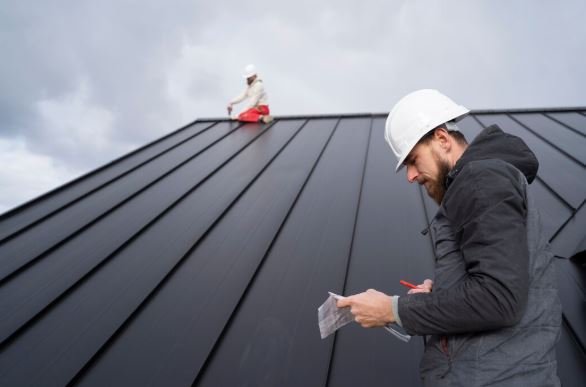
Roof installation is one of the most critical aspects of constructing or renovating a home, as it directly impacts structural integrity, energy efficiency, and overall protection from environmental elements. A properly installed roof not only enhances the visual appeal of a property but also ensures long-term durability and safety, making it a valuable investment for any homeowner. Whether you are building a new house or replacing an aging roof, understanding the process, materials, and best practices involved in roof installation is essential for achieving reliable and lasting results.
A roof does much more than cover a building; it acts as the first line of defense against rain, wind, heat, and other external factors. Because of this, even minor mistakes during installation can lead to significant issues such as leaks, insulation problems, and structural damage. By taking a comprehensive approach that includes planning, material selection, and professional execution, homeowners can ensure that their roofing system performs effectively for many years.
Understanding the Importance of Roof Installation
Roof installation plays a crucial role in maintaining the safety and efficiency of a building, as it protects the interior from weather conditions while also contributing to temperature regulation. A well-installed roof prevents water infiltration, which can cause mold growth, wood rot, and damage to ceilings and walls, while also providing insulation that helps maintain indoor comfort throughout different seasons.
In addition to protection, a quality roof enhances property value and curb appeal, making it an important consideration for homeowners who may plan to sell their property in the future. A modern, durable roof signals reliability and reduces concerns for potential buyers, ultimately increasing the attractiveness of the home.
Types of Roofing Materials
Selecting the right roofing material is one of the most important decisions in the installation process, as it affects durability, cost, maintenance, and overall appearance. Each material has its own advantages and considerations, making it important to choose one that aligns with your needs and environment.
Asphalt shingles are among the most popular choices due to their affordability, versatility, and ease of installation, making them suitable for a wide range of residential properties. Metal roofing is known for its durability and longevity, offering resistance to harsh weather conditions while also being energy efficient due to its reflective properties. Tile roofing, often made from clay or concrete, provides a distinctive aesthetic and exceptional durability, though it may require additional structural support due to its weight. Wood shingles and shakes offer a natural and rustic appearance, but they require regular maintenance to prevent issues such as rot and insect damage.
Each of these materials comes with different installation requirements, and choosing the right one depends on factors such as climate, budget, and desired style.
Preparing for Roof Installation
Proper preparation is essential to ensure a smooth and successful roof installation process, as it sets the foundation for all subsequent steps. Before installation begins, the existing roof must be inspected to determine whether it needs to be removed or if a new layer can be added on top. In most cases, removing the old roofing materials allows for a thorough inspection of the underlying structure, ensuring that any damage is addressed before the new roof is installed.
The roof deck, which serves as the base for the roofing system, must be in good condition to support the new materials. Any damaged or weakened sections should be repaired or replaced to ensure stability and durability. Additionally, proper measurements and planning are necessary to estimate material requirements accurately and avoid delays during installation.
Weather conditions also play an important role in preparation, as roof installation should ideally be carried out during dry and stable weather to prevent complications and ensure proper adhesion of materials.
The Roof Installation Process
Roof installation involves several steps, each of which must be executed carefully to ensure a durable and weather-resistant result. The process typically begins with the removal of old roofing materials, followed by cleaning and preparing the roof deck. This step is crucial for identifying any hidden issues such as rot or structural damage.
Once the deck is prepared, an underlayment is installed to provide an additional layer of protection against moisture. This underlayment acts as a barrier, preventing water from penetrating the roof structure in case the outer layer is compromised. Flashing is then installed around areas such as chimneys, vents, and valleys, where leaks are most likely to occur.
The primary roofing material is then installed according to the manufacturer’s specifications, ensuring proper alignment, spacing, and fastening. Ridge caps and ventilation systems are added to complete the roof, allowing for proper airflow and preventing moisture buildup in the attic.
Each step in this process requires precision and expertise, as improper installation can compromise the effectiveness of the entire roofing system.
Ventilation and Insulation
Proper ventilation and insulation are essential components of a successful roof installation, as they contribute to energy efficiency and prevent issues such as condensation and heat buildup. Adequate ventilation allows air to circulate through the attic, reducing moisture and preventing mold growth, while also helping to regulate temperature.
Insulation works in conjunction with ventilation to maintain indoor comfort, reducing energy consumption by minimizing heat loss in winter and heat gain in summer. Together, these elements enhance the performance of the roof and contribute to a healthier indoor environment.
Common Mistakes to Avoid
Roof installation is a complex process, and certain mistakes can lead to long-term problems if not addressed properly. One common mistake is using low-quality materials, which may reduce initial costs but can result in frequent repairs and reduced lifespan. Improper installation of flashing is another issue, as it can lead to leaks and water damage over time.
Neglecting ventilation and insulation can also cause problems, including increased energy costs and moisture-related damage. Additionally, attempting to install a roof without proper knowledge or experience can lead to structural issues and safety hazards. Avoiding these mistakes requires careful planning, quality materials, and professional expertise.
Hiring Professionals vs. DIY Installation
While some homeowners may consider a do-it-yourself approach to roof installation, it is generally recommended to hire professional contractors for this type of project. Roofing involves working at heights, handling heavy materials, and ensuring precise installation, all of which require specialized skills and equipment.
Professional roofers have the experience and knowledge needed to complete the installation efficiently and safely, while also adhering to building codes and industry standards. They can identify potential issues early and provide solutions that ensure long-term performance. Although hiring professionals may involve higher upfront costs, it often results in better quality and fewer problems in the future.
Maintenance After Installation
Once the roof installation is complete, regular maintenance is essential to preserve its condition and extend its lifespan. Routine inspections should be conducted to identify signs of damage, such as loose shingles, cracks, or leaks. Cleaning gutters and removing debris helps prevent water buildup, which can lead to damage over time.
Addressing minor issues promptly can prevent them from developing into major problems, saving both time and money. Proper maintenance ensures that the roof continues to provide reliable protection and performance for years to come.
Cost Considerations
The cost of roof installation can vary widely depending on factors such as the size of the roof, the type of materials used, labor costs, and the complexity of the design. While it may be tempting to choose the cheapest option, investing in high-quality materials and professional installation often provides better value in the long run.
Obtaining multiple estimates from reputable contractors can help homeowners make informed decisions and ensure fair pricing. It is also important to consider long-term costs, including maintenance and potential repairs, when planning a roofing project.
Long-Term Benefits of Proper Roof Installation
A well-installed roof offers numerous long-term benefits, including enhanced durability, improved energy efficiency, and increased property value. It provides reliable protection against weather conditions, reduces the likelihood of leaks and structural damage, and contributes to a comfortable indoor environment.
In addition to these practical advantages, a quality roof enhances the overall appearance of a home, creating a positive impression and increasing its market appeal. By investing in proper roof installation, homeowners can enjoy peace of mind and long-lasting performance.
Conclusion
Roof installation is a vital aspect of home construction and renovation, requiring careful planning, quality materials, and skilled execution to achieve the best results. From selecting the right roofing material to ensuring proper ventilation and maintenance, every step plays a crucial role in creating a durable and efficient roofing system.
By understanding the process and making informed decisions, homeowners can ensure that their roof provides reliable protection, enhances energy efficiency, and adds lasting value to their property. Whether working with professionals or planning a project, a well-executed roof installation is an investment that delivers both immediate and long-term benefits.