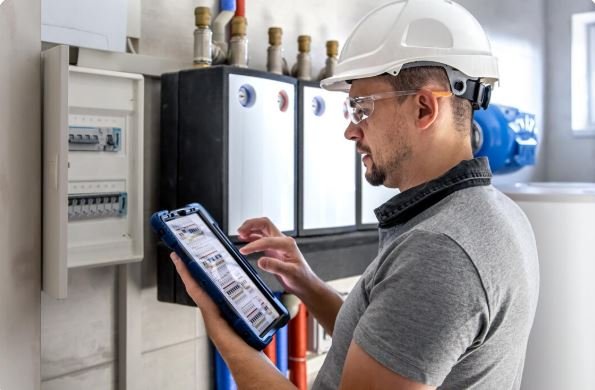
Water heating is one of the most essential utilities in any home or business, yet many property owners continue to rely on traditional tank-style water heaters that consume excess energy and occupy significant space. Tankless water heaters provide an efficient alternative by delivering hot water on demand, eliminating the need for large storage tanks and reducing energy consumption. A properly executed tankless water heater installation ensures not only immediate access to hot water but also long-term cost savings, improved efficiency, and environmental benefits. Understanding the process, benefits, and considerations involved in installing a tankless system is essential for homeowners, contractors, and property managers who aim to enhance comfort, sustainability, and energy efficiency.
Why Choose a Tankless Water Heater
Traditional water heaters store heated water in large tanks, continuously maintaining the water at a set temperature even when it is not being used. This leads to significant energy waste and higher utility bills. Tankless water heaters, also known as on-demand water heaters, heat water only when needed, delivering a continuous supply of hot water without the inefficiencies associated with storage tanks.
One of the key advantages of tankless water heaters is their compact design, which frees up valuable space in homes, apartments, or commercial facilities. Their longevity is another benefit, as high-quality tankless units can last 20 years or more, compared to 10–15 years for conventional storage heaters. Additionally, by reducing energy consumption, these systems lower environmental impact, making them a sustainable choice for energy-conscious homeowners. A professional tankless water heater installation maximizes these benefits by ensuring optimal performance, safety, and efficiency.
Understanding the Types of Tankless Water Heaters
Tankless water heaters are broadly categorized into two types: electric and gas-powered systems. Electric tankless water heaters are ideal for homes with moderate hot water demand and limited space, as they do not require venting and can be installed indoors with relative ease. They provide precise temperature control and are typically easier to maintain.
Gas-powered tankless water heaters, fueled by natural gas or propane, are more suitable for larger homes or commercial spaces with higher water usage. These systems can deliver higher flow rates and maintain consistent temperatures even when multiple outlets are used simultaneously. However, gas-powered units require proper venting and professional installation to ensure safety and compliance with building codes.
Choosing between electric and gas systems depends on factors such as water usage, property size, available fuel sources, and installation requirements. Consulting with a professional ensures that the selected system matches both the household’s needs and the infrastructure of the building.
Planning a Successful Installation
A successful tankless water heater installation begins with careful planning and assessment of the property’s plumbing and electrical systems. Determining the correct size and flow rate is crucial, as undersized units may fail to provide adequate hot water during peak demand, while oversized units result in unnecessary costs.
Flow rate is measured in gallons per minute (GPM), and each faucet, shower, or appliance has specific requirements. By calculating the total demand, homeowners can select a unit that efficiently meets their needs without waste. Additionally, electrical requirements, gas line capacity, and venting systems must be evaluated to ensure the unit operates safely and efficiently. Proper planning lays the foundation for a seamless installation process that maximizes performance and minimizes future complications.
The Step-by-Step Installation Process
The tankless water heater installation process involves several technical steps that must be executed with precision. First, the location for the unit is determined, taking into account accessibility, ventilation, and proximity to water outlets. The water lines are then prepared, with necessary piping modifications or upgrades made to accommodate the new system.
For electric units, the installation requires a dedicated electrical circuit with appropriate amperage to meet the unit’s demands. Gas-powered units necessitate the installation or inspection of gas lines and proper venting to safely release exhaust gases. Once the connections are complete, the unit is mounted and secured, water and power are connected, and the system is tested to ensure proper operation, temperature control, and leak-free performance.
A professional tankless water heater installation ensures that all components are installed according to manufacturer specifications, safety codes, and best practices, minimizing the risk of operational issues or hazards.
While some homeowners may attempt DIY installation, mistakes can compromise efficiency, safety, and longevity. One of the most common errors is undersizing the unit, which can result in insufficient hot water during simultaneous usage of multiple outlets. Incorrect plumbing or electrical connections can also lead to leaks, inefficiency, or even dangerous malfunctions.
Improper venting in gas-powered systems is a critical safety concern. Failing to install proper venting can result in carbon monoxide accumulation, posing a serious health risk. Additionally, neglecting water filtration for hard water areas may cause mineral buildup and reduce the lifespan of the unit. By relying on professional installation, property owners ensure that these risks are minimized and that the system functions optimally.
Maintenance Tips for Longevity and Efficiency
Regular maintenance is essential for preserving the performance and extending the lifespan of a tankless water heater. Flushing the system to remove mineral buildup, especially in areas with hard water, prevents scaling that can reduce efficiency and damage internal components. Checking for leaks, inspecting connections, and monitoring water temperature settings are also part of routine care.
For gas-powered units, inspecting venting systems and ensuring proper gas pressure is critical for safety and operational efficiency. Professional maintenance services can identify potential issues before they become significant problems, reducing the likelihood of unexpected failures and costly repairs. Routine maintenance complements a proper tankless water heater installation and ensures reliable performance for years to come.
Benefits of Professional Installation
Professional installation offers multiple advantages beyond safety and compliance with local codes. Experienced technicians ensure that the unit is sized correctly, installed efficiently, and configured to provide optimal flow rates and temperature control. Proper installation minimizes the risk of leaks, energy inefficiency, and premature wear.
Additionally, professional installers often provide warranties or service agreements, giving homeowners peace of mind that any issues will be addressed promptly. This level of expertise also reduces the likelihood of emergency repairs, which can be both disruptive and costly. By choosing professional installation, property owners maximize the performance, efficiency, and longevity of their tankless water heating system.
Financial and Environmental Advantages
Investing in a tankless water heater and proper installation can result in substantial financial savings over time. By heating water only when needed, these systems consume significantly less energy than traditional tank-style heaters, reducing utility bills. Their longer lifespan also minimizes replacement costs, making them a cost-effective solution for both homes and businesses.
From an environmental perspective, tankless water heaters reduce energy consumption and greenhouse gas emissions, contributing to sustainable living practices. Combining energy efficiency with durability, these systems are a practical choice for homeowners who prioritize both financial savings and environmental responsibility.
Troubleshooting Common Issues
Even with proper installation and maintenance, minor issues may occasionally arise. Common problems include fluctuating water temperatures, reduced flow rates, or error codes displayed on the unit. Many of these issues can be addressed through regular maintenance, such as flushing the system to remove mineral deposits or adjusting temperature settings.
For more complex problems, such as electrical malfunctions or gas line issues, professional technicians should be consulted to ensure safe and effective repairs. Early detection and timely intervention prevent minor issues from developing into major problems, preserving the efficiency and longevity of the system.
Advancements in technology have made tankless water heaters more efficient and user-friendly. Many modern units include smart controls, allowing homeowners to monitor usage, adjust temperature remotely, and receive alerts for maintenance needs. These features enhance convenience and efficiency while providing valuable insights into water consumption patterns.
As energy efficiency standards evolve, upgrading to a newer model can further reduce operating costs and environmental impact. Staying informed about technological advancements and best practices ensures that homeowners continue to benefit from reliable, efficient, and sustainable water heating solutions.
Conclusion: Maximizing Comfort and Efficiency
Tankless water heater installation offers a combination of convenience, efficiency, and long-term savings that traditional tank-style systems cannot match. By understanding the types of units available, planning the installation carefully, and relying on professional expertise, homeowners can ensure a seamless transition to on-demand hot water.
Beyond immediate comfort, a properly installed tankless water heater reduces energy consumption, minimizes maintenance, and provides a reliable source of hot water for years to come. With thoughtful planning, professional installation, and routine maintenance, homeowners can enjoy the full benefits of a modern, efficient water heating system while enhancing the value and sustainability of their property.