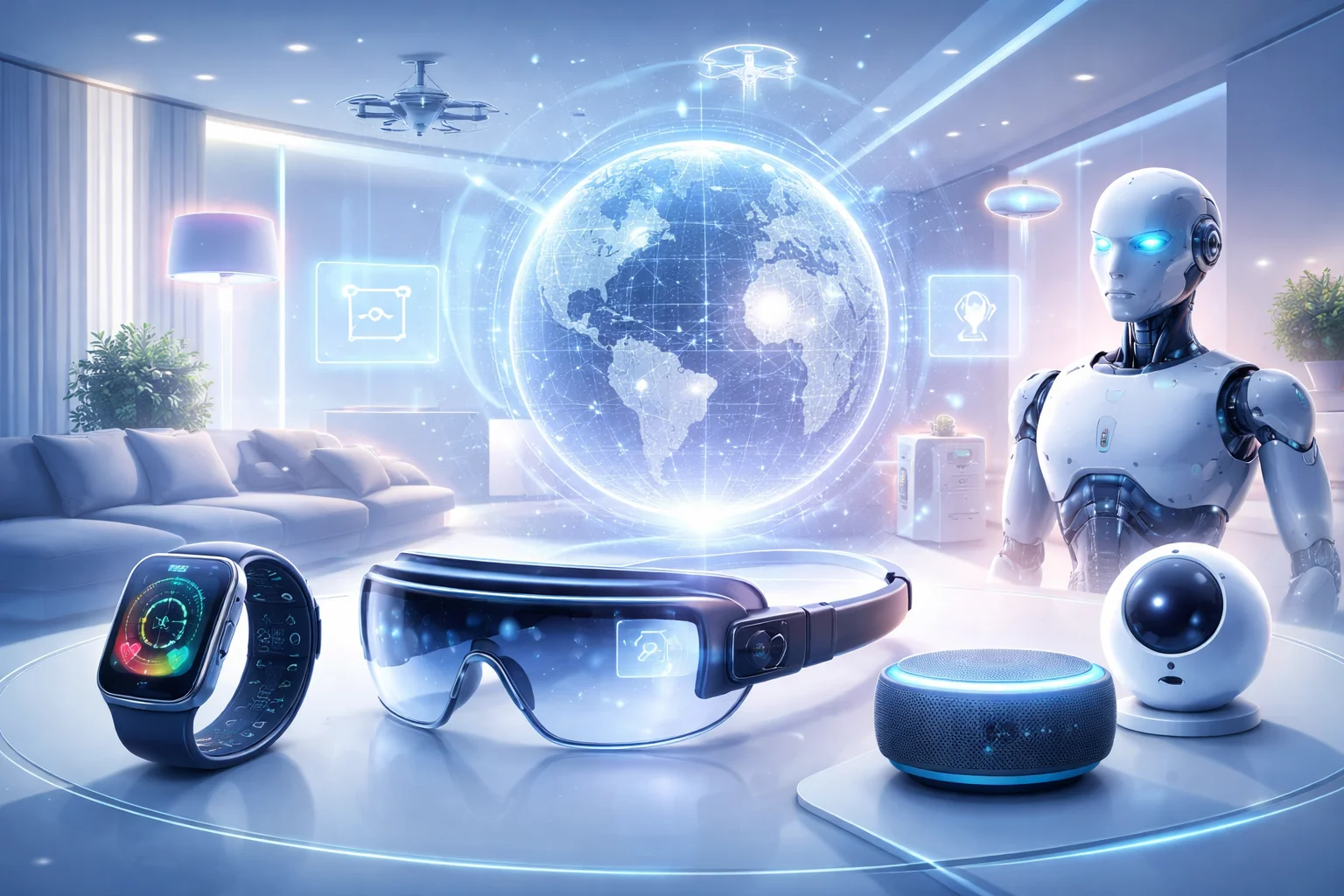
In today’s rapidly evolving technological landscape, tech giants envision future beyond smartphones, aiming to redefine how we interact with digital devices. As the smartphone market reaches saturation, leading companies like Apple, Google, Microsoft, and Amazon are exploring innovative avenues to shape the next generation of technology. This shift is not just about new devices but encompasses a broader transformation in connectivity, user experience, and sustainable practices.
Introduction
The smartphone revolutionized communication and access to information, but as tech giants envision a future beyond smartphones, we stand on the brink of another transformative era. This article delves into the strategic movements of major technology companies as they prepare for a post-smartphone world, exploring emerging technologies and the potential implications for consumers and industries alike.
Tech Giants Leading the Change
Apple’s Vision
Apple has long been a pioneer in consumer technology, and its vision for the future extends beyond smartphones to a more integrated ecosystem. The company is investing heavily in wearable technology, such as the Apple Watch and augmented reality (AR) applications, which suggest a seamless blending of the digital and physical worlds. Apple’s focus on health and wellness through devices like wearables indicates a strategic pivot towards personalized technology.
Google’s Innovations
Google is at the forefront of artificial intelligence (AI) and machine learning, technologies that are set to redefine user interaction. With products like Google Glass and advances in virtual reality (VR), Google is exploring immersive experiences that could one day replace smartphone screens. The company’s commitment to AI-driven solutions suggests a future where technology anticipates and responds to user needs more intuitively than ever before.
Microsoft’s Strategy
Microsoft is leveraging its expertise in software and cloud computing to expand beyond traditional mobile devices. The company is heavily investing in mixed reality with products like the HoloLens, aiming to create a more interactive and collaborative digital environment. This strategy aligns with Microsoft’s broader vision of integrating digital tools into professional and educational settings, enhancing productivity in innovative ways.
Amazon’s New Ventures
Amazon is transforming the consumer experience through the Internet of Things (IoT) and smart home devices. With products like Alexa and Echo, Amazon envisions a future where voice-activated technology seamlessly integrates into daily life, offering convenience and efficiency. Amazon’s push towards a connected home ecosystem represents a significant shift from traditional mobile-centric interactions.
Emerging Technologies
Wearables and Smart Devices
Wearable technology is poised to become a major player in the post-smartphone era. Devices such as smartwatches, fitness trackers, and smart glasses are evolving with enhanced functionality, providing users with real-time data and connectivity without the need for a handheld device. These innovations represent a more personal and accessible form of technology.
Augmented and Virtual Reality
Augmented reality (AR) and virtual reality (VR) are creating immersive experiences that could redefine how we interact with digital content. From gaming to education, AR and VR offer potential applications that extend beyond entertainment, enabling users to engage with information in dynamic and interactive ways.
AI Integration
Artificial intelligence is transforming consumer technology, offering personalized and predictive experiences that adapt to individual preferences. AI’s integration into devices enables smarter decision-making and automation, potentially replacing traditional interfaces with voice and gesture controls. This evolution reflects a shift towards more intuitive and responsive technology.
See also Techforbess com – Features, Services, and What Makes It Popular
Market Trends and Predictions
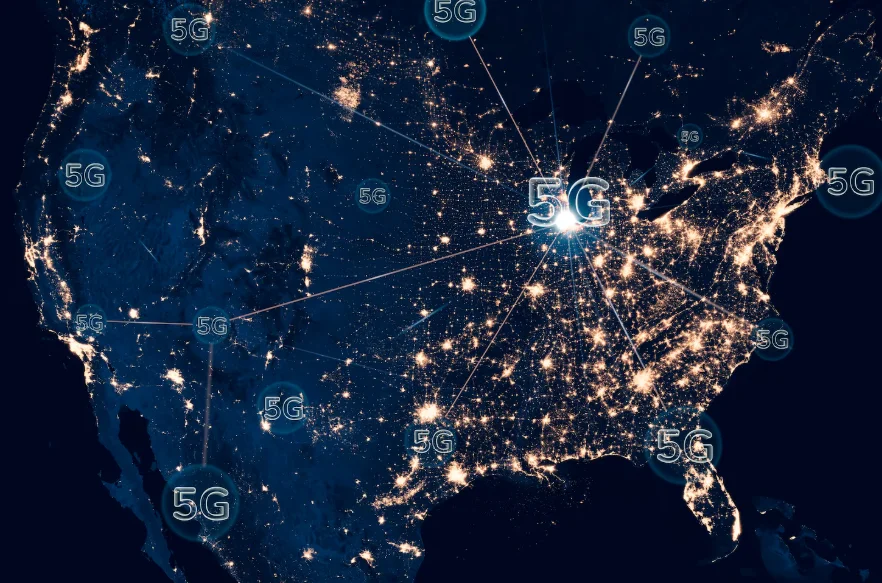
The market is witnessing a surge in demand for technologies that offer advanced connectivity and seamless integration. As companies invest in 5G networks and beyond, the potential for real-time data exchange and low-latency communication grows, paving the way for more sophisticated applications. Industry predictions suggest that the next decade will see exponential growth in wearable technology, AR/VR, and IoT devices, fundamentally altering the tech landscape.
Challenges and Considerations
Privacy Concerns
As technology becomes more integrated into personal spaces, privacy concerns become increasingly significant. Users demand transparency and control over their data, driving companies to address security and ethical considerations in their product offerings. The challenge lies in balancing innovation with user protection.
Technological Barriers
The transition beyond smartphones is not without its hurdles. Technological barriers such as battery life, device miniaturization, and connectivity standards pose challenges that companies must overcome. Innovations in materials science and engineering are crucial to creating more efficient and durable devices.
Ethical Implications and Consumer Impact
As tech giants envision a future beyond smartphones, ethical implications arise, particularly concerning data security and user autonomy. Consumers must adapt to new forms of interaction, shifting from touchscreens to voice and gesture-based interfaces. This evolution may alter daily habits, requiring users to embrace new technologies and adapt to changing environments.
Conclusion and Future Outlook
In conclusion, as tech giants envision future beyond smartphones, they are driving innovation across multiple fronts, from wearables and AR to AI and IoT. This transition promises a more connected and responsive digital experience, though it also presents challenges in privacy and technological development. The future of technology is one of integration and personalization, offering exciting opportunities for both consumers and industries. As we move forward, staying informed and adaptable will be key to navigating this rapidly changing landscape.
FAQ
What are tech companies planning after smartphones? Tech companies are focusing on wearable technology, augmented reality, artificial intelligence, and IoT devices as the next frontier.
How will wearable technology change our lives? Wearables offer real-time data and connectivity, enhancing personal health monitoring and providing seamless interaction with digital environments.
What challenges do tech giants face in moving beyond smartphones? Key challenges include overcoming technological barriers, ensuring data privacy, and fostering consumer adaptation to new interfaces.
Are AR and VR the future of tech? AR and VR have significant potential to transform entertainment, education, and professional sectors by offering immersive and interactive experiences.
How important is AI in the future of technology? AI is crucial for creating personalized and predictive tech experiences, enhancing device functionality and user interaction.
As technology continues to evolve, staying informed about these trends will help individuals and businesses prepare for the future. The post-smartphone era promises to bring about exciting innovations and new ways to engage with the world around us.