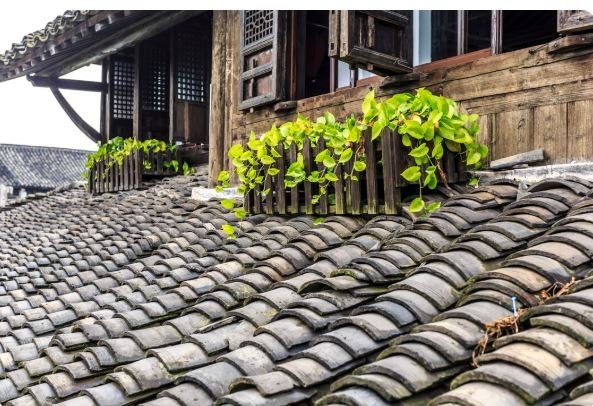
A roof is one of the most essential yet overlooked components of any structure. It shields your property from harsh weather, protects the interior from damage, and contributes significantly to energy efficiency. Despite its importance, many property owners neglect proper maintenance until visible issues arise often when repairs become expensive or unavoidable. This is where the importance of regular roof inspections becomes undeniable.
Understanding the role of inspections goes beyond simply checking for leaks. It involves a comprehensive evaluation of structural integrity, material condition, drainage efficiency, and long-term durability. Whether you own a residential home or manage a commercial building, investing time and attention into your roofing system can save substantial money and prevent unexpected complications.
Understanding the Purpose of Roof Evaluations
At its core, a roof inspection is a preventative measure. Rather than waiting for visible signs of damage, inspections allow professionals to identify early-stage issues that could escalate into major problems. These include minor cracks, loose shingles, compromised flashing, or early water intrusion.
Routine roof inspections help ensure that every component of the roof is functioning as intended. This includes the underlayment, ventilation systems, gutters, and drainage pathways. By identifying weaknesses early, property owners can take corrective action before damage spreads to other parts of the building.
Additionally, inspections provide a clear record of the roof’s condition over time. This documentation can be extremely valuable for insurance claims, property sales, or long-term maintenance planning.
The Financial Benefits of Preventative Maintenance
One of the most compelling reasons to prioritize inspections is cost savings. Minor repairs are significantly less expensive than major renovations or full roof replacements. For example, fixing a small leak early may cost a fraction of what it would take to repair water-damaged ceilings, insulation, and electrical systems later.
Regular roof inspections reduce the likelihood of emergency repairs, which often come with higher labor costs and urgency fees. They also extend the lifespan of roofing materials by ensuring they are properly maintained and not subjected to unnecessary stress.
Furthermore, a well-maintained roof improves energy efficiency. Small gaps or insulation issues can lead to heat loss in winter and excessive heat gain in summer. Addressing these issues early can lower energy bills and create a more comfortable indoor environment.
Many roofing problems develop gradually and remain unnoticed until they cause visible damage. Inspections are designed to catch these hidden issues before they worsen. Some of the most common problems include:Damaged or missing shinglesCracked or deteriorating flashingor inefficient drainage systemsMold or algae growthStructural saggingWater pooling on flat surfaces
These issues may seem minor at first, but they can compromise the entire roofing system if left unaddressed. Professional inspectors use specialized tools and techniques to detect even subtle signs of damage.
Seasonal Considerations for Roof Care
Different seasons bring different challenges for roofing systems. Heavy rainfall, strong winds, extreme heat, and temperature fluctuations can all impact the condition of a roof. Scheduling inspections at strategic times of the year helps ensure that your roof is prepared for upcoming weather conditions.
For instance, inspecting a roof before the rainy season can help identify vulnerabilities that might lead to leaks. Similarly, post-storm inspections are essential for assessing any damage caused by high winds or debris.
Regular roof inspections conducted throughout the year provide a comprehensive understanding of how seasonal changes affect your roof, allowing for timely maintenance and repairs.
The Role of Professional Expertise
While some property owners may attempt to assess their roofs independently, professional inspections offer a level of accuracy and thoroughness that is difficult to achieve without proper training. Roofing professionals are equipped with the knowledge and tools needed to evaluate complex systems and identify potential risks.
They can also provide expert recommendations tailored to the specific type of roof and materials used. This ensures that any repairs or maintenance work is both effective and long-lasting.
Moreover, professional inspectors prioritize safety. Climbing onto a roof can be hazardous, especially without the right equipment or experience. Hiring a qualified expert minimizes risk while ensuring a comprehensive evaluation.
A well-maintained roof significantly enhances the overall value of a property. Prospective buyers are more likely to invest in a building that has a documented history of regular maintenance and inspections. It provides assurance that the property has been cared for and reduces the likelihood of unexpected repair costs after purchase.
In real estate transactions, inspection reports can serve as valuable documentation. They demonstrate transparency and build trust between buyers and sellers. In many cases, a clean inspection report can even justify a higher asking price.
Environmental and Sustainability Benefits
Sustainability is becoming an increasingly important consideration for property owners. Maintaining your roof through regular inspections contributes to environmental responsibility in several ways.
First, it reduces waste by extending the lifespan of roofing materials. Instead of replacing an entire roof prematurely, targeted repairs can address specific issues and keep the existing structure intact.
Second, a well-maintained roof improves energy efficiency, reducing the overall carbon footprint of the building. Proper insulation and ventilation minimize the need for excessive heating or cooling, leading to lower energy consumption.
Finally, inspections can identify opportunities for eco-friendly upgrades, such as reflective coatings or improved insulation systems.
The Importance of Documentation and Record-Keeping
Keeping detailed records of inspections and maintenance activities is an often-overlooked aspect of roof care. Documentation provides a clear history of the roof’s condition and any work that has been performed.
This information is invaluable for long-term planning, allowing property owners to anticipate future maintenance needs and budget accordingly. It also serves as evidence in case of insurance claims, helping to demonstrate that proper care has been taken to maintain the property.
Consistent documentation ensures that no aspect of roof maintenance is neglected and that all issues are addressed in a timely manner.
Knowing when to schedule an inspection is just as important as the inspection itself. While annual inspections are generally recommended, certain situations warrant immediate attention.
These include:After severe weather eventsWhen visible damage is observedBefore buying or selling a propertyIf the roof is approaching the end of its expected lifespanWhen unexplained increases in energy bills occur
Being proactive in scheduling inspections helps prevent minor issues from escalating into major problems.
DIY Checks vs. Professional Inspections
While professional evaluations are essential, property owners can also perform basic visual checks to monitor the condition of their roofs. These checks may include looking for missing shingles, checking gutters for debris, or observing signs of water damage inside the building.
However, these informal assessments should not replace professional roof inspections. Experts have the training and equipment needed to detect issues that may not be visible to the untrained eye.
Combining routine self-checks with professional inspections provides a comprehensive approach to roof maintenance.
Long-Term Planning and Maintenance Strategies
A proactive approach to roof care involves more than just occasional inspections. It requires a long-term strategy that includes regular maintenance, timely repairs, and periodic upgrades.
Creating a maintenance plan helps ensure that all aspects of the roof are addressed consistently. This may include cleaning gutters, sealing minor cracks, replacing damaged materials, and improving insulation.
Regular roof inspections play a central role in this strategy, providing the information needed to make informed decisions about maintenance and repairs.
Avoiding Common Mistakes in Roof Care
Many property owners make the mistake of ignoring minor issues or delaying repairs in an attempt to save money. Unfortunately, this often leads to more significant problems and higher costs in the long run.
Another common mistake is relying solely on visual inspections without seeking professional input. While visible damage is easy to spot, many roofing issues develop beneath the surface and require specialized knowledge to detect.
Overlooking ventilation and drainage systems is another frequent oversight. These components are critical to the overall performance of the roof and should be included in every roof inspection.
Advancements in technology are transforming the way inspections are conducted. Tools such as drones, thermal imaging cameras, and moisture detection devices allow for more accurate and efficient evaluations.
These technologies enable inspectors to identify hidden issues without causing damage to the roof. They also provide detailed data that can be used for analysis and long-term planning.
As technology continues to evolve, roof inspections will become even more precise, helping property owners maintain their roofs with greater confidence and efficiency.
Final Thoughts on Protecting Your Investment
Your roof is a critical component of your property, and its maintenance should never be taken lightly. Regular inspections provide a proactive approach to identifying and addressing issues before they become costly problems.
By investing in consistent roof inspections, you not only protect your property but also enhance its value, improve energy efficiency, and contribute to long-term sustainability. The benefits far outweigh the costs, making inspections an essential part of responsible property ownership.
Taking the time to care for your roof today ensures that it will continue to provide reliable protection for years to come. Whether through professional evaluations or routine maintenance, a proactive approach is the key to preserving the integrity and performance of your roofing system.