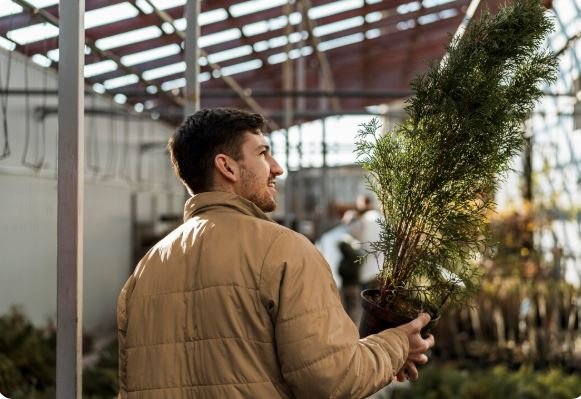
Creating a lush, vibrant environment, whether indoors or outdoors, requires more than simply selecting attractive plants. Proper plant installation is essential to ensure that greenery thrives, integrates seamlessly with the surrounding space, and enhances both aesthetics and functionality. A well-executed installation can transform a garden, commercial landscape, or interior environment into a harmonious, visually appealing space that provides long-term environmental and personal benefits. Professional installation is not only about placing plants in soil; it involves careful planning, environmental assessment, and technical knowledge to create sustainable growth and maximum visual impact. By understanding the role of professional plant installation, property owners can achieve results that are both beautiful and enduring, while avoiding common mistakes that compromise plant health.
The Importance of Professional Plant Installation
The importance of professional plant installation lies in its ability to combine design expertise with horticultural science. While planting flowers, shrubs, or trees may appear straightforward, doing so without proper preparation can result in plants that struggle to survive or fail to achieve the desired aesthetic effect. Skilled installation begins with a thorough evaluation of the site, considering factors such as soil composition, sunlight exposure, drainage, and environmental stressors. Correct positioning ensures that each plant receives adequate light, water, and space to grow, while also contributing to a cohesive and visually appealing design. Without careful planning, plants may face premature decay, stunted growth, or vulnerability to disease and pests, which not only wastes resources but also diminishes the overall impact of the landscaping effort.
Planning and Site Preparation
Successful plant installation starts with careful site assessment and preparation. Soil quality is among the most critical considerations, as its texture, pH, and nutrient content directly influence plant health. Professionals often perform detailed soil testing to determine whether amendments or conditioning are necessary, which can include adding organic matter, adjusting pH, or improving drainage. In addition to soil, sunlight exposure must be evaluated carefully, as different species have varying requirements for direct or indirect light. Water access and irrigation planning are also fundamental, particularly in larger landscapes where consistent hydration is vital. Additionally, environmental factors such as wind exposure, temperature fluctuations, and microclimates can affect plant survival. A comprehensive assessment ensures that plants are placed in optimal conditions from the outset, minimizing stress and maximizing growth potential.
Selecting the Right Plants
Choosing the right plants is another vital aspect of professional plant installation. Selection is determined by a combination of environmental suitability, functional purpose, aesthetic goals, and long-term maintenance requirements. Native species are often recommended due to their resilience and low maintenance needs, but carefully selected non-native plants can also thrive when properly installed. The mature size, shape, and growth habits of each plant must be considered to prevent overcrowding, allow for proper airflow, and create a visually balanced composition. Functional considerations, such as providing shade, acting as windbreaks, supporting pollinators, or enhancing privacy, also influence plant selection. A skilled professional balances these factors to create a landscape that is not only attractive but also sustainable and practical over time.
The Plant Installation Process
The installation process itself is highly structured and requires expertise to avoid stress and damage to the plants. Site preparation includes clearing debris, removing weeds, amending soil, and creating a level, well-drained planting area. Once the site is prepared, plants are positioned according to sunlight, spacing requirements, and design principles, taking care to prevent root damage during handling. Holes are dug to the correct depth and width, soil is carefully backfilled, and roots are stabilized to encourage strong growth. Mulching is often applied to retain moisture, regulate temperature, and suppress weed growth, while irrigation systems are installed or adjusted to meet the water requirements of the newly planted landscape. For taller or delicate plants, staking or additional support structures may be provided to prevent wind or physical damage, and a final inspection ensures that every plant is secure, properly aligned, and ready to thrive.
Benefits of Professional Plant Installation
Professional plant installation offers several advantages that are difficult to achieve with DIY efforts. Firstly, it ensures healthier plants by reducing stress during transplantation and providing the proper soil and environmental conditions. Secondly, it enhances the overall aesthetics of the space, creating a balanced, cohesive landscape that complements the surrounding architecture or interior design. Thirdly, it minimizes long-term maintenance requirements, as plants are installed with proper spacing, irrigation, and support to reduce problems such as overcrowding, disease, or uneven growth. Additionally, professional installation can increase property value by improving curb appeal and creating an environment that attracts and engages visitors or residents. Beyond these tangible benefits, a well-designed landscape contributes to environmental sustainability by improving air quality, supporting local wildlife, reducing soil erosion, and providing natural cooling and shading benefits.
Common Challenges in Plant Installation
Despite careful planning and professional execution, challenges may arise during plant installation. Poor soil quality, incorrect placement, pest infestations, or extreme weather conditions can compromise the health of newly installed plants. Skilled professionals anticipate these challenges and implement preventive measures such as soil conditioning, pest control, and temporary protective structures to mitigate potential damage. Choosing plant species adapted to the local climate and carefully monitoring the environment during the initial growth phase further ensures long-term success. Proper attention during installation prevents many problems that might otherwise require costly intervention or replacement.
Maintenance After Installation
Ongoing maintenance following installation is crucial to ensure that plants continue to thrive. Regular watering and irrigation management, seasonal pruning, fertilization, pest and disease monitoring, and soil care are essential components of a long-term care plan. Mulching should be replenished as needed, and irrigation systems adjusted to seasonal changes. Even minor neglect can stress plants, leading to poor growth or increased susceptibility to pests and diseases. By combining professional installation with consistent maintenance, property owners can enjoy a vibrant, sustainable landscape for years.
Choosing the Right Installation Provider
Selecting a reliable provider for plant installation is critical to achieving successful results. Experience and expertise in horticulture, knowledge of local conditions, and a proven track record are essential criteria when choosing a professional. Reviewing portfolios, client testimonials, and references can provide confidence in the provider’s capability to execute complex installations. Comprehensive services that include design consultation, installation, and maintenance support are especially valuable, as they ensure continuity and care throughout the lifecycle of the plants. Communication and transparency are also essential, allowing property owners to understand the process, costs, and care requirements for their investment.
Conclusion
Professional plant installation is a meticulous, science-based process that transforms ordinary spaces into thriving, visually appealing environments. By combining thoughtful planning, expert selection of plant species, proper soil preparation, strategic placement, and ongoing maintenance, professionals create landscapes that flourish and provide lasting benefits. The advantages extend beyond aesthetics, offering functional improvements, environmental benefits, and increased property value. Whether for a residential garden, a commercial landscape, or an interior green space, professional plant installation ensures that greenery not only survives but thrives, contributing to a harmonious, sustainable environment that enhances everyday life. A well-executed installation represents a long-term investment in both beauty and functionality, providing enjoyment, environmental support, and tangible value for years to come.