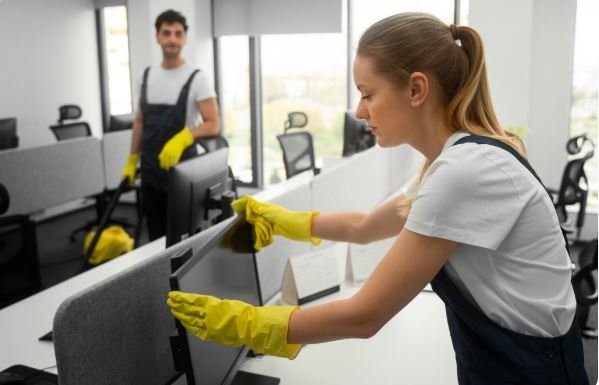
Understanding the Importance of Clean Workspaces
Cleanliness in any business environment is not just about appearance; it is a fundamental part of health, productivity, and overall operational efficiency. A well-maintained workplace reflects professionalism, improves employee morale, and creates a positive impression on clients and visitors. In contrast, unclean or poorly maintained environments can lead to health risks, reduced productivity, and damage to a company’s reputation.
Modern businesses operate in highly competitive environments where every detail matters. From customer service to workplace hygiene, everything contributes to how a company is perceived. Clean environments help build trust and confidence, which are essential for long-term success. This is why structured cleaning systems have become an integral part of business operations across industries.
The Connection Between Cleanliness and Productivity
A clean workspace directly influences employee performance and productivity. When work areas are cluttered or dirty, employees often feel distracted, uncomfortable, and less motivated. On the other hand, organized and hygienic environments promote focus, efficiency, and a sense of well-being.
Dust-free surfaces, sanitized restrooms, and properly maintained common areas reduce the spread of germs and illnesses. This leads to fewer sick days and a healthier workforce overall. Employees are more likely to perform better when they feel that their workplace is safe and well-maintained.
Professional cleaning systems ensure that every part of the workspace is regularly maintained. This consistency is essential for creating an environment where employees can focus entirely on their tasks without worrying about hygiene issues or clutter.
Health and Safety Benefits in Professional Environments
Health and safety are among the most important reasons for maintaining cleanliness in business spaces. Offices, retail spaces, and industrial environments can quickly become breeding grounds for bacteria and viruses if not properly cleaned.
High-touch surfaces such as desks, door handles, shared equipment, and restrooms require regular disinfection. Without proper cleaning routines, these areas can contribute to the spread of illness among employees and visitors.
This is where commercial cleaning becomes essential. It ensures that all critical areas are thoroughly cleaned and sanitized using professional-grade equipment and cleaning agents. This reduces health risks and creates a safer environment for everyone within the workspace.
In addition to hygiene, cleanliness also helps prevent workplace accidents. Spills, cluttered walkways, and poorly maintained floors can lead to slips, trips, and falls. Regular cleaning helps eliminate these hazards and ensures compliance with safety standards.
Professional Image and Business Reputation
First impressions matter significantly in business. When clients or customers enter a clean and well-organized space, they are more likely to perceive the company as professional, trustworthy, and detail-oriented. On the other hand, a dirty or disorganized environment can create a negative impression that is difficult to reverse.
A company’s physical environment often reflects its internal values and standards. Cleanliness communicates discipline, care, and professionalism. It shows that the business pays attention to detail and values both employees and clients.
Many organizations invest in commercial cleaning to maintain a consistent and polished image. This investment plays a crucial role in shaping customer perception and building long-term trust. A clean environment not only attracts customers but also encourages repeat business and positive word-of-mouth recommendations.
The Role of Specialized Cleaning Techniques
Modern cleaning goes far beyond basic sweeping and dusting. It involves advanced techniques, equipment, and cleaning solutions designed to handle different types of environments. Offices, healthcare facilities, retail spaces, and industrial sites all require different cleaning approaches.
Professional cleaning teams are trained to use specialized equipment such as industrial vacuum systems, floor polishers, and disinfectant sprayers. These tools allow for deeper and more effective cleaning compared to standard methods.
In many cases, commercial cleaning includes tasks such as carpet cleaning, window washing, upholstery maintenance, and deep sanitization of high-risk areas. Each of these tasks requires specific expertise to ensure proper execution and safety.
The use of environmentally friendly cleaning products has also become increasingly important. Many businesses now prefer eco-friendly solutions that reduce environmental impact while maintaining high hygiene standards.
Cost Efficiency and Long-Term Value
While some businesses may view professional cleaning as an additional expense, it actually provides significant long-term financial benefits. Regular maintenance helps extend the life of office furniture, flooring, and equipment by preventing wear and damage caused by dirt and neglect.
Replacing carpets, repairing flooring, or restoring damaged furniture can be far more expensive than maintaining them regularly. Proper cleaning helps avoid these unnecessary costs and preserves the value of workplace assets.
Outsourcing cleaning services also reduces the need for in-house cleaning staff, training, and equipment purchases. This allows businesses to allocate resources more efficiently and focus on core operations.
Investing in commercial cleaning is ultimately a cost-effective decision that improves both financial efficiency and workplace quality over time.
Customization and Flexibility in Cleaning Services
Every business has unique cleaning requirements depending on its size, industry, and operational schedule. Professional cleaning services offer flexible solutions that can be tailored to meet specific needs.
Some businesses require daily cleaning, while others may only need periodic deep cleaning. Similarly, certain environments such as healthcare or food-related industries require more stringent hygiene standards compared to standard office spaces.
Professional cleaning providers design customized plans that align with business operations. This ensures that cleaning activities do not disrupt daily workflow while maintaining consistent hygiene standards.
The flexibility offered by commercial cleaning services allows businesses of all sizes to maintain cleanliness without compromising productivity or efficiency.
Technology and Innovation in Modern Cleaning Practices
The cleaning industry has evolved significantly with advancements in technology. Automated cleaning systems, smart scheduling tools, and data-driven maintenance plans are now being used to improve efficiency and effectiveness.
Modern equipment allows for faster cleaning with better results. For example, high-efficiency vacuum systems capture more dust and allergens, while advanced disinfecting tools ensure deeper sanitization.
Technology also helps optimize cleaning schedules based on usage patterns. This ensures that high-traffic areas receive more frequent attention while less-used spaces are maintained appropriately.
These innovations have made commercial cleaning more efficient, reliable, and adaptable to modern business needs.
Environmental Responsibility and Sustainability
Sustainability has become an important consideration in all aspects of business operations, including cleaning. Many organizations are now adopting eco-friendly cleaning practices to reduce their environmental impact.
This includes using biodegradable cleaning products, reducing water waste, and implementing energy-efficient cleaning equipment. Sustainable practices not only protect the environment but also create healthier indoor spaces for employees and customers.
Professional cleaning providers are increasingly incorporating green cleaning solutions into their services. This ensures that businesses can maintain high hygiene standards while supporting environmental responsibility.
Employee Well-being and Workplace Satisfaction
A clean and organized workplace has a direct impact on employee satisfaction. When employees work in a hygienic environment, they feel more valued and motivated. Clean surroundings also reduce stress and improve mental clarity.
Workplace cleanliness contributes to a positive organizational culture. Employees are more likely to take pride in their work and maintain better personal organization when their environment is clean and well-maintained.
Regular cleaning routines supported by commercial cleaning services help create a consistent and pleasant working atmosphere, which ultimately improves employee retention and productivity.
Conclusion
Cleanliness is a fundamental aspect of any successful business environment. It influences productivity, health, safety, and overall brand perception. Maintaining a clean workspace is not just about appearance; it is about creating a functional and efficient environment where employees and customers feel comfortable and valued.
Professional cleaning solutions provide the structure, expertise, and consistency needed to maintain high standards of hygiene. By investing in reliable services, businesses can ensure long-term benefits including improved efficiency, reduced costs, and enhanced reputation.
The role of commercial cleaning extends beyond basic maintenance. It supports business growth, employee well-being, and customer satisfaction. As workplaces continue to evolve, maintaining cleanliness will remain a critical factor in achieving long-term success and sustainability.