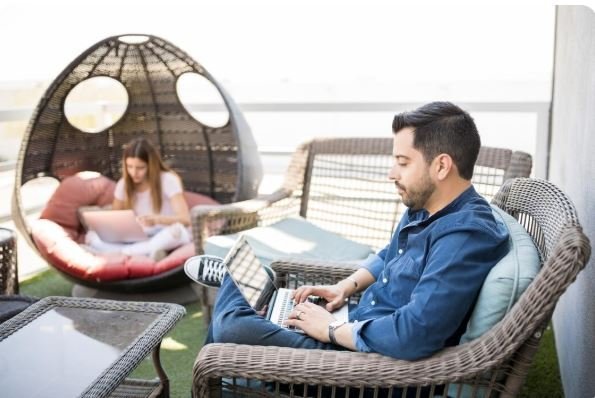
Introduction to Modern Outdoor Living Spaces
Outdoor living has become an essential part of modern lifestyles, offering a perfect balance between relaxation and functionality. Homeowners are increasingly looking for ways to extend their living space beyond interior walls while still maintaining comfort and protection from environmental elements. One of the most practical and stylish solutions for achieving this balance is the addition of screen rooms, which provide a semi-enclosed area that blends the outdoors with indoor convenience.
These structures are designed to allow fresh air and natural light to enter while keeping out insects, debris, and harsh environmental conditions. As a result, they create a comfortable and versatile space that can be used for various purposes, from relaxing with family to entertaining guests. Understanding the features, benefits, and long-term value of such spaces can help homeowners make informed decisions when upgrading their outdoor areas.
Understanding the Purpose of Screened Outdoor Spaces
The main purpose of a screened outdoor space is to create a protected environment that maintains a connection with nature. Unlike fully enclosed rooms, these areas are designed to remain open and airy while offering protection from common outdoor nuisances such as insects, falling leaves, and dust.
This balance between openness and protection is what makes screen rooms so appealing. They allow individuals to enjoy outdoor views and fresh air without dealing with discomfort or constant maintenance. Whether used for dining, reading, or simply relaxing, these spaces provide a peaceful and enjoyable environment that enhances daily living.
In addition to comfort, these structures also help protect outdoor furniture and flooring from excessive exposure to the elements, extending their lifespan and reducing maintenance costs over time.
Key Benefits of Screened Living Areas
One of the most significant advantages of screen rooms is improved comfort. By keeping insects and debris out, they create a cleaner and more enjoyable environment. This makes it easier to spend extended periods outdoors without interruptions or discomfort.
Another important benefit is increased usability of outdoor space. Without protection, weather conditions and pests can limit how often a patio or deck is used. With a screened enclosure, the space becomes more functional and accessible throughout different seasons.
Energy efficiency is another advantage. These spaces can help reduce direct sunlight exposure to adjacent indoor areas, which may contribute to maintaining more stable indoor temperatures. This can lead to reduced reliance on cooling systems and improved energy efficiency.
Privacy is also enhanced. While still open to the outdoors, the screened structure creates a defined boundary that offers a sense of seclusion and comfort, making it ideal for relaxation or social gatherings.
Design Options and Structural Features
Modern screen rooms come in a variety of designs and configurations to suit different architectural styles and personal preferences. Some are built as extensions of existing patios or decks, while others are fully integrated into the structure of the home.
The framing is typically constructed from durable materials such as aluminum or treated wood, which provide strength and stability while resisting environmental wear. The screens themselves are made from specialized mesh that allows airflow and visibility while blocking insects and debris.
Customization options include different roof styles, flooring materials, and screen types. Homeowners can choose from simple designs for basic functionality or more elaborate setups that include ceiling fans, lighting, and decorative elements. This flexibility makes it easy to create a space that meets both practical needs and aesthetic preferences.
Installation Process and Planning Considerations
Installing a screened outdoor space requires careful planning to ensure that it fits seamlessly with the existing structure and meets functional requirements. The process typically begins with evaluating the available space and determining the best layout for the enclosure.
Measurements are taken to ensure a precise fit, and the design is selected based on the intended use of the space. Factors such as sunlight exposure, ventilation, and accessibility are considered during the planning stage.
Once the design is finalized, the frame is constructed and securely anchored. The screening material is then installed, followed by any additional features such as doors, lighting, or ceiling elements. Professional installation is often recommended to ensure structural stability and long-term durability.
Maintenance and Long-Term Care
Although screen rooms are designed to be low maintenance, regular care is important to keep them in good condition. Cleaning the screens periodically helps remove dust, pollen, and other particles that may accumulate over time. This can be done using mild soap and water.
Inspecting the frame for signs of wear, damage, or loose fittings is also important. Addressing minor issues early can prevent more significant problems later. In areas with heavy vegetation, trimming nearby plants can help prevent debris from damaging the screens.
Proper maintenance ensures that the space remains clean, functional, and visually appealing for many years, making it a reliable addition to any home.
Enhancing Lifestyle and Daily Living
One of the most appealing aspects of screen rooms is their ability to enhance everyday life. These spaces provide a comfortable environment for a wide range of activities, from morning coffee to evening gatherings. They offer a peaceful retreat where individuals can relax and enjoy the outdoors without common disturbances.
Families often use these spaces for dining, entertainment, or as a play area for children. The protective barrier allows for safe and enjoyable use, making it a versatile addition to any household.
In addition to personal use, these areas can also serve as a welcoming space for guests, creating a comfortable and inviting atmosphere for social interactions.
Cost Considerations and Long-Term Value
The cost of adding a screened outdoor space can vary depending on factors such as size, design complexity, and materials used. While the initial investment may seem significant, the long-term benefits often outweigh the cost.
Reduced maintenance, extended lifespan of outdoor furniture, and increased usability of space all contribute to long-term savings. Additionally, the added functionality and aesthetic appeal can increase property value, making it a worthwhile investment.
When considering the overall value, screen rooms provide both practical and financial benefits that enhance the overall living experience.
Common Misconceptions About Screened Spaces
There are several misconceptions about screened outdoor spaces that may prevent some homeowners from considering them. One common belief is that they block airflow and make the space feel enclosed. In reality, these structures are designed to maximize ventilation while providing protection.
Another misconception is that they require extensive maintenance. While some upkeep is necessary, modern materials are designed for durability and ease of care.
Some people also assume that screened areas limit design possibilities. However, with a wide range of customization options available, it is possible to create a space that matches any style or preference.
Future Trends in Outdoor Living Design
As outdoor living continues to evolve, screen rooms are becoming more advanced and versatile. New materials and technologies are improving durability, visibility, and resistance to environmental factors. Retractable screens and modular designs are also gaining popularity, offering greater flexibility in how the space is used.
Sustainability is another growing focus, with eco-friendly materials and energy-efficient designs becoming more common. These innovations are helping homeowners create outdoor spaces that are both functional and environmentally responsible.
Conclusion
Screen rooms offer a perfect balance between indoor comfort and outdoor freedom, making them an excellent addition to modern homes. By providing protection from insects and debris while allowing fresh air and natural light to flow freely, they create a comfortable and versatile living space.
With benefits such as reduced maintenance, improved usability, and enhanced property value, these structures provide long-term value and convenience. Whether used for relaxation, entertainment, or daily activities, screen rooms transform outdoor areas into functional and enjoyable spaces that can be used year-round.