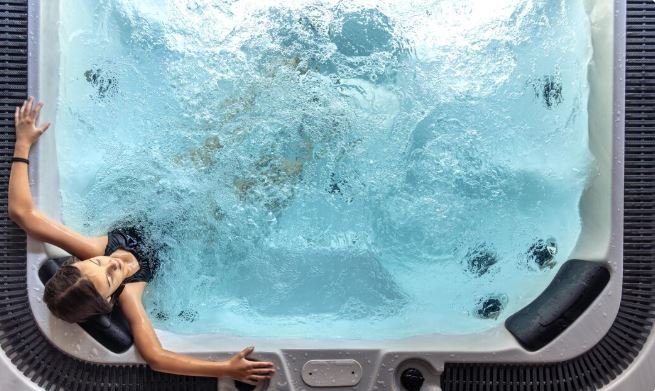
Introduction to Hot Tub Protection and Efficiency
A hot tub is more than just a luxury feature; it is an investment in comfort, relaxation, and wellness. Whether used for hydrotherapy, stress relief, or social gatherings, maintaining a hot tub in optimal condition requires attention to both water quality and system efficiency. One of the most important yet often overlooked components of proper maintenance is the use of hot tub covers, which play a crucial role in protecting the spa and ensuring long-term performance.
Without proper coverage, a hot tub is constantly exposed to environmental elements such as dust, leaves, insects, and changing weather conditions. These factors not only affect water cleanliness but also increase energy consumption and wear on internal components. Understanding how covers function and why they are essential can help users protect their investment and enhance their overall spa experience.
The Importance of Proper Coverage for Hot Tubs
The primary function of hot tub covers is to act as a barrier between the spa and the external environment. This barrier helps keep unwanted debris out of the water, reducing the need for frequent cleaning and chemical adjustments. By maintaining a cleaner environment, the overall maintenance process becomes more manageable and efficient.
Another critical role of these covers is heat retention. Hot tubs rely on consistent temperatures to provide comfort, and without a cover, heat can escape rapidly. This leads to increased energy usage as the heating system works harder to maintain the desired temperature. High-quality hot tub covers are designed with insulating materials that trap heat effectively, helping reduce energy costs and improve efficiency.
Safety is also a significant consideration. Covers provide a protective layer that helps prevent accidental falls into the hot tub, especially for children and pets. This added level of security makes them an essential accessory for responsible hot tub ownership.
Types of Covers and Their Unique Features
There are several types of covers available, each offering different benefits depending on user needs. Standard insulated covers are among the most popular options due to their balance of durability and efficiency. These covers typically feature a foam core that provides strong insulation while remaining lightweight enough for easy handling.
Hard covers are designed for maximum strength and durability. They are often reinforced to withstand heavy loads and harsh environmental conditions. These are ideal for users who prioritize long-term reliability and added protection.
Soft covers are more flexible and lightweight, making them easier to manage. While they may not offer the same level of insulation as rigid options, they are suitable for temporary or seasonal use.
Automated covers represent a more advanced option, offering convenience and ease of use. With minimal effort required to open and close them, these systems are ideal for frequent users who value accessibility and efficiency.
Materials and Construction Quality
The effectiveness of hot tub covers depends largely on the materials used in their construction. Most high-quality covers feature a dense foam core that provides insulation and structural support. This core is typically wrapped in a moisture-resistant layer that prevents water absorption and maintains durability.
The outer surface is often made from heavy-duty vinyl or similar materials designed to withstand exposure to sunlight, rain, and temperature fluctuations. Reinforced stitching and strong seams further enhance durability, ensuring that the cover remains intact over time.
Additional features such as locking straps, handles, and reinforced edges improve both functionality and safety. These elements help secure the cover in place and make it easier to handle during regular use.
Benefits of Using High-Quality Covers
One of the most significant benefits of hot tub covers is improved energy efficiency. By reducing heat loss, they help maintain a consistent water temperature without excessive energy consumption. This not only lowers utility costs but also contributes to more sustainable energy use.
Another advantage is reduced maintenance. By keeping debris out of the water, covers minimize the need for cleaning and chemical adjustments. This helps maintain water clarity and extends the life of filtration systems.
Durability is also an important factor. High-quality covers are designed to withstand environmental stress, ensuring long-term performance and reducing the need for frequent replacements.
Proper Installation and Fit
For a cover to function effectively, it must fit properly. A poorly fitted cover can allow heat to escape and debris to enter, reducing its efficiency. Accurate measurements are essential to ensure a snug and secure fit.
Installation involves placing the cover over the hot tub and securing it with straps or locking mechanisms. These features help keep the cover in place, even during strong winds or adverse weather conditions.
Professional assistance may be beneficial when selecting and installing a cover, especially for custom or uniquely shaped hot tubs. Proper installation ensures that the cover performs as intended and provides maximum benefits.
Maintenance Practices for Long-Term Use
Although hot tub covers are designed for durability, regular maintenance is necessary to keep them in optimal condition. Cleaning the surface with mild soap and water helps remove dirt, dust, and chemical residue.
Inspecting the cover for signs of wear, such as cracks or tears, is also important. Addressing minor issues early can prevent more significant damage and extend the lifespan of the cover.
Allowing the cover to dry completely before placing it back on the hot tub helps prevent mold and mildew growth. Proper storage during periods of non-use can also help maintain its quality.
By following these maintenance practices, users can ensure that their covers remain effective and reliable over time.
Energy Efficiency and Cost Savings
Energy efficiency is one of the most important advantages of using hot tub covers. Without proper insulation, heat escapes quickly, forcing the heating system to work harder and increasing energy consumption.
Covers help retain heat, reducing the need for constant reheating. This results in lower energy bills and more efficient operation. Over time, the savings generated by improved efficiency can offset the initial cost of the cover.
In addition to energy savings, reduced maintenance and extended equipment lifespan contribute to overall cost efficiency, making covers a practical investment.
Common Misconceptions About Covers
There are several misconceptions about hot tub covers that can lead to improper usage. One common belief is that any cover will provide adequate protection. In reality, the quality and fit of the cover are critical factors in its effectiveness.
Another misconception is that covers do not require maintenance. While they are designed for durability, regular cleaning and inspection are necessary to ensure optimal performance.
Some users also believe that covers are only needed during certain seasons. However, year-round use is essential for maintaining water quality and energy efficiency.
Innovations and Future Trends
Advancements in materials and design are improving the performance of hot tub covers. New insulation technologies are making covers lighter while maintaining high levels of heat retention. This improves ease of use without sacrificing efficiency.
Automated systems and smart features are also becoming more common, offering greater convenience and control. These innovations make it easier to manage the cover and maintain the hot tub.
Sustainability is another growing focus, with manufacturers exploring eco-friendly materials and production methods. These developments are helping create more environmentally responsible products.
Conclusion
Hot tub covers are an essential component of effective spa maintenance, providing protection, energy efficiency, and long-term durability. By preventing heat loss, reducing debris, and enhancing safety, they play a vital role in maintaining the performance of the hot tub.
Choosing the right cover, ensuring proper installation, and following regular maintenance practices can significantly improve the overall spa experience. With their ability to reduce costs and enhance convenience, hot tub covers are a valuable investment for anyone looking to maintain a high-quality and efficient hot tub system.