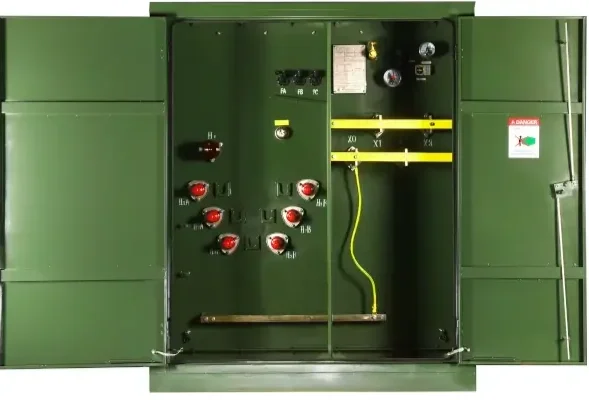
Three-phase pad-mounted transformers are essential components in modern electrical distribution networks, providing reliable and efficient power supply to residential, commercial, and industrial areas. These transformers are designed to operate outdoors, safely enclosed in a lockable, weatherproof pad-mounted housing, making them ideal for urban and suburban installations where overhead lines are not feasible. Understanding the performance of these transformer systems is crucial for optimizing power distribution, minimizing energy losses, and ensuring long-term reliability.
This article explores the design, functionality, performance analysis, benefits, and maintenance considerations of three-phase pad-mounted transformer systems.
Understanding Three-Phase Pad Mounted Transformers
Three-phase pad-mounted transformers are a type of distribution transformer used to step down medium voltage electricity from the distribution network to low voltage suitable for customer use. Unlike pole-mounted transformers, pad-mounted units are installed at ground level in secure enclosures.
Components of a Pad-Mounted Transformer
A typical pad-mounted transformer consists of the following key components:
- Transformer Core and Windings: Convert voltage levels efficiently with minimal energy loss.
- Tank and Enclosure: Provides a weatherproof and tamper-resistant housing for the transformer, usually filled with insulating oil.
- High Voltage and Low Voltage Bushings: Allow safe connections to distribution lines and customer circuits.
- Protective Devices: Include fuses and surge arresters to prevent damage from overcurrents and lightning strikes.
- Grounding System: Ensures safety by dissipating fault currents into the earth.
Functionality
Three-phase pad-mounted transformers operate by using electromagnetic induction to transfer electrical energy from high-voltage primary circuits to low-voltage secondary circuits. They are designed to handle unbalanced loads, provide stable voltage output, and integrate seamlessly with underground distribution networks.
Performance Analysis Metrics
Assessing the performance of pad-mounted transformer systems requires a comprehensive analysis of several operational parameters.
Efficiency
Transformer efficiency is a measure of how effectively electrical energy is converted from primary to secondary circuits without excessive losses. It is typically expressed as a percentage:
- Load Losses (Copper Losses): Energy lost due to the resistance of transformer windings, increasing with load current.
- No-Load Losses (Core Losses): Energy lost in the transformer core due to magnetic hysteresis and eddy currents, occurring even when the transformer is idle.
High-efficiency transformers minimize both load and no-load losses, reducing operational costs and environmental impact.
Voltage Regulation
Voltage regulation refers to the ability of a transformer to maintain a stable output voltage under varying load conditions. Poor voltage regulation can result in fluctuating voltages, affecting sensitive equipment and reducing system reliability. Ideal pad-mounted transformers have low voltage drop across varying loads.
Load Handling and Capacity
The load-handling capability of a transformer determines how much electrical demand it can support continuously without overheating. Three-phase pad-mounted transformers are rated in kilovolt-amperes (kVA) and must be selected based on maximum expected load plus a safety margin. Overloading can lead to overheating, reduced lifespan, and increased energy losses.
Thermal Performance
Temperature management is crucial for pad-mounted transformers, as excessive heat accelerates insulation degradation and reduces efficiency. Monitoring thermal performance involves assessing:
- Ambient temperature conditions
- Load-related temperature rise in windings
- Cooling efficiency of the transformer oil and enclosure
Effective thermal management ensures longevity and reliable performance.
Reliability and Fault Tolerance
The performance of a transformer system is also evaluated based on its ability to withstand electrical faults, environmental stress, and operational wear:
- Short Circuit Withstand: Ability to survive brief but severe overcurrent conditions.
- Lightning and Surge Protection: Effectiveness of surge arresters in mitigating voltage spikes.
- Mechanical Durability: Enclosure strength against vandalism or weather-related impacts.
Benefits of Three-Phase Pad-Mounted Transformers
Pad-mounted transformers offer several advantages for modern power distribution systems:
Safety
- Fully enclosed design minimizes the risk of electrical contact for personnel and the public.
- Grounding systems ensure that fault currents are safely dissipated.
Space Efficiency
- Ground-level installation eliminates the need for tall poles, reducing visual clutter and increasing urban aesthetics.
- Compact design allows installation in tight urban spaces or residential neighborhoods.
Reliability and Low Maintenance
- Enclosures protect internal components from weather, dust, and vandalism.
- Fewer moving parts and durable design minimize maintenance needs.
Flexibility in Distribution
- Suitable for underground distribution networks in areas where overhead lines are impractical.
- Can be configured for delta or wye connections to meet specific load and network requirements.
Energy Efficiency
- Modern pad-mounted transformers are designed to minimize copper and core losses, reducing electricity wastage and operational costs.
Performance Optimization Techniques
To ensure optimal performance, three-phase pad-mounted transformers can benefit from several techniques:
Proper Sizing and Load Assessment
- Correctly sizing the transformer to meet expected load demands prevents overloading and voltage drops.
- Load analysis ensures that the transformer operates within its rated capacity for maximum efficiency.
Regular Maintenance and Monitoring
- Periodic inspection of oil levels, bushings, and grounding connections helps maintain performance.
- Thermal imaging and electrical testing detect hotspots and potential issues before they cause failure.
Voltage and Harmonic Management
- Installing surge arresters and filters reduces voltage spikes and harmonic distortions.
- Proper load balancing across phases improves voltage stability and minimizes losses.
Environmental Considerations
- Adequate ventilation and positioning away from extreme heat sources improve cooling efficiency.
- Corrosion-resistant enclosures extend service life, particularly in humid or coastal regions.
Integration with Smart Grid Technologies
- Real-time monitoring sensors can provide data on load, temperature, and fault conditions.
- Integration with advanced distribution management systems (ADMS) allows predictive maintenance and automated load adjustments.
Conclusion
Three-phase pad-mounted transformers are critical components of modern electrical distribution systems, providing safe, efficient, and reliable power. Performance analysis of these systems involves evaluating efficiency, voltage regulation, load capacity, thermal performance, and reliability. Proper design, installation, and maintenance practices ensure optimal operation, reduce energy losses, and extend transformer lifespan.
By implementing advanced monitoring, load management, and protective measures, electrical utilities and facility managers can optimize the performance of pad-mounted transformer systems. This not only ensures continuous, stable power delivery but also enhances safety, reduces operational costs, and supports sustainable energy management.
For urban and suburban power networks, investing in high-quality pad-mounted transformers and adopting a structured performance analysis approach is a strategic step toward achieving reliable and efficient electrical distribution.