Plumbing systems are a fundamental part of every modern structure, ensuring that clean water is delivered efficiently and wastewater is removed safely. Despite being hidden behind walls and beneath floors, these systems directly influence health, hygiene, comfort, and overall quality of life. From residential homes to large commercial buildings, every space depends on a well-designed plumbing network that functions consistently without interruption. When problems arise, they can quickly disrupt daily routines and even cause structural damage if not addressed properly. This is where the expertise of a Plumber becomes essential, as professional knowledge ensures that issues are diagnosed accurately and resolved efficiently before they escalate into costly repairs.
A properly functioning plumbing system is not just about convenience; it is about safety and long-term sustainability. Water supply systems must remain clean and uncontaminated, while drainage systems must operate smoothly to prevent blockages and backups. Over time, wear and tear, corrosion, pressure fluctuations, and improper usage can affect performance. Without regular inspection and maintenance, even a minor fault can grow into a major issue. Understanding how these systems work and why skilled intervention matters helps property owners make better decisions regarding maintenance and repairs.
Structure and Function of Modern Plumbing Systems
Modern plumbing systems are carefully engineered networks designed to manage water distribution and waste removal simultaneously. They consist of supply lines, drainage pipes, vent systems, valves, fixtures, storage tanks, and filtration units. Each component plays a specific role in maintaining balance and efficiency within the system. Clean water enters a building under controlled pressure, while wastewater exits through separate pipelines to prevent contamination.
The design of these systems follows strict engineering and health standards. Separation of potable water from waste systems is critical to avoid health risks. Vent pipes regulate air pressure, ensuring that wastewater flows smoothly without creating suction or pressure buildup. Fixtures such as sinks, showers, and toilets depend on this balance to function properly. Even a small disruption in one section of the system can affect the entire network.
As construction technology evolves, plumbing systems are becoming more advanced and efficient. Materials such as PVC, copper, and PEX are widely used for their durability and resistance to corrosion. Smart water systems and sensors are also being introduced to detect leaks and monitor usage, helping reduce water wastage and improve efficiency.
Importance of Professional Expertise in System Maintenance
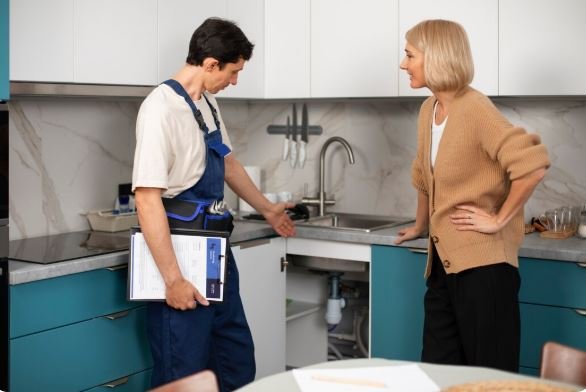
Maintaining a plumbing system requires technical understanding, practical experience, and the right tools. While some minor issues may appear simple, they often have underlying causes that are not visible without proper inspection. A trained Plumber understands how to identify these hidden problems and address them effectively.
Professional expertise ensures that installations are carried out correctly from the beginning. Poor installation can lead to recurring leaks, inefficient water flow, and increased maintenance costs over time. Experts follow industry standards and safety protocols, ensuring that every connection is secure and every component functions as intended.
In addition to repairs and installations, professionals also provide valuable guidance on system optimization. This includes recommending suitable materials, improving water efficiency, and suggesting preventive measures to avoid future issues. Their experience allows them to quickly diagnose complex problems that would otherwise take much longer to identify through trial and error.
Common Issues Affecting Plumbing Performance
Plumbing systems face a variety of issues over time due to continuous use and environmental factors. One of the most frequent problems is leakage. Leaks can occur in joints, pipes, or fixtures and often remain unnoticed until visible damage appears. Even slow leaks can waste large amounts of water and weaken structural materials over time.
Blockages are another common issue that affects drainage systems. These are typically caused by the accumulation of grease, debris, soap residue, or foreign objects. When left untreated, blockages can lead to backups, unpleasant odors, and water overflow situations that disrupt daily activities.
Water pressure inconsistencies also create challenges. Low pressure can make basic tasks difficult, while high pressure can damage pipes and fixtures. These issues may result from pipe corrosion, mineral buildup, or faults within the supply system.
Pipe corrosion is a long-term issue that develops gradually, especially in older systems. It weakens pipe walls, leading to leaks and contamination risks. Regular inspection helps detect early signs before they become serious hazards.
Essential Services for System Efficiency
A wide range of services is required to keep plumbing systems functioning efficiently. Installation services ensure that new systems are properly designed and implemented according to structural requirements. This includes setting up pipelines, connecting fixtures, and establishing drainage networks that operate smoothly from the start.
Repair services focus on fixing damaged components, whether it is a leaking pipe, a broken faucet, or a malfunctioning water heater. Timely repairs are crucial to prevent further damage and maintain system stability.
Maintenance services are equally important as they help extend the lifespan of the entire system. Regular inspections, cleaning of drains, and pressure checks ensure that everything continues to function properly. Preventive maintenance reduces the likelihood of unexpected breakdowns and costly emergencies.
Emergency services handle urgent situations that require immediate attention, such as burst pipes or severe leaks. Quick response in these cases is critical to minimize water damage and restore normal conditions as quickly as possible. In such situations, a reliable Plumber plays a vital role in controlling the damage and restoring system functionality under pressure.
Preventive Maintenance and Long-Term Stability
Preventive maintenance is one of the most effective strategies for ensuring long-term stability in plumbing systems. Instead of waiting for problems to occur, regular inspections help identify small issues before they become major failures.
Routine maintenance includes checking pipe conditions, inspecting joints, testing water pressure, and cleaning drainage systems. These simple steps can significantly improve system performance and reduce repair costs over time. Preventive care also helps maintain water quality by preventing contamination from buildup or corrosion inside pipes.
Another important aspect of maintenance is monitoring water usage. Unusual increases in water bills can indicate hidden leaks or inefficiencies within the system. Early detection allows for quick resolution and prevents unnecessary waste.
Technological Advancements in Plumbing Systems
Advancements in technology have significantly improved the efficiency and reliability of modern plumbing systems. Digital leak detection tools, thermal imaging, and camera inspection systems allow professionals to identify issues without invasive procedures. These technologies save time and reduce repair costs by pinpointing exact problem areas.
Smart plumbing systems are also becoming more common. These systems use sensors to monitor water flow, detect leaks, and track usage patterns. They can even send alerts when irregularities are detected, allowing for immediate action before damage occurs.
Eco-friendly innovations are also shaping the industry. Water-saving fixtures, low-flow toilets, and energy-efficient water heaters help reduce environmental impact while lowering utility bills. Sustainable materials are increasingly being used to improve durability and reduce resource consumption.
Challenges in Maintaining Efficient Systems
Despite technological advancements, maintaining efficient plumbing systems still comes with challenges. Aging infrastructure is one of the most significant issues, especially in older buildings where pipes and fixtures may be deteriorating. Replacing or upgrading these systems can be costly but necessary for long-term reliability.
Improper usage also contributes to system problems. Disposing of grease, waste, or non-degradable materials into drains leads to frequent blockages. Educating users about proper usage habits is essential to reduce such issues.
Environmental factors such as temperature changes and water quality also affect system performance. Freezing conditions can cause pipes to burst, while hard water can lead to mineral buildup inside pipes and appliances.
Importance of Timely Repairs and Emergency Response
Timely intervention is critical when plumbing issues arise. Delaying repairs often leads to more extensive damage and higher costs. Small leaks can quickly turn into major structural problems if ignored, affecting walls, floors, and foundations.
In emergency situations such as burst pipes or severe flooding, immediate action is necessary. Shutting off the main water supply is often the first step, followed by professional repair services. A skilled Plumber ensures that the issue is resolved quickly and effectively, minimizing damage and restoring normal water flow.
Quick response not only prevents property damage but also ensures safety and hygiene within the building. Water-related emergencies can create hazardous conditions if not handled promptly and correctly.
Conclusion
Plumbing systems are essential for maintaining hygiene, comfort, and functionality in modern buildings. Their proper design, installation, and maintenance ensure uninterrupted water supply and efficient waste management. Over time, these systems require regular care to prevent issues such as leaks, blockages, and pressure problems.
Professional expertise plays a key role in ensuring system reliability and safety. A skilled Plumber provides the knowledge, tools, and experience needed to handle everything from installations to emergency repairs. With proper maintenance and timely intervention, plumbing systems can operate efficiently for many years, reducing costs and improving overall quality of life.
Investing in preventive maintenance and professional services is not just about fixing problems but about ensuring long-term stability, efficiency, and peace of mind.