Heating, ventilation, and air conditioning systems are essential components of modern residential and commercial spaces, providing comfort, regulating indoor temperatures, and maintaining air quality throughout the year. However, like any mechanical system, HVAC units are subject to wear and tear, operational stress, and environmental factors that can affect performance over time. HVAC repair plays a crucial role in restoring system functionality, improving efficiency, and ensuring that indoor environments remain comfortable and safe.
Many property owners overlook the importance of timely HVAC repair, often ignoring early warning signs such as unusual noises, inconsistent temperatures, or increased energy bills. Delaying repairs can lead to more significant issues, system breakdowns, and higher costs. Understanding the importance of HVAC repair, recognizing common problems, and seeking professional assistance are essential steps in maintaining a reliable and efficient system.
Understanding the Importance of HVAC Repair
HVAC repair is not only about fixing malfunctioning components; it is about maintaining the overall health and efficiency of the system. A properly functioning HVAC system ensures consistent temperature control, adequate airflow, and improved indoor air quality. When components such as compressors, fans, coils, or thermostats fail or operate inefficiently, the entire system is affected, leading to discomfort and increased energy consumption.
Timely HVAC repair prevents minor issues from escalating into major failures. For example, a small refrigerant leak or a clogged filter may seem insignificant at first but can cause the system to work harder, leading to overheating or compressor failure. Addressing these issues promptly ensures that the system operates efficiently and reduces the likelihood of costly repairs or replacements in the future.
Common HVAC Problems That Require Repair
HVAC systems can experience a variety of issues that require professional attention. One of the most common problems is insufficient cooling or heating, which may result from refrigerant leaks, dirty coils, or malfunctioning compressors. Uneven temperature distribution across rooms may indicate airflow issues, blocked ducts, or improper system sizing.
Another frequent issue is unusual noises, such as grinding, banging, or squealing sounds, which may signal worn-out components, loose parts, or motor problems. Frequent cycling, where the system turns on and off repeatedly, can indicate thermostat malfunctions, electrical issues, or airflow restrictions.
Additionally, poor indoor air quality may result from clogged filters, dirty ducts, or mold growth within the system. Increased energy bills without a clear reason often point to inefficiencies that require HVAC repair. Identifying and addressing these issues early ensures that the system continues to operate effectively and safely.
The HVAC Repair Process
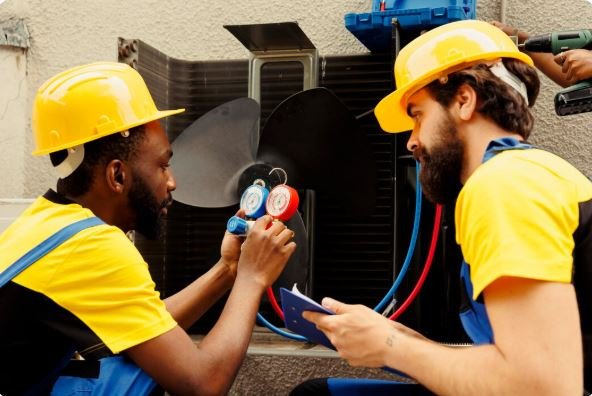
Professional HVAC repair involves a systematic approach to diagnosing and resolving issues. The process begins with a comprehensive inspection of the system, including the thermostat, electrical components, refrigerant levels, coils, filters, and ductwork. Technicians use specialized tools to measure airflow, temperature differentials, and system pressure to identify the root cause of the problem.
Once the issue is diagnosed, the technician proceeds with the necessary repairs, which may include replacing faulty components, cleaning coils, sealing leaks, or recalibrating the thermostat. In some cases, multiple issues may be addressed simultaneously to restore optimal system performance. After completing the repairs, the system is tested to ensure that it operates efficiently and meets performance standards.
Professional HVAC repair ensures that all components are handled correctly, minimizing the risk of further damage and ensuring compliance with safety and industry standards. This thorough approach provides long-lasting solutions rather than temporary fixes.
Benefits of Timely HVAC Repair
Timely HVAC repair offers numerous benefits that extend beyond immediate comfort. One of the most significant advantages is improved energy efficiency, as a properly functioning system consumes less energy and reduces utility costs. Repairing issues such as clogged filters, refrigerant leaks, or worn components ensures that the system operates at peak performance.
Another important benefit is extended system lifespan. Regular maintenance and prompt repairs prevent excessive wear and tear, allowing the system to function effectively for a longer period. This reduces the need for premature replacement and maximizes the return on investment.
Additionally, HVAC repair enhances indoor air quality by addressing issues such as dust accumulation, mold growth, and poor ventilation. A clean and well-maintained system provides healthier air, reducing the risk of allergies, respiratory issues, and other health concerns.
Preventive Maintenance and Its Role in HVAC Repair
Preventive maintenance plays a vital role in reducing the need for extensive HVAC repair. Regular servicing includes cleaning filters, inspecting components, checking refrigerant levels, and ensuring proper airflow. These routine tasks help identify potential issues early, allowing for timely intervention before problems escalate.
Scheduled maintenance also improves system reliability, reduces the likelihood of unexpected breakdowns, and ensures consistent performance throughout the year. Homeowners and businesses that invest in preventive maintenance experience fewer disruptions, lower repair costs, and improved overall efficiency. Combining maintenance with timely HVAC repair creates a comprehensive approach to system care.
In residential settings, HVAC systems are essential for maintaining comfortable living conditions. Repair needs may vary depending on the type of system, usage patterns, and environmental conditions. Homeowners should be aware of signs such as inconsistent temperatures, unusual odors, or increased humidity levels, which may indicate underlying issues.
Professional HVAC repair services for residential properties focus on restoring comfort, improving efficiency, and ensuring safety. Technicians may recommend upgrades or adjustments to enhance performance, such as installing programmable thermostats or improving insulation and airflow. These improvements contribute to a more comfortable and energy-efficient home environment.
Commercial HVAC Repair Requirements
Commercial HVAC systems are typically larger and more complex than residential systems, serving multiple zones and accommodating higher usage demands. As a result, HVAC repair in commercial settings requires specialized knowledge and equipment. Businesses rely on efficient HVAC systems to maintain comfortable environments for employees, customers, and clients.
Downtime or system failure can disrupt operations, affect productivity, and impact customer experience. Professional HVAC repair services for commercial properties prioritize quick response times, efficient diagnostics, and effective solutions to minimize disruption. Regular maintenance and prompt repairs ensure that commercial systems operate reliably and meet performance requirements.
Cost Considerations and Value of Professional HVAC Repair
The cost of HVAC repair varies depending on factors such as the nature of the problem, the type of system, and the required components. Minor repairs, such as replacing filters or cleaning coils, are relatively inexpensive, while major repairs involving compressors or electrical components may require a higher investment.
Despite the cost, professional HVAC repair provides long-term value by improving efficiency, reducing energy consumption, and preventing costly system replacements. Attempting DIY repairs may lead to further damage or safety risks, particularly when dealing with electrical components or refrigerants. Engaging experienced technicians ensures that repairs are performed correctly, safely, and in compliance with industry standards.
Technological Advancements in HVAC Repair
Advancements in technology have significantly improved HVAC repair processes and system performance. Modern systems incorporate smart thermostats, sensors, and automation features that allow for real-time monitoring and diagnostics. These technologies enable technicians to identify issues quickly, improve accuracy, and implement effective solutions.
Energy-efficient components, variable-speed motors, and advanced filtration systems contribute to improved performance and reduced environmental impact. Technological innovations also support predictive maintenance, where potential issues are identified and addressed before they cause system failure. These advancements enhance the reliability, efficiency, and longevity of HVAC systems.
Safety Considerations in HVAC Repair
HVAC repair involves handling electrical systems, refrigerants, and mechanical components, which require strict adherence to safety standards. Professional technicians are trained to follow safety protocols, use appropriate tools, and wear protective equipment to prevent accidents and injuries.
Improper handling of HVAC systems can lead to electrical hazards, refrigerant leaks, or damage to components. Homeowners should avoid attempting complex repairs without proper knowledge and expertise. Relying on professional services ensures safe and effective repair, protecting both the system and the occupants of the property.
Regular HVAC repair provides long-term benefits that enhance comfort, efficiency, and system reliability. Well-maintained systems deliver consistent temperature control, improved air quality, and reduced energy consumption. Timely repairs prevent major breakdowns, extend system lifespan, and minimize the need for costly replacements.
For both residential and commercial properties, investing in HVAC repair ensures that indoor environments remain comfortable and healthy throughout the year. The combination of maintenance, repair, and technological upgrades creates a comprehensive approach to HVAC system management, delivering lasting value and performance.
Conclusion
HVAC repair is an essential aspect of maintaining comfortable, efficient, and healthy indoor environments. From diagnosing and resolving common issues to implementing preventive maintenance and leveraging modern technology, every step contributes to the optimal performance of heating and cooling systems.
By recognizing the importance of timely HVAC repair, addressing problems early, and engaging professional services, property owners can ensure reliable system operation, reduce energy costs, and extend equipment lifespan. Investing in HVAC repair is not just about fixing problems; it is about preserving comfort, enhancing efficiency, and protecting long-term property value.