Metal roofing has become one of the most reliable and long-lasting roofing solutions for residential, commercial, and industrial properties due to its combination of durability, low maintenance requirements, energy efficiency, and aesthetic versatility. Investing in metal roofing is not simply about covering a building with sheets of metal; it involves careful planning, precise measurements, appropriate material selection, and professional-grade installation techniques to ensure optimal performance, longevity, and safety. Understanding the types of metal roofing materials available, the installation process, common challenges, maintenance practices, and long-term benefits is crucial for homeowners and building managers who wish to maximize the value and functionality of their roof while safeguarding their investment against environmental factors and everyday wear.
The Advantages of Metal Roofing
One of the most compelling reasons to choose metal roofing is its unmatched durability and lifespan, which far exceeds traditional roofing options such as asphalt shingles or clay tiles. While conventional shingles may require replacement every 15 to 20 years, metal roofs, when properly installed, can last anywhere from 40 to 70 years, offering significant long-term cost savings by minimizing the need for frequent repairs or replacements. In addition to longevity, metal roofs provide superior protection against harsh weather conditions, including heavy rain, strong winds, hailstorms, snow accumulation, and even fire, making them a practical choice for areas prone to extreme weather. The materials used in metal roofing are inherently fire-resistant and non-combustible, providing an extra layer of safety for occupants and property, while the reflective coatings and finishes available in modern metal panels help reduce heat absorption, lower cooling costs, and improve indoor comfort. Additionally, the potential to install metal roofing over existing shingles reduces labor, waste, and installation time, while many metal roofing products are manufactured using recycled materials, making them environmentally friendly and sustainable over the long term.
Types of Metal Roofing Materials
Selecting the appropriate metal for roofing is a critical step in ensuring the desired balance between performance, aesthetics, and cost. Steel is the most commonly used material because of its strength, affordability, and versatility, and is typically coated with zinc or aluminum-zinc alloys to prevent corrosion and rust, with panel profiles available in standing seam, corrugated, or stamped shingle designs. Aluminum, which is lightweight, corrosion-resistant, and ideal for coastal and humid regions, provides design flexibility and long-term protection, and can be finished in a wide variety of colors and textures. Copper, while more expensive, offers unmatched longevity, can develop a unique natural patina over time, and is often chosen for premium residential or commercial applications due to its aesthetic appeal and durability, often exceeding a century in lifespan when properly maintained. Zinc, known for its corrosion resistance, environmental sustainability, and ability to self-heal minor scratches, offers a malleable material for intricate roof designs, while maintaining a low-maintenance, long-lasting protective barrier. Each of these materials has specific characteristics and installation requirements, and understanding these differences helps property owners make informed decisions that optimize both performance and style.
Preparing for Metal Roofing Installation
Effective preparation is fundamental to a successful metal roofing project and includes evaluating the structural integrity of the roof framing, determining whether the existing deck can support the metal panels, and addressing any weaknesses or damage in the underlying structure, which is especially critical in older buildings. Accurate measurements and calculations of roof dimensions, slopes, and surface area are necessary to determine the quantity of panels, fasteners, flashing, and accessories required, while also minimizing material waste and unnecessary expenses. Selecting the appropriate panel type, finish, and protective coating based on climate, durability requirements, and aesthetic preferences ensures a high-quality result that will withstand environmental stressors. Planning for safety is equally important, including the use of fall protection systems, scaffolding, and personal protective equipment, as installing metal roofing involves working at heights and handling heavy, sharp materials that can pose significant risks if proper precautions are not followed.
Step-by-Step Metal Roofing Installation
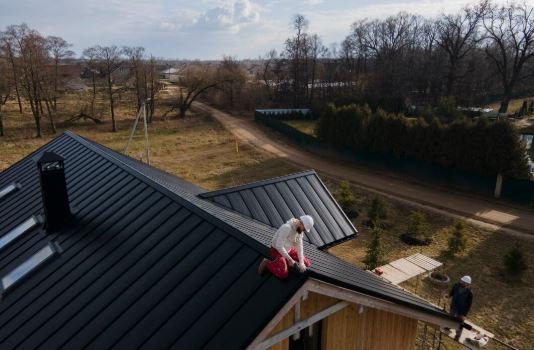
The installation process for metal roofing begins with the removal of any existing roofing materials to create a clean, stable surface for the new roof, allowing for inspection of the underlying deck to identify and repair any damage, rot, or mold, and ensuring a solid foundation for the panels. Once the surface is prepared, flashing, drip edges, and underlayment are installed to provide additional waterproofing, enhance energy efficiency, and prevent leaks at edges, valleys, and transitions. Installing the metal panels requires precise alignment, consistent overlap, and secure fastening with corrosion-resistant screws and washers, ensuring that panels are free of scratches and damage while maintaining proper thermal expansion gaps. Ridge caps, trim, and ventilation components are installed to complete the roof system, allowing for proper airflow and a polished, finished appearance. A final inspection confirms that all panels are correctly aligned, fasteners are secure, and flashing and seals are intact, guaranteeing that the metal roofing system functions efficiently and provides long-term protection against the elements.
Common Challenges in Metal Roofing
Although metal roofing is highly durable, the installation process presents several challenges that require skill and attention to detail. Working at heights and handling large, sharp metal panels requires adherence to strict safety protocols, while improper alignment, incorrect fastener placement, or inadequate sealing can lead to leaks, panel warping, or wind damage. Temperature fluctuations may cause metal panels to expand and contract, which requires careful spacing, fastening techniques, and allowance for thermal movement. Roofs with complex designs, steep pitches, or multiple angles can complicate panel placement and necessitate custom fabrication, and overlooking any of these considerations can compromise both performance and safety. By anticipating these potential issues and taking proactive measures, installers can ensure that the metal roof provides long-lasting protection and retains its aesthetic appeal.
Maintenance and Longevity
One of the primary benefits of metal roofing is its low maintenance requirements, though regular care is essential to maximize longevity and performance. Routine inspections should include clearing debris from valleys, gutters, and downspouts, checking fasteners and seals for loosening or corrosion, and addressing scratches or minor surface damage to maintain protective coatings. Snow removal in winter is recommended in areas with heavy snowfall to reduce excess weight on the roof, prevent ice dams, and maintain proper drainage. Additionally, periodic cleaning with appropriate solutions helps preserve appearance and prevent buildup of moss, dirt, or mildew. Proper and consistent maintenance allows a metal roof to maintain its structural integrity, aesthetic appeal, and energy efficiency for decades, often exceeding 50 years of reliable service.
Professional Installation Benefits
While some experienced DIYers may attempt metal roofing installation, hiring professional installers offers significant advantages in terms of safety, precision, and long-term reliability. Certified installers have the expertise to select appropriate materials, align panels correctly, secure fasteners effectively, handle complex roof shapes, and ensure compliance with building codes. Professional installation reduces the risk of mistakes that could compromise performance or safety, preserves manufacturer warranties, and provides peace of mind for homeowners or property managers. For high-end materials such as copper or zinc, steep or irregular roof pitches, or large-scale commercial projects, professional installation is often the most reliable and cost-effective choice.
Environmental and Energy Efficiency Benefits
Metal roofing is an environmentally responsible option because it often contains recycled materials, is fully recyclable at the end of its life, and reduces energy consumption through reflective coatings that minimize heat absorption. Proper installation ensures maximum energy efficiency, as correctly aligned panels and secure seams prevent heat loss or gain, reducing both heating and cooling costs. Metal roofs are also compatible with solar panel installations, making them an ideal platform for renewable energy solutions and further enhancing sustainability. In combination with routine maintenance, these properties make metal roofing a long-term, eco-friendly solution for energy-conscious property owners seeking both performance and environmental responsibility.
Conclusion
Metal roofing represents a durable, versatile, and aesthetically appealing option that offers long-term protection, energy efficiency, and minimal maintenance for residential, commercial, and industrial properties. Proper planning, preparation, and installation are critical to ensuring that the roof delivers the desired performance and longevity, while professional installation guarantees safety, precise alignment, and compliance with building codes. By understanding the different types of metal roofing, addressing installation challenges, and adhering to maintenance practices, property owners can enjoy decades of reliable protection, reduced energy costs, and enhanced curb appeal. Choosing metal roofing is an investment that provides long-lasting value, exceptional durability, and a sustainable, visually striking solution for any building.