Commercial buildings require strong, durable, and well-designed roofing systems that can withstand environmental stress while protecting valuable assets inside. Unlike residential roofs, which are often designed with aesthetics in mind, commercial roofing focuses more on functionality, longevity, and cost-efficiency. A properly installed and maintained roof plays a critical role in safeguarding a business, ensuring operational continuity, and minimizing repair expenses over time. Understanding the various aspects of commercial roofing helps property owners and managers make informed decisions that align with their building requirements and long-term goals.
The Importance of a Reliable Commercial Roofing System
A commercial roof serves as the first line of defense against harsh weather conditions, including heavy rain, strong winds, and extreme temperatures. Since most commercial buildings have flat or low-slope roofs, they are more susceptible to water pooling and drainage issues, which can lead to leaks and structural damage if not properly managed. A reliable roofing system ensures that water is effectively drained, preventing damage to the building’s interior and reducing the risk of mold growth.
In addition to protection, a well-maintained roof contributes to energy efficiency by regulating indoor temperatures. Proper insulation and reflective materials can reduce heating and cooling costs, making the building more sustainable and cost-effective to operate. Investing in high-quality commercial roofing not only protects the structure but also enhances overall business performance by minimizing disruptions and maintenance costs.
Types of Commercial Roofing Systems
There are several types of commercial roofing systems available, each designed to meet specific needs based on building structure, climate, and budget considerations. Understanding these options allows property owners to choose the most suitable solution for their buildings.
Flat roofing systems are among the most common in commercial construction due to their cost-effectiveness and ease of installation. Materials such as built-up roofing (BUR) and modified bitumen are widely used for their durability and resistance to weather conditions.
Single-ply membrane systems, including TPO, PVC, and EPDM, are also popular due to their flexibility and energy efficiency. These materials are lightweight, easy to install, and resistant to UV radiation, making them ideal for large commercial buildings.
Metal roofing systems offer exceptional durability and longevity, often lasting several decades with minimal maintenance. They are resistant to fire, wind, and impact, making them a reliable option for industrial and commercial applications.
Green roofing systems, which incorporate vegetation and soil layers, are gaining popularity for their environmental benefits. They improve insulation, reduce urban heat, and contribute to sustainability efforts, making them an attractive choice for environmentally conscious businesses.
Choosing the Right Materials for Longevity and Performance
Selecting the appropriate roofing material is essential for ensuring long-term performance and durability. Each material offers unique advantages, and the choice depends on factors such as climate, building design, and maintenance requirements.
Thermoplastic materials like TPO and PVC are known for their heat-reflective properties, which help reduce energy costs. EPDM, a synthetic rubber material, is valued for its flexibility and resistance to extreme weather conditions. Built-up roofing systems provide multiple layers of protection, making them highly durable and resistant to leaks.
Metal roofing, often made from steel or aluminum, offers exceptional strength and longevity. It is particularly suitable for buildings exposed to harsh weather conditions. Meanwhile, green roofing systems provide natural insulation and contribute to improved air quality, although they require more maintenance compared to traditional options.
By carefully evaluating these materials, property owners can select a roofing system that balances cost, durability, and performance.
The Installation Process and Key Considerations
The installation of a commercial roofing system is a complex process that requires careful planning and professional expertise. It begins with a thorough inspection of the existing structure to identify any underlying issues that must be addressed before installation.
Proper insulation and ventilation are critical components of the installation process, as they directly impact energy efficiency and indoor comfort. The roofing material is then installed according to manufacturer specifications, ensuring that seams are properly sealed and that the system is watertight.
Drainage is another important consideration, particularly for flat roofs. Installing effective drainage systems prevents water accumulation and reduces the risk of leaks and structural damage. Attention to detail during installation ensures that the roof performs efficiently and lasts for many years.
Common Challenges in Commercial Roofing
Commercial roofing systems face several challenges that can affect their performance over time. One of the most common issues is water pooling, which occurs when drainage is inadequate or the roof is not properly sloped. This can lead to leaks, structural damage, and reduced lifespan of the roofing system.
Weather-related damage is another concern, as exposure to extreme temperatures, UV radiation, and strong winds can cause materials to deteriorate. Regular inspections and timely repairs are essential for addressing these issues before they escalate.
Poor installation or the use of low-quality materials can also result in premature failure of the roofing system. Ensuring that experienced professionals handle the installation process is crucial for avoiding these problems and maintaining the integrity of the roof.
Maintenance Strategies for Long-Term Efficiency
Regular maintenance is key to extending the lifespan of a commercial roof and ensuring its optimal performance. Routine inspections help identify potential issues such as cracks, leaks, and debris buildup, allowing for timely repairs.
Cleaning the roof and drainage systems prevents blockages that can lead to water accumulation and damage. It is also important to check for signs of wear and tear, particularly after severe weather events.
Scheduled maintenance programs, often provided by professional roofing contractors, can help property owners stay on top of necessary repairs and ensure that the roofing system remains in good condition. Investing in maintenance reduces the likelihood of costly repairs and extends the life of the roof.
The Financial Benefits of Investing in Quality Roofing
While the initial cost of a commercial roofing system may seem significant, it is important to consider the long-term financial benefits. A high-quality roof reduces the need for frequent repairs, lowers energy costs, and increases the overall value of the property.
Energy-efficient roofing materials can significantly reduce heating and cooling expenses, contributing to long-term savings. Additionally, a well-maintained roof minimizes the risk of damage to equipment, inventory, and interior spaces, preventing costly disruptions to business operations.
Investing in durable and reliable commercial roofing is a strategic decision that provides both immediate and long-term financial advantages.
When to Repair or Replace a Commercial Roof
Determining whether to repair or replace a commercial roof depends on several factors, including the extent of damage, the age of the roof, and the cost of repairs. Minor issues such as small leaks or localized damage can often be addressed with repairs.
However, if the roof has extensive damage, frequent leaks, or has reached the end of its lifespan, replacement may be the more cost-effective option. Modern roofing systems offer improved performance and durability, making them a worthwhile investment for long-term protection.
Regular inspections by professionals can help property owners make informed decisions about repair or replacement, ensuring that the roofing system continues to meet the building’s needs.
Future Trends in Commercial Roofing
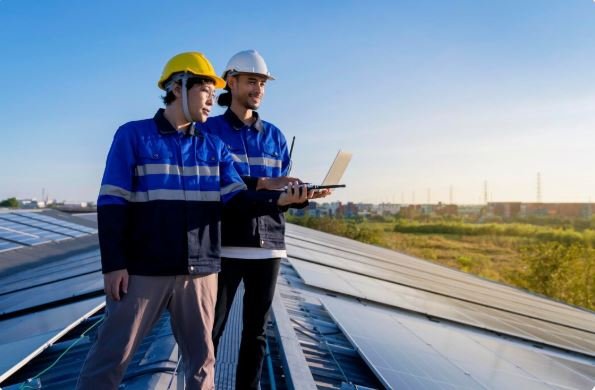
The commercial roofing industry is continuously evolving, with new technologies and materials being developed to improve performance and sustainability. Energy-efficient roofing systems, such as cool roofs and solar-integrated solutions, are becoming increasingly popular as businesses seek to reduce their environmental impact and energy costs.
Advancements in materials and installation techniques are also enhancing the durability and efficiency of commercial roofs. These innovations provide property owners with more options and greater flexibility in choosing a roofing system that meets their specific requirements.
Staying informed about these trends allows businesses to take advantage of new opportunities and ensure that their roofing systems remain up to date with industry standards.
Conclusion: Building Long-Term Value with the Right Roofing System
Commercial roofing is a critical investment that directly impacts the safety, efficiency, and value of a building. By understanding the different types of roofing systems, selecting the right materials, ensuring proper installation, and maintaining the roof regularly, property owners can maximize the lifespan and performance of their investment.
A well-designed and properly maintained roof not only protects the building but also contributes to energy efficiency, cost savings, and overall business success. With careful planning and informed decision-making, commercial roofing becomes more than just a structural necessity; it becomes a valuable asset that supports long-term growth and sustainability.