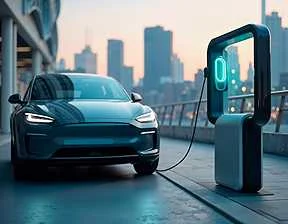
Electric vehicles are becoming an important part of modern transportation as people look for cleaner, more cost-effective, and energy-efficient ways to travel. As EV adoption increases, one of the most essential requirements for owners is having a reliable charging setup at home or at their workplace. A proper charging solution ensures convenience, reduces dependency on public stations, and improves overall vehicle usability. Understanding how EV charging works, what options are available, and how installation is carried out helps users make better long-term decisions.
Electric vehicle charging is not just about plugging a car into power; it involves a structured system designed for safety, efficiency, and long-term performance. As EV technology continues to evolve, charging infrastructure is also becoming more advanced, offering faster charging speeds and smarter energy management features.
Understanding How Electric Vehicle Charging Works
Electric vehicles use rechargeable batteries that store electrical energy and power the motor. Charging these batteries requires a controlled flow of electricity, which is managed through specialized equipment. Unlike regular household appliances, EVs require higher power levels and safety mechanisms to ensure efficient charging without damaging the battery or electrical system.
There are three main types of charging systems commonly used today. The first is slow charging through a standard power outlet, which is usually suitable only for emergency use or very short daily travel distances. The second is faster home-based charging, which is the most practical solution for daily EV users. The third is rapid charging, typically found at public charging stations, which is designed for quick top-ups during long journeys.
Among these, home charging solutions have become the most popular because they offer a balance of convenience, speed, and cost efficiency. Instead of waiting in queues at public stations, EV owners can simply plug in their vehicle overnight and wake up to a fully charged battery.
Importance of Installing a Dedicated Charging System
A dedicated charging system plays a crucial role in ensuring the smooth operation of an electric vehicle. It provides a stable and controlled power supply that reduces the risk of electrical overload and improves charging efficiency. Without a proper system, users may face slow charging speeds, frequent interruptions, or even potential electrical hazards.
One of the major benefits of installing a dedicated setup is convenience. It eliminates the need to rely on external charging stations, which may not always be available or nearby. It also allows users to take advantage of off-peak electricity rates, which can significantly reduce charging costs over time.
Another important aspect is safety. Professional installation ensures that all electrical components are properly configured, reducing risks such as overheating or short circuits. This is especially important because EV charging involves high power loads that require careful handling.
Step-by-Step Process of Setting Up a Charging System
Setting up an EV charging system involves several technical stages, each of which ensures proper performance and safety. The process usually begins with an electrical assessment of the property to determine whether the existing system can handle the additional load. This step is essential because not all homes are immediately ready for high-capacity charging equipment.
Once the assessment is complete, the appropriate charging unit is selected based on the user’s vehicle type, driving habits, and budget. Level 2 chargers are generally preferred for home use because they offer faster charging without requiring extremely high voltage systems.
The next step involves installing a dedicated circuit. This ensures that the charger operates independently from other household appliances, preventing overload and improving stability. After this, the charging unit is mounted in a suitable location, often in a garage or near a parking area, where the vehicle can be easily connected.
Finally, the system is tested to ensure everything is working correctly. Voltage levels, safety features, and charging speed are checked to confirm optimal performance. Once all tests are completed, the system is ready for regular use.
Professional EV charger installation ensures that each of these steps is carried out safely and efficiently, reducing the risk of future issues and improving long-term reliability.
Key Benefits of Home Charging Solutions
Home charging systems offer multiple advantages that make them an attractive option for EV owners. One of the biggest benefits is time savings. Instead of spending time at public charging stations, users can charge their vehicles overnight or during idle hours at home.
Cost efficiency is another major advantage. Charging at home is often cheaper than using commercial charging stations, especially when using electricity during off-peak hours. Over time, this can lead to significant savings in fuel and transportation costs.
Home charging also provides better control over energy usage. Many modern systems come with smart features that allow users to monitor electricity consumption, schedule charging times, and even integrate renewable energy sources like solar panels.
Additionally, having a dedicated system increases property value. Homes equipped with EV charging infrastructure are becoming more attractive in the real estate market, especially as electric vehicle adoption continues to grow.
Common Challenges in EV Charging Setup
Although EV charging systems offer many benefits, there are also some challenges that users may face. One common issue is electrical capacity limitations. Older homes may require upgrades to support the additional load of a charging system. This can involve installing a new electrical panel or upgrading wiring.
Another challenge is the initial cost of installation. While the long-term savings are significant, the upfront investment can be relatively high depending on the type of charger and electrical modifications required.
Weather conditions can also affect outdoor charging setups. In such cases, protective enclosures are necessary to ensure the equipment remains safe from rain, dust, and extreme temperatures.
Compatibility is another factor to consider, as not all chargers work with every vehicle model. Choosing the right system is essential to ensure smooth and efficient charging performance.
In many cases, professional guidance is essential to overcome these challenges and ensure a smooth setup process. Proper EV charger installation helps avoid common mistakes and ensures long-term system stability.
Smart Charging and Future Technology Trends
The future of EV charging is becoming increasingly smart and connected. Modern charging systems now include advanced features such as mobile app control, energy tracking, and automated scheduling. These features allow users to manage charging more efficiently and reduce electricity costs.
Smart charging systems can also adjust power levels based on grid demand, helping to balance energy usage and reduce strain on the electrical network. Some systems are even compatible with renewable energy sources, allowing users to charge their vehicles using solar or wind energy.
As technology continues to develop, EV charging systems are expected to become faster, more efficient, and more integrated with smart home systems. This will make electric vehicle ownership even more convenient in the coming years.
Environmental Impact and Sustainability Benefits
Electric vehicles already contribute to reducing carbon emissions, but efficient charging systems further enhance their environmental benefits. By optimizing energy usage and integrating renewable sources, EV charging can become even more sustainable.
Home charging systems reduce dependency on fossil fuel-based transportation infrastructure and help lower overall environmental impact. When combined with clean energy sources, EV charging can significantly reduce carbon footprints.
This shift toward cleaner energy is an important step in building a more sustainable transportation system for the future.
Maintenance and Long-Term Performance
EV charging systems require very little maintenance, but regular checks can help ensure long-term reliability. Inspecting cables, connectors, and mounting points occasionally helps prevent wear and tear. Keeping the unit clean and protected also improves performance.
Software updates, if available, should be installed to maintain compatibility and enhance system functionality. Proper maintenance ensures that the charging system continues to operate efficiently for many years.
Cost Considerations and Long-Term Value
The cost of setting up an EV charging system depends on several factors, including charger type, installation complexity, and electrical upgrades. While the initial investment may seem high, the long-term benefits often outweigh the costs.
Users save money on fuel, reduce maintenance expenses, and gain access to more efficient energy usage. In many cases, government incentives or rebates may also help reduce installation costs.
Over time, the value of having a dedicated charging system becomes clear, especially as electric vehicles become more common.
Final Thoughts
Electric vehicles are shaping the future of transportation, and having a reliable charging system is a key part of that transition. A properly designed setup ensures convenience, safety, and long-term savings while supporting a cleaner environment.
Understanding the charging process, installation requirements, and long-term benefits helps users make informed decisions that improve their EV experience. As technology continues to evolve, charging systems will become even more advanced and user-friendly.
A well-planned EV charger installation provides not only convenience but also peace of mind, ensuring that your vehicle is always ready when you need it. Investing in a proper setup today prepares you for the future of sustainable and efficient transportation.
With the right planning and professional support, EV charger installation becomes a simple yet powerful upgrade that transforms how you use and manage your electric vehicle every day.