A roof is one of the most important structural components of any building, serving as the primary barrier against environmental conditions such as rain, wind, heat, dust, and seasonal temperature changes. Whether it is a residential home or a commercial property, the roofing system plays a crucial role in maintaining safety, comfort, and energy efficiency. Over time, however, every roof experiences natural wear and tear due to constant exposure to harsh weather and aging materials. This makes regular maintenance, timely inspections, and professional intervention essential for long-term protection. In many situations, property owners rely on roof repair to address damage early and prevent small issues from turning into major structural problems that can compromise the entire building.
A roofing system is far more complex than it appears from the outside. It consists of multiple layers, including waterproofing membranes, insulation materials, ventilation systems, and structural supports. Each of these components plays a specific role in ensuring that the roof performs efficiently. When all parts work together properly, the building remains protected, energy-efficient, and structurally stable. However, when even one element becomes damaged or neglected, it can lead to serious consequences such as leaks, mold growth, and internal structural weakening.
Importance of Roofing Systems in Structural Protection
Roofing systems are designed to protect buildings from external environmental forces. They act as the first line of defense against heavy rainfall, strong winds, direct sunlight, and fluctuating temperatures. A properly installed and maintained roof ensures that the interior of the building remains safe, dry, and comfortable throughout the year.
When roofing systems begin to fail, the consequences can quickly escalate. Water intrusion is one of the most common and damaging problems, as it can affect ceilings, walls, insulation, and even electrical systems. Over time, this can lead to expensive restoration work and compromise the structural integrity of the entire building. This is why timely roof repair is essential to stop damage early and restore the protective function of the roof.
In addition to protection, roofing systems also contribute significantly to energy efficiency. A well-insulated roof helps regulate indoor temperature by reducing heat loss during colder months and minimizing heat absorption during hotter months. This reduces the need for excessive heating and cooling, ultimately lowering energy bills and improving overall comfort.
Common Causes of Roof Damage and Deterioration
Roof damage can occur due to a variety of factors, most of which are related to environmental exposure and lack of maintenance. Weather conditions are one of the primary causes, as heavy rain can lead to water pooling, strong winds can displace roofing materials, and intense sunlight can gradually weaken the roof surface over time.
Poor installation is another major cause of roofing issues. If a roof is not installed correctly, even high-quality materials may fail prematurely. Improper sealing, incorrect alignment, or insufficient ventilation can all contribute to long-term structural problems that require attention.
Neglecting regular maintenance is also a significant factor. When debris such as leaves, branches, and dirt accumulates on the roof, it can block drainage systems and cause water buildup. This increases the risk of leaks and structural deterioration. In such situations, professional roof repair becomes necessary to restore proper functionality and prevent further damage.
Importance of Regular Roof Maintenance and Inspection
Routine roof maintenance is essential for extending the lifespan of a roofing system and ensuring long-term performance. Regular inspections help identify early signs of damage such as missing shingles, cracks, water stains, or weakened flashing. Detecting these issues early allows property owners to take corrective action before they become more serious and costly.
Cleaning is another essential part of roof maintenance. Removing debris from the roof surface and gutters ensures proper water drainage and prevents moisture accumulation. This helps reduce the risk of leaks and structural weakening over time.
In many cases, minor issues discovered during inspections can be resolved quickly and affordably. However, when damage becomes more severe, professional roof repair is required to restore structural strength and functionality. Consistent maintenance not only reduces repair costs but also enhances the safety and reliability of the entire building.
Early Warning Signs of Roofing Problems
Recognizing early warning signs of roofing problems is critical for preventing major structural damage. One of the most common indicators is water leakage inside the building, which often appears as stains on ceilings or walls. These stains suggest that moisture has already penetrated the roofing system.
Another warning sign is damaged or missing shingles. Shingles act as the protective outer layer of the roof, and when they are compromised, the underlying structure becomes exposed to environmental damage. Cracked, curling, or broken shingles indicate aging materials that require immediate attention.
Sagging roof areas are a more serious concern, as they may indicate structural weakening caused by long-term moisture damage or excessive load. Mold or mildew growth is another sign of excess moisture retention within the roofing system. Addressing these issues promptly through roof repair helps prevent further deterioration and ensures building safety.
Materials Used in Modern Roofing Systems
Modern roofing systems are built using a variety of materials, each offering different advantages in terms of durability, cost, and performance. Asphalt shingles are widely used due to their affordability and ease of installation. Metal roofing is known for its strength and resistance to extreme weather conditions, while tile roofing offers long-lasting durability and a traditional aesthetic appearance.
Synthetic roofing materials are also gaining popularity due to their lightweight structure and enhanced resistance to environmental damage. These materials are designed to replicate traditional roofing styles while offering improved performance and reduced maintenance requirements.
Regardless of the material used, proper installation and maintenance are essential for long-term performance. Even the best materials can fail without proper care, making timely roof repair and professional maintenance essential for roofing system longevity.
The Process of Identifying and Repairing Roof Damage
When roofing issues arise, professionals follow a systematic process to identify and resolve the problem. The first step involves a detailed inspection of the entire roofing system to detect both visible and hidden damage. This includes checking shingles, flashing, insulation layers, and drainage systems.
Once the problem is identified, the appropriate repair method is selected. Minor issues such as small leaks or missing shingles can often be resolved quickly, while more severe damage may require partial roof replacement. The goal is always to restore full functionality while minimizing cost and disruption.
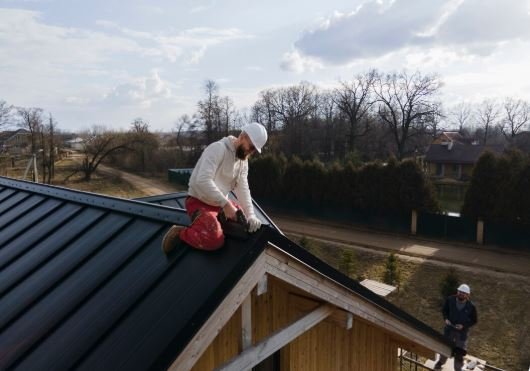
In complex cases, additional reinforcement or waterproofing may be necessary to ensure long-term stability. Proper execution of roof repair ensures that all issues are addressed effectively and that the roofing system remains strong, safe, and reliable.
Long-Term Benefits of Proper Roof Care
Investing in proper roof care provides numerous long-term benefits for property owners. One of the most important advantages is increased durability, as regular maintenance and timely repairs extend the lifespan of the roofing system. This reduces the need for frequent replacements and lowers overall maintenance costs.
Energy efficiency is another key benefit. A well-maintained roof helps regulate indoor temperature, reducing energy consumption and improving comfort throughout the year. This makes the building more cost-effective and environmentally friendly.
Proper roof maintenance also increases property value. A strong and well-maintained roof is a major factor in real estate evaluation, making properties more attractive to buyers. Additionally, safety is significantly improved when roofing systems are regularly inspected and repaired.
Final Thoughts on Long-Term Roof Protection
Maintaining a strong and reliable roofing system requires consistent care, regular inspections, and timely repairs. Environmental exposure, material aging, and installation quality all play a major role in determining the overall performance of a roof. Property owners who take preventive action are far more likely to avoid costly damage and structural issues.
In many situations, roof repair becomes the most effective solution for restoring damaged roofing systems and ensuring long-term performance. By addressing problems early and maintaining proper care, property owners can protect their investment and ensure that their buildings remain safe, durable, and efficient for many years to come