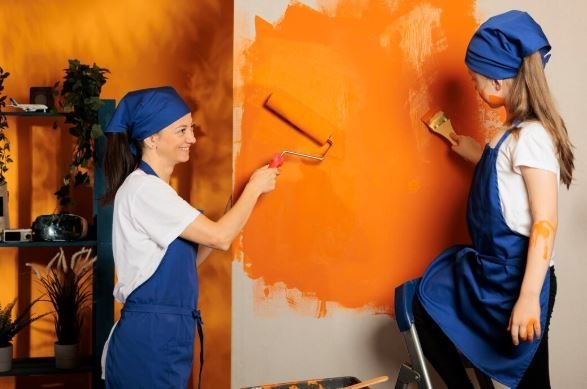
Interior spaces play a major role in shaping how people feel, live, and interact within a building. Walls, ceilings, and surfaces are not just structural elements; they are the visual foundation of every room. One of the most effective ways to refresh, enhance, and completely transform indoor environments is through professional interior painting. With the right approach, color choices, and application techniques, painting can completely redefine the atmosphere of any space while also protecting surfaces and improving long-term durability.
This comprehensive guide explores everything about interior painting, including preparation methods, paint selection, design psychology, techniques, benefits, challenges, maintenance, and long-term value. Understanding these aspects helps ensure that any painting project delivers both aesthetic and functional results.
Understanding the Importance of Interior Painting
Interior painting is more than just applying color to walls; it is a structured process that influences mood, lighting, and spatial perception. Colors can make rooms feel larger, warmer, brighter, or more calming depending on their shade and finish.
A well-executed interior painting project enhances the overall appearance of a home or commercial space while also protecting surfaces from wear and tear. Paint acts as a protective layer that shields walls from moisture, stains, and minor damage, extending the life of interior materials.
Beyond protection, painting plays a significant role in interior design. It helps define style, highlight architectural features, and create visual harmony between furniture, lighting, and décor elements.
Preparing Surfaces for a Flawless Finish
Proper preparation is the foundation of any successful painting project. Without it, even high-quality paint can fail to deliver a smooth and durable finish.
Surface preparation typically involves cleaning walls to remove dust, grease, and stains. Cracks and holes are filled with appropriate materials to ensure a smooth surface. Sanding is often required to eliminate uneven textures and create better paint adhesion.
Priming is another essential step in preparation. Primer helps seal the surface, improves paint coverage, and enhances color accuracy. Skipping this step can lead to uneven results and reduced durability.
Professional interior painting always emphasizes preparation because it directly impacts the final appearance and longevity of the paint job.
Choosing the Right Colors and Finishes
Color selection is one of the most important aspects of interior painting. Colors influence mood, energy levels, and overall atmosphere within a space. Light colors often make rooms feel more open and spacious, while darker shades create a sense of warmth and intimacy.
Neutral tones are commonly used for versatility, allowing flexibility in furniture and décor choices. Bold colors can be used as accent walls to create focal points and add character to a room.
Paint finishes also play a crucial role. Matte finishes provide a smooth, non-reflective surface, while satin and semi-gloss finishes offer more durability and easier cleaning. Gloss finishes are often used for trim and decorative elements.
A thoughtful approach to interior painting ensures that both color and finish work together to achieve the desired aesthetic and functional outcome.
Psychological Impact of Colors in Interior Spaces
Colors have a strong psychological effect on human emotions and behavior. Warm colors such as red, orange, and yellow are often associated with energy, warmth, and creativity. Cool colors like blue, green, and purple promote calmness, relaxation, and focus.
Understanding color psychology helps in designing spaces that serve specific purposes. For example, calming tones are often used in bedrooms and relaxation areas, while more vibrant colors may be used in creative or social spaces.
Professional interior painting takes these psychological factors into account to create environments that support comfort, productivity, and emotional well-being.
Painting Techniques and Application Methods
The method used to apply paint can significantly affect the final result. Common techniques include brushing, rolling, and spraying, each offering unique advantages depending on the surface and project requirements.
Brushing is ideal for detailed areas, edges, and trim work. Rolling is commonly used for large flat surfaces such as walls and ceilings, providing even coverage and efficiency. Spraying is often used for achieving a smooth, uniform finish on large or complex surfaces.
Multiple coats are usually required to achieve full coverage and rich color depth. Proper drying time between coats is essential to avoid imperfections.
A professional approach to interior painting ensures consistent application, smooth finishes, and long-lasting results.
Lighting and Its Influence on Paint Appearance
Lighting plays a significant role in how paint colors appear within a space. Natural light changes throughout the day, affecting how colors are perceived. Artificial lighting also impacts color tone depending on its warmth or coolness.
A color that looks perfect in one lighting condition may appear different in another. This is why testing paint samples in different lighting environments is important before final selection.
Professional designers often consider lighting conditions when planning interior painting projects to ensure that colors maintain their intended appearance throughout the day.
Benefits of Professional Interior Painting
One of the primary benefits of professional painting is improved aesthetics. A fresh coat of paint can completely transform the look and feel of a space, making it cleaner, brighter, and more inviting.
Durability is another major advantage. High-quality materials and proper application techniques ensure that painted surfaces last longer and resist damage.
Interior painting also increases property value by enhancing visual appeal and creating a well-maintained appearance. This is especially important in real estate settings where first impressions matter.
Additionally, professional interior painting saves time and effort while ensuring high-quality results that are difficult to achieve through DIY methods.
Common Challenges in Interior Painting
Despite its benefits, interior painting can present several challenges. Uneven surfaces, poor preparation, and incorrect paint selection can all affect the final outcome.
Color mismatches are another common issue, especially when paint dries differently than expected under various lighting conditions.
Paint drips, streaks, and roller marks can occur if application techniques are not properly executed. Humidity and temperature can also impact drying time and finish quality.
Experienced professionals overcome these challenges by following structured processes and using the right tools and materials for each project.
Maintenance and Longevity of Painted Surfaces
Maintaining painted surfaces is essential for preserving their appearance and durability. Regular cleaning helps remove dust and stains without damaging the paint layer.
Touch-ups may be needed over time to repair minor scratches or marks. In high-traffic areas, more frequent maintenance may be required.
Using high-quality paint during interior painting projects reduces maintenance needs and extends the life of the finish.
Proper ventilation and humidity control also help prevent issues such as peeling or mold growth.
Eco-Friendly Painting Practices
Modern painting practices increasingly focus on environmental sustainability. Low-VOC and zero-VOC paints are widely used to reduce harmful emissions and improve indoor air quality.
Eco-friendly materials help create healthier living environments while minimizing environmental impact. Responsible disposal of paint materials is also an important part of sustainable practices.
As awareness grows, interior painting is becoming more aligned with environmentally conscious design principles.
The Role of Interior Painting in Design Trends
Interior design trends continue to evolve, and painting plays a central role in these changes. Minimalist designs often use neutral palettes, while modern styles may incorporate bold accent colors and creative combinations.
Textured finishes, gradient effects, and accent walls are becoming increasingly popular in contemporary interiors.
The flexibility of interior painting allows it to adapt to changing design preferences, making it a key element in modern interior aesthetics.
Future Innovations in Interior Painting
Advancements in technology are shaping the future of interior painting. Smart paints with temperature regulation, air purification, and self-cleaning properties are being developed.
Digital tools are also improving color selection and visualization, allowing users to preview results before painting begins.
Automation and advanced application systems are making painting more efficient and precise, especially for large-scale projects.
As innovation continues, interior painting will become more advanced, sustainable, and customizable.
Conclusion
Interior painting is a powerful tool for transforming indoor spaces, improving aesthetics, and enhancing overall comfort. It combines creativity, technical skill, and design principles to create environments that are both functional and visually appealing.
From surface preparation and color selection to application techniques and maintenance, every step plays a crucial role in achieving high-quality results.
A well-executed interior painting project not only refreshes a space but also increases its value, durability, and emotional impact.
With proper planning, materials, and execution, interior painting remains one of the most effective ways to elevate any living or working environment into a more beautiful and enjoyable space.