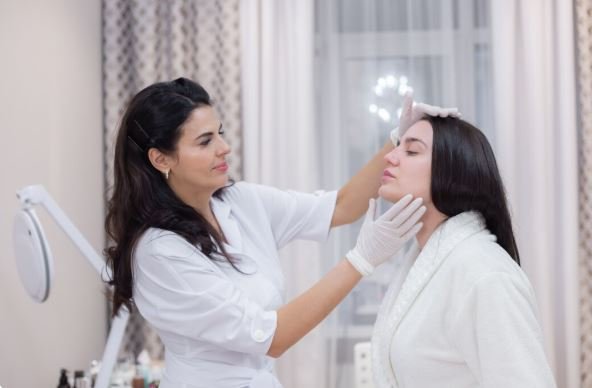
Cosmetic surgery has undergone significant transformations over the decades, not only in terms of procedures but also in how patients are cared for throughout their surgical journey. As the demand for aesthetic alterations grows, understanding the evolution of patient care in this field becomes essential. From early rudimentary practices to sophisticated modern techniques, the emphasis has consistently shifted towards improving patient outcomes and experiences.
Introduction to Cosmetic Surgery
The realm of cosmetic surgery, a branch of medicine dedicated to enhancing appearance through surgical and medical techniques, has roots that trace back to ancient times. While initially focused on reconstructive efforts, the field has expanded to include a wide array of procedures aimed at boosting self-esteem and meeting personal aesthetic goals. As cosmetic surgery has evolved, so too has the approach to patient care, prioritizing safety, satisfaction, and personalization.
Historical Overview of Patient Care in Cosmetic Surgery
Early Practices and Developments
In the early 20th century, cosmetic surgery was primarily reconstructive, with procedures often performed under less-than-ideal conditions. Patient care was limited, focusing mainly on survival and basic recovery. However, post-World War advancements brought significant changes, including improved surgical techniques and better anesthetics, which enhanced patient care and outcomes.
Technological Advancements and Innovations
The latter half of the 20th century witnessed remarkable technological advancements. The introduction of antibiotics and sterilization techniques reduced infection rates, while innovations in anesthesia and surgical instruments enabled more complex procedures with higher success rates. Patient care became more comprehensive, encompassing not only the surgical procedure itself but also pre-operative assessments and post-operative recovery plans.
Modern Trends in Cosmetic Surgery Patient Care
Minimally Invasive Techniques
Today, the preference for minimally invasive procedures is undeniable. Techniques such as laser treatments, injectables like Botox, and endoscopic surgeries offer reduced recovery times and fewer risks, making them highly attractive options. These advancements have reshaped patient care, allowing for quicker returns to daily life and enhanced patient satisfaction.
Personalized Patient Care
Modern cosmetic surgery emphasizes a patient-centric care model. Personalized care plans tailored to individual needs and goals are now standard practice, ensuring that each patient receives the attention and support they require. This approach has increased patient satisfaction and improved overall outcomes.
The Role of Technology in Enhancing Patient Experience
Telemedicine and Virtual Consultations
The integration of telemedicine has revolutionized patient care in cosmetic surgery. Virtual consultations have become increasingly popular, providing patients with convenient access to expert advice and follow-up care without geographical constraints. This technology ensures that patients remain well-informed and supported throughout their surgical journey.
AI and Robotics in Surgery
Artificial intelligence and robotics are at the forefront of surgical innovation. AI assists in planning procedures and predicting outcomes, while robotic systems offer precision that enhances surgical results. These technologies not only improve the accuracy of cosmetic procedures but also contribute to a more efficient and safer patient care process.
Future Directions in Patient Care
Emerging Technologies
As we look to the future, emerging technologies such as 3D printing and augmented reality hold promise for further refining cosmetic surgery techniques. These innovations could lead to more personalized and effective treatments, ultimately enhancing patient care and satisfaction.
Ethical Considerations
With advancements come ethical challenges. Ensuring patient safety, maintaining realistic expectations, and addressing the psychological impacts of cosmetic surgery are critical considerations. Ethical practice remains a cornerstone of patient care as the industry continues to evolve.
How to Choose the Right Cosmetic Surgery Provider
Choosing a qualified and experienced cosmetic surgeon is crucial for ensuring optimal patient care. Consider factors such as the surgeon’s credentials, patient testimonials, and the clinic’s facilities. A thorough consultation to discuss goals and expectations is also essential in making an informed decision.
Conclusion
As cosmetic surgery continues to evolve, so does the approach to patient care. From historical practices to modern innovations, the focus remains on enhancing the patient’s experience and outcomes. By embracing technological advancements and ethical practices, the field of cosmetic surgery is poised to offer even more personalized and effective care in the future.
Frequently Asked Questions
- What are the latest trends in cosmetic surgery patient care? Minimally invasive procedures and personalized care plans are leading trends, focusing on reducing recovery times and enhancing patient satisfaction.
- How has technology improved patient experiences in cosmetic surgery? Technologies like telemedicine, AI, and robotics have made procedures more accessible and precise, improving overall patient care and outcomes.
- What should patients expect during recovery from cosmetic surgery? Recovery varies by procedure but generally includes rest, follow-up appointments, and adherence to post-operative care instructions provided by the surgeon.
- How important is psychological support after cosmetic surgery? Psychological support is crucial as it helps patients adjust to changes and ensures a healthy recovery, both mentally and physically.
- What role does ethics play in cosmetic surgery? Ethics guide safe practices, ensure realistic patient expectations, and address the psychological impacts of surgery, maintaining patient welfare as a priority.