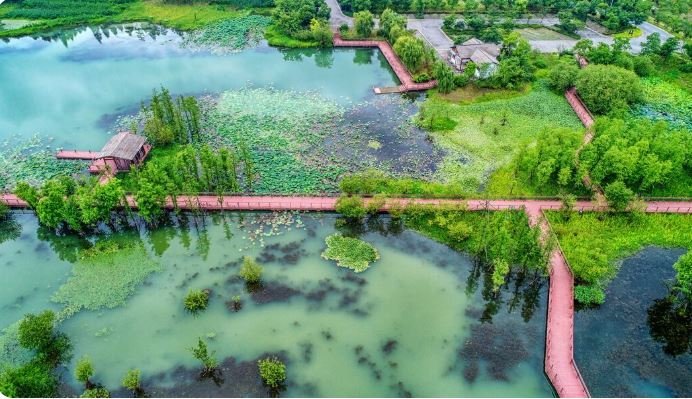
Creating a well-functioning outdoor pond requires more than just excavation and filling it with water. It is a carefully planned process that combines design, engineering, environmental understanding, and long-term maintenance strategies. A properly built pond can become a thriving ecosystem, a visually appealing landscape feature, and a sustainable water environment that supports plant and aquatic life. Achieving this level of balance requires expertise, and this is where the role of a skilled Pond contractor becomes essential in guiding the entire process from concept to completion and beyond.
Understanding the Purpose of Outdoor Water Features
Outdoor ponds serve multiple purposes depending on their design and function. Some are built for aesthetic enhancement, adding natural beauty and tranquility to outdoor spaces. Others are designed to support aquatic life, such as fish and aquatic plants, creating a self-sustaining ecosystem. In some cases, ponds are used for irrigation, water storage, or environmental restoration projects.
Each purpose requires a different design approach. A decorative pond may prioritize visual appeal and landscaping integration, while an ecological pond focuses on water quality, oxygen levels, and biological balance. A knowledgeable Pond contractor evaluates these requirements before construction begins to ensure the final result meets both functional and aesthetic goals.
Without proper planning, ponds can develop issues such as poor water circulation, algae overgrowth, or structural instability, which can compromise their long-term usability.
Planning and Design Principles for Balanced Ecosystems
The foundation of any successful pond lies in its design. Proper planning involves selecting the right location, determining appropriate depth, and designing a shape that supports both functionality and natural appearance. Depth variation is particularly important because it allows different types of aquatic life to thrive and helps regulate water temperature.
Sunlight exposure must also be carefully considered. Too much direct sunlight can encourage algae growth, while too much shade can limit plant development. Soil type and drainage conditions also play a significant role in determining the stability and longevity of the structure.
A professional Pond contractor takes all these factors into account during the design phase to ensure that the pond functions efficiently and remains stable over time. Proper design reduces the likelihood of future maintenance problems and supports a healthier aquatic environment.
Construction Techniques for Long-Term Stability
Once the design is finalized, the construction phase begins. This involves excavation, shaping the pond basin, and preparing the foundation. The structure must be carefully formed to support water retention and prevent leakage.
Lining materials are then installed to ensure waterproofing. These may include rubber liners, clay-based materials, or reinforced concrete depending on the project requirements. Proper installation of these materials is essential for preventing water loss and structural damage.
Filtration systems and water circulation components are also integrated during construction. These systems help maintain water quality by removing debris, controlling nutrient levels, and promoting oxygen distribution. A skilled Pond contractor ensures that all components are installed correctly and function as part of a unified system.
Importance of Water Quality Management
Maintaining clean and balanced water is essential for any pond ecosystem. Poor water quality can lead to issues such as algae blooms, unpleasant odors, and unhealthy conditions for fish and plants. Effective water management focuses on maintaining proper oxygen levels, controlling nutrient buildup, and ensuring consistent circulation.
Filtration systems play a central role in this process. Mechanical filtration removes solid waste, while biological filtration supports beneficial bacteria that break down organic matter. Aeration systems further enhance water quality by increasing oxygen levels and preventing stagnation.
Regular monitoring is necessary to ensure that water conditions remain stable. A Pond contractor often provides maintenance services to help manage water quality and prevent long-term issues.
Role of Aquatic Plants and Natural Balance
Aquatic plants are an essential part of a balanced pond ecosystem. They help regulate oxygen levels, absorb excess nutrients, and provide shelter for fish and other aquatic life. Plants such as water lilies, submerged oxygenators, and marginal vegetation contribute to both the visual appeal and ecological stability of the pond.
However, plant selection must be carefully managed. Overgrowth can lead to imbalanced conditions, while insufficient plant life can result in poor oxygenation and water quality issues. Achieving the right balance is key to maintaining a healthy ecosystem.
A professional Pond contractor understands how to select and position plants to support natural balance while enhancing the overall appearance of the pond.
Common Challenges in Pond Maintenance
Even well-designed ponds can face challenges over time. One of the most common issues is algae overgrowth, which occurs when nutrient levels become too high or when water circulation is insufficient. Another common problem is sediment buildup, which can reduce water depth and affect overall functionality.
Leaks and structural damage can also occur due to aging materials or improper installation. These issues require timely attention to prevent further deterioration. Seasonal changes may also affect pond conditions, requiring adjustments in maintenance routines.
Regular inspection and maintenance are essential for identifying and addressing these challenges before they become serious problems. This is why many property owners rely on a Pond contractor for ongoing care and support.
Importance of Filtration and Circulation Systems
Filtration and circulation systems are critical for maintaining a healthy pond environment. These systems ensure that water remains clean, oxygenated, and free from harmful buildup. Without proper circulation, water can become stagnant, leading to poor conditions for aquatic life.
Pumps are used to keep water moving throughout the system, while filters remove impurities and maintain clarity. Proper system sizing and installation are essential for efficiency and long-term performance.
A well-designed system reduces maintenance requirements and ensures that the pond remains stable and visually appealing over time.
Maintenance Practices for Long-Term Sustainability
Regular maintenance is essential for preserving pond health and appearance. This includes removing debris, cleaning filters, checking water levels, and monitoring plant growth. Routine care helps prevent the buildup of organic matter that can lead to water quality issues.
Seasonal maintenance may also be required to prepare the pond for changes in temperature and environmental conditions. This can include adjusting filtration settings, trimming plants, and checking equipment functionality.
A reliable Pond contractor often provides scheduled maintenance services to ensure that all aspects of the pond remain in optimal condition throughout the year.
Repair and Restoration of Existing Ponds
Over time, ponds may require repairs due to wear and tear or environmental factors. Common repairs include fixing leaks, replacing liners, upgrading filtration systems, and restoring water balance.
In some cases, older ponds may need full restoration to improve functionality and aesthetics. This may involve redesigning certain elements or upgrading outdated systems to modern standards.
Professional assessment is essential to determine the best course of action. A skilled Pond contractor can evaluate existing conditions and recommend appropriate repair or restoration solutions.
Environmental and Ecological Considerations
Modern pond design increasingly focuses on sustainability and environmental responsibility. Eco-friendly materials, energy-efficient pumps, and natural filtration methods are often used to reduce environmental impact.
Rainwater harvesting and natural filtration systems can also be incorporated to minimize reliance on external water sources. These practices help create more sustainable and environmentally friendly pond systems.
A knowledgeable Pond contractor integrates these principles into design and construction to ensure long-term ecological balance.
Long-Term Value of Professional Pond Management
Investing in professional pond design and maintenance provides long-term value. A well-constructed and properly maintained pond enhances property aesthetics, supports biodiversity, and creates a peaceful outdoor environment.
Regular care reduces the risk of costly repairs and ensures consistent performance over time. It also helps maintain water quality and structural integrity.
Working with an experienced Pond contractor ensures that all aspects of pond management are handled professionally, resulting in a stable and sustainable water feature.
Final Thoughts on Balanced Pond Systems
Designing and maintaining a healthy outdoor pond requires careful planning, technical knowledge, and ongoing care. From initial design to long-term maintenance, every stage plays a critical role in ensuring the success of the system.
A professional Pond contractor provides the expertise needed to create balanced, functional, and visually appealing water features that stand the test of time. With proper design, construction, and maintenance, ponds can become sustainable ecosystems that enhance outdoor spaces and support natural life for years to come.