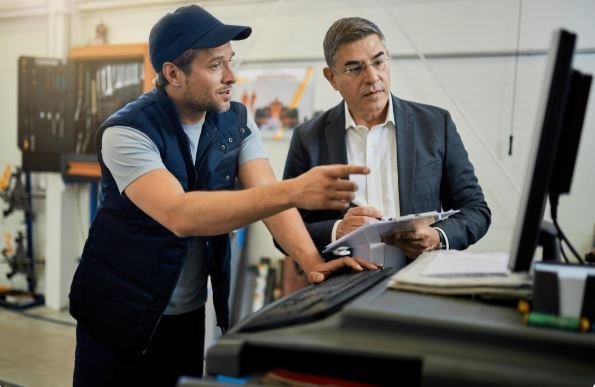
The industrial equipment market offers many opportunities for businesses and individuals looking to acquire machinery at competitive prices. One of the most dynamic ways to purchase used material handling equipment is through competitive bidding events where buyers can access a wide range of machines. Among these, forklift auctions have become increasingly popular because they provide access to equipment that can support warehouse operations, logistics, and construction needs at potentially reduced costs. However, success in this environment requires careful planning, technical knowledge, and a clear understanding of equipment condition and value.
Understanding the Industrial Equipment Marketplace
The industrial equipment market operates on both primary and secondary levels. The primary market involves new machinery purchased directly from manufacturers, while the secondary market includes used equipment sold through resale channels. The secondary market is particularly attractive for businesses looking to reduce costs without sacrificing operational capability.
Forklifts are one of the most commonly traded machines in this secondary market due to their widespread use in warehouses, distribution centers, and manufacturing facilities. Because of their durability and long operational lifespan, used forklifts often retain significant value even after years of service.
In this environment, forklift auctions provide a structured platform where buyers and sellers can interact transparently, allowing equipment to change ownership based on competitive bidding rather than fixed pricing.
How Competitive Equipment Sales Platforms Work
Competitive equipment sales platforms operate by listing available machinery for bidding over a set period. Buyers place bids based on their valuation of the equipment, and the highest bidder typically secures the item at the end of the auction period.
These platforms often include detailed descriptions, photographs, and sometimes inspection reports of the equipment. This information helps buyers make informed decisions before placing bids.
Forklift auctions in particular may include a variety of models, from older warehouse units to more modern machines with advanced features. The diversity of inventory makes these events attractive to both small businesses and large industrial operations.
Advantages of Purchasing Through Competitive Sales
One of the main advantages of purchasing through auction-based systems is cost efficiency. Buyers can often acquire equipment at lower prices compared to traditional retail channels. This is especially beneficial for businesses operating on tight budgets or those looking to expand their fleet without significant capital investment.
Another advantage is variety. Auctions often include multiple types of forklifts, allowing buyers to compare models and select equipment that best suits their operational needs.
Additionally, forklift auctions provide access to equipment that may not be readily available through standard dealerships. This includes discontinued models, specialized machines, and bulk inventory from companies upgrading their fleets.
Key Factors to Consider Before Bidding
Before participating in any auction, it is important to evaluate several key factors. Equipment condition is one of the most critical considerations. Buyers should carefully review inspection reports, service history, and usage hours to assess the machine’s reliability.
Another important factor is operational requirements. Not all forklifts are suitable for every application. Load capacity, lift height, fuel type, and maneuverability must all align with the intended use.
Budget planning is also essential. While auctions can offer competitive pricing, bidding without a clear limit can lead to overspending. Establishing a maximum budget beforehand helps ensure financial discipline during the bidding process.
Understanding these factors is essential when participating in forklift auctions, as informed decisions significantly reduce the risk of purchasing unsuitable equipment.
Evaluating Equipment Condition and Performance
Assessing the condition of industrial machinery requires attention to both visible and mechanical aspects. External signs such as rust, tire wear, and structural damage can provide initial insights into how the equipment has been maintained.
Mechanical performance is equally important. Engine condition, hydraulic system functionality, braking efficiency, and steering responsiveness all play a role in determining overall usability.
In many cases, auction platforms provide limited opportunities for physical inspection, making it crucial for buyers to carefully analyze available documentation. When possible, attending preview sessions or requesting additional information can help reduce uncertainty.
Proper evaluation is especially important in forklift auctions, where equipment performance directly impacts workplace safety and efficiency.
Understanding Market Value and Pricing Trends
Market value for industrial equipment varies based on several factors, including age, condition, brand reputation, and usage history. Well-maintained forklifts from reputable manufacturers tend to retain higher value even after extended use.
Pricing trends in auction environments can fluctuate depending on demand and inventory availability. During periods of high demand, competition among buyers can drive prices upward. Conversely, increased supply may lead to more favorable purchasing opportunities.
Understanding these dynamics helps buyers make strategic decisions and avoid overpaying for equipment.
Risks Associated with Auction-Based Purchases
While auctions offer many benefits, they also come with certain risks. One of the primary risks is uncertainty regarding equipment condition. Without thorough inspection, buyers may encounter hidden mechanical issues after purchase.
Another risk is competitive bidding pressure. The fast-paced nature of auctions can lead to impulsive decisions, resulting in higher-than-expected purchase prices.
Additionally, limited warranty options are common in auction purchases, meaning buyers often assume responsibility for repairs and maintenance after acquisition.
Awareness of these risks is essential when participating in forklift auctions, as it helps buyers prepare and make more informed decisions.
Strategies for Successful Bidding
Successful participation in competitive sales requires preparation and discipline. One effective strategy is conducting thorough research before the auction begins. Understanding equipment specifications, market value, and maintenance history helps set realistic expectations.
Another important strategy is setting a strict budget limit and sticking to it. Emotional bidding can lead to overspending, especially in competitive environments.
Timing is also important. Observing bidding patterns and placing strategic bids can increase the chances of securing equipment at a reasonable price.
These strategies are particularly useful in forklift auctions, where competition can be intense and decision-making must be quick and precise.
Importance of Post-Purchase Inspection and Maintenance
After acquiring equipment through auction, a detailed inspection is essential before putting it into operation. This helps identify any immediate repairs or maintenance requirements.
Regular servicing ensures that the equipment remains safe and functional. Components such as hydraulic systems, brakes, tires, and engines should be checked and maintained according to manufacturer guidelines.
Proper maintenance extends the lifespan of machinery and improves operational reliability, making it a critical step after purchase.
Role of Auctions in Industrial Growth and Expansion
Auction-based purchasing plays an important role in supporting industrial growth. It allows businesses to acquire necessary equipment at reduced costs, enabling expansion without excessive capital investment.
Small and medium-sized enterprises particularly benefit from access to affordable machinery, which helps them compete more effectively in the market.
Forklift auctions contribute to this growth by providing access to essential material handling equipment that supports warehouse operations and logistics efficiency.
Long-Term Value of Strategic Equipment Acquisition
Making informed purchasing decisions through auctions can provide long-term value for businesses. Acquiring well-maintained equipment at competitive prices allows organizations to allocate resources more efficiently.
Over time, strategic acquisitions contribute to improved operational capacity, reduced overhead costs, and increased productivity.
When approached carefully, forklift auctions can be a valuable resource for building and expanding industrial fleets.
Final Thoughts on Competitive Equipment Purchasing
Participating in industrial equipment auctions requires a combination of knowledge, preparation, and strategic thinking. Understanding equipment condition, market value, and bidding dynamics is essential for making informed decisions.
While there are risks involved, careful planning and disciplined bidding can lead to significant benefits. Forklift auctions offer opportunities to acquire reliable equipment at competitive prices, making them an important part of the industrial equipment marketplace.
With proper evaluation and post-purchase care, businesses can successfully integrate auction-acquired machinery into their operations and achieve long-term efficiency and growth.