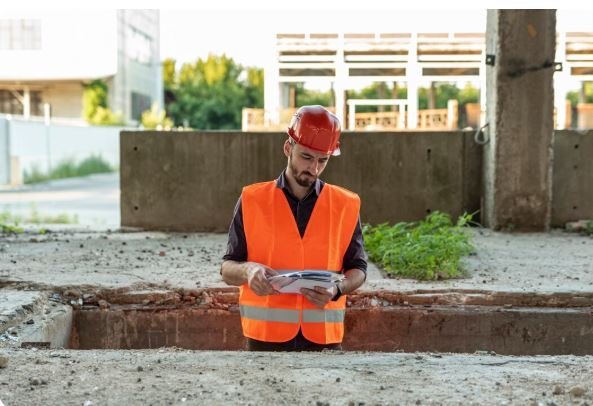
Introduction to Site Preparation in Construction
Every successful construction project begins long before the first brick is laid or the first column is erected. The foundation of any structure depends heavily on how well the land has been prepared. Without proper preparation, even the most advanced building designs can face serious structural issues over time. This is why the early stages of construction are considered the most critical, as they set the stage for everything that follows.
One of the most important steps in this process involves preparing the ground to ensure it is stable, level, and suitable for building. This includes removing obstacles, shaping the land, and ensuring the soil conditions are appropriate for construction. In this context, excavation and grading play a central role in transforming raw land into a safe and reliable foundation for development.
Understanding the Importance of Ground Preparation
Ground preparation is essential because it directly affects the stability and longevity of any structure. If the soil is uneven, weak, or improperly compacted, it can lead to serious problems such as foundation cracks, water drainage issues, and structural shifting. These issues can become costly to repair and may even compromise the safety of the building.
Proper preparation ensures that the land can support the weight of the structure and remain stable under different environmental conditions. It also helps manage water flow, preventing erosion and flooding issues that could damage the foundation over time.
The Role of Excavation in Construction Projects
Excavation is one of the first and most important steps in site preparation. It involves removing soil, rock, and other materials to create a stable base for construction. This process helps shape the land according to the design requirements of the project.
During excavation and grading, workers carefully remove unwanted materials and adjust the ground level to match engineering specifications. This ensures that the foundation is built on solid and properly prepared soil. Excavation also allows for the installation of underground systems such as plumbing, electrical lines, and drainage structures.
Modern excavation techniques use advanced machinery such as excavators, bulldozers, and loaders. These machines make the process faster, more accurate, and safer compared to manual methods.
Understanding the Purpose of Grading in Site Development
Grading is the process of leveling and shaping the land after excavation. It ensures that the surface has the correct slope and elevation for construction. Proper grading is essential for water drainage, as it prevents water from pooling around the foundation.
Without proper grading, water can accumulate in unwanted areas, leading to soil erosion, structural damage, and long-term maintenance problems. By carefully controlling the slope of the land, engineers ensure that water flows away from the building and into designated drainage systems.
In excavation and grading, both processes work together to create a stable and functional construction site. While excavation removes excess material, grading refines the surface to achieve the desired shape and stability.
Key Steps in the Site Preparation Process
The process of preparing land for construction involves several important steps that must be completed in a specific order. Each step plays a role in ensuring that the site is safe, stable, and ready for building.
The first step is site inspection and analysis. Engineers evaluate the condition of the land, including soil type, slope, and existing vegetation. This helps determine the best approach for preparation.
The second step involves clearing the land. Trees, rocks, and debris are removed to create a clean working area. This is followed by excavation and grading, where the land is reshaped and leveled according to project requirements.
Finally, soil compaction and stabilization are carried out to strengthen the ground and prepare it for the foundation. Each of these steps is essential for ensuring long-term structural integrity.
Equipment Used in Modern Site Preparation
Modern construction projects rely heavily on advanced machinery to complete site preparation efficiently and accurately. Excavators are used for digging and removing soil, while bulldozers help push and level large amounts of material. Graders are specifically designed for creating smooth and even surfaces.
In addition to heavy machinery, technology also plays an important role. GPS systems and laser-guided equipment help ensure precise measurements during excavation and grading. This level of accuracy is essential for meeting engineering standards and ensuring the stability of the final structure.
The combination of skilled operators and advanced equipment allows construction teams to complete complex tasks quickly and safely.
Importance of Soil Quality and Testing
Soil quality is a major factor in determining how well a structure will perform over time. Different types of soil have different levels of strength, drainage, and stability. Before construction begins, soil testing is conducted to analyze its properties.
This testing helps engineers understand whether the soil needs to be treated, replaced, or compacted. In some cases, poor soil conditions may require additional reinforcement before construction can proceed.
Proper excavation and grading ensure that unsuitable soil is removed and replaced with more stable material if necessary. This step is critical for preventing future structural issues.
Water Management and Drainage Control
One of the most important aspects of site preparation is managing water flow. Poor drainage can lead to serious problems such as flooding, erosion, and foundation damage. Proper grading ensures that water flows away from the structure and into safe drainage areas.
Engineers carefully design slopes and channels during excavation and grading to control how water moves across the site. This helps protect the foundation and surrounding landscape from water-related damage.
Effective drainage systems also contribute to the long-term durability of the structure by preventing moisture buildup and soil instability.
Safety Considerations in Site Preparation
Safety is a top priority during all stages of construction, especially during early site preparation. Heavy machinery, unstable ground, and environmental conditions can all pose risks to workers if proper precautions are not taken.
Construction teams follow strict safety protocols to ensure that excavation and grading activities are carried out safely. This includes using protective equipment, maintaining safe distances from machinery, and conducting regular site inspections.
Proper planning and supervision help minimize accidents and ensure that the project progresses smoothly.
Environmental Impact and Sustainable Practices
Modern construction practices place a strong emphasis on environmental responsibility. Site preparation must be carried out in a way that minimizes damage to the surrounding ecosystem. This includes preserving natural vegetation where possible and managing soil erosion effectively.
Sustainable excavation and grading practices also involve recycling materials and reducing waste. Excess soil and rocks can often be reused for other parts of the project, reducing the need for additional resources.
By adopting environmentally friendly methods, construction projects can reduce their ecological footprint while still achieving high-quality results.
Challenges in Ground Preparation Work
While site preparation is essential, it can also present several challenges. Unpredictable soil conditions, weather changes, and underground obstacles can all affect the progress of a project. These challenges require careful planning and quick problem-solving skills.
In some cases, additional excavation and grading may be needed to address unexpected issues. Flexibility and experience are key factors in successfully managing these challenges.
Despite these difficulties, proper planning and the use of advanced equipment help ensure that most projects are completed efficiently and safely.
Long-Term Benefits of Proper Site Preparation
Investing time and effort into proper ground preparation offers significant long-term benefits. A well-prepared site ensures structural stability, reduces maintenance costs, and improves the overall lifespan of the building.
Proper excavation and grading also help prevent future problems such as foundation cracking, water damage, and soil shifting. These benefits make early-stage preparation one of the most important investments in any construction project.
By ensuring that the foundation is built on solid ground, developers can achieve greater durability and performance from their structures.
Conclusion on the Importance of Ground Preparation
Proper ground preparation is the foundation of every successful construction project. It ensures that the land is stable, safe, and ready to support long-term development. From initial site analysis to final grading, each step plays a critical role in creating a strong and reliable base for construction.
Excavation and grading are essential processes that work together to shape and stabilize the land. When performed correctly, they help prevent structural issues, improve drainage, and enhance overall building performance.
By prioritizing careful planning, skilled execution, and modern equipment, construction teams can ensure that every project begins on the right foundation and achieves lasting success.