Understanding the Role of an Exterminator
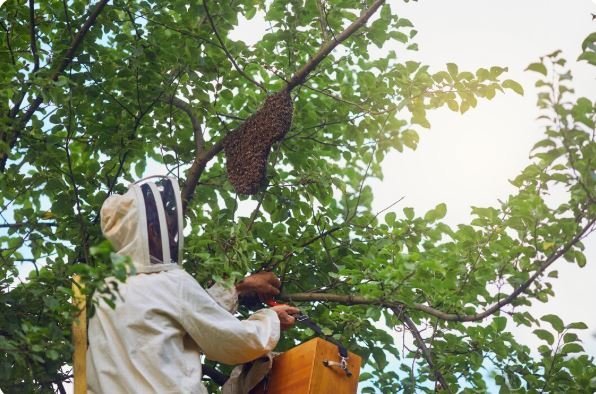
An exterminator is a professional trained to manage, control, and eliminate a wide range of pests that threaten both residential and commercial properties. Pests, including rodents, insects, termites, bed bugs, and other unwanted organisms, can cause serious damage to property, compromise health, and lead to financial loss if not addressed properly. Exterminators are equipped with the expertise, knowledge, and specialized tools necessary to identify the type of infestation, locate its source, and implement a strategic treatment plan tailored to the specific needs of a property.
The role of an exterminator goes beyond simply eradicating pests; it involves creating a comprehensive plan that includes inspection, treatment, prevention, and ongoing monitoring to ensure long-term protection against infestations. Their expertise is particularly valuable in addressing hidden infestations, where pests often remain undetected until significant damage has occurred, making proactive intervention essential for maintaining both structural integrity and the safety of occupants.
Types of Pest Infestations Addressed by Exterminators
Exterminators handle a wide variety of pest problems, ranging from common household nuisances to serious infestations that threaten health and property. Common pests managed by exterminators include termites, ants, cockroaches, rodents, bed bugs, mosquitoes, and wildlife such as raccoons or squirrels. Each pest presents unique challenges due to its behavior, reproductive cycle, and preferred habitats, requiring specialized approaches for effective management.
For instance, termites can cause hidden structural damage by feeding on wood, whereas rodents not only damage property by gnawing but also pose significant health risks through droppings and disease transmission. Bed bugs infest bedding and furniture and are notoriously difficult to eliminate without professional methods. Mosquitoes are carriers of diseases such as West Nile virus and dengue, making outdoor control critical for health safety.
Exterminators assess the severity and type of infestation, identify vulnerabilities in the property, and deploy targeted treatments, which may include chemical applications, traps, physical removal, or integrated pest management techniques to ensure comprehensive elimination and prevention.
Inspection and Assessment Techniques
The first step in effective pest management by an exterminator is a thorough inspection and assessment of the property. This step involves identifying the type of pests present, their population size, points of entry, and areas of activity. Exterminators use a combination of visual inspections, monitoring tools, and sometimes even technology such as infrared cameras or moisture detection devices to detect hidden infestations.
The assessment stage is critical because it allows the exterminator to develop a treatment plan tailored to the unique circumstances of the property, ensuring that efforts are focused where they are most needed. During this stage, the exterminator also evaluates environmental conditions, such as humidity levels, food sources, and structural vulnerabilities, which may contribute to pest infestations. Accurate assessment prevents misapplication of treatments and ensures that the methods used are both effective and safe for the occupants and environment.
Treatment Methods and Strategies
Exterminators employ a variety of treatment methods depending on the type of pest, the extent of the infestation, and the environment in which the property exists. Chemical treatments are widely used and include the application of termiticides, insecticides, rodenticides, and other specialized compounds that target specific pests while minimizing harm to non-target species. These chemicals are applied strategically to maximize effectiveness and often include barrier treatments, spot treatments, and residual applications that provide ongoing protection.
In addition to chemical approaches, exterminators may use non-chemical methods such as traps, baits, heat treatments, or physical removal of pests and their nests. Integrated Pest Management (IPM) is an increasingly popular approach that combines multiple strategies to reduce reliance on chemicals while achieving long-term pest control. IPM techniques include sanitation, exclusion, habitat modification, and monitoring, which allow exterminators to prevent future infestations effectively.
By combining these methods, exterminators ensure comprehensive management that addresses both the immediate infestation and the long-term prevention of pests.
Preventive Measures and Long-Term Solutions
Prevention is a core component of the services provided by an exterminator. Once pests have been removed, ongoing strategies are implemented to prevent reinfestation and maintain a safe, pest-free environment. Preventive measures include sealing entry points such as cracks, gaps, and vents, removing sources of food and water, maintaining proper sanitation, and monitoring high-risk areas.
Exterminators may also recommend structural improvements, such as installing screens, barriers, or moisture control systems, to reduce conditions favorable to pests. For instance, termites and ants thrive in moist environments, so proper drainage and ventilation can significantly reduce the likelihood of infestations.
Additionally, regular inspections and maintenance programs conducted by exterminators ensure that properties remain protected over time, enabling early detection and rapid intervention if pests attempt to return. Long-term prevention not only safeguards property value but also reduces health risks and minimizes the financial burden associated with recurring infestations.
Importance of Professional Exterminator Services
While homeowners may attempt DIY pest control methods, professional exterminators provide a level of expertise and precision that is difficult to achieve without proper training. Professional exterminators understand the behavior of pests, their preferred habitats, and their reproductive cycles, allowing them to target the root of the problem rather than merely addressing surface-level symptoms.
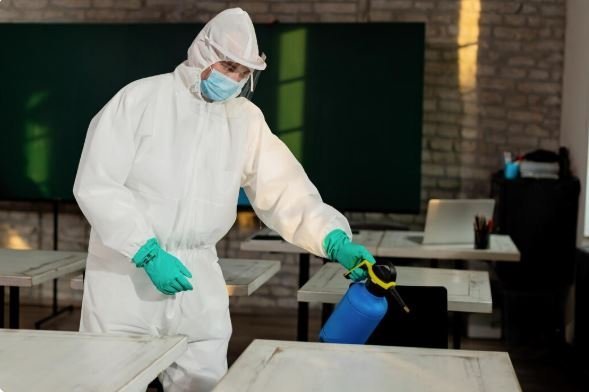
Additionally, professional treatments are conducted with safety considerations in mind, including proper handling and application of chemicals, use of protective equipment, and adherence to environmental regulations. By hiring an exterminator, property owners gain access to specialized tools, advanced treatment methods, and expert guidance, which collectively result in more effective pest management and long-term property protection.
Furthermore, professional services often include monitoring and maintenance plans that ensure ongoing protection, reducing the likelihood of future infestations and safeguarding the health and well-being of occupants.
Health and Safety Considerations
Pests are not only a nuisance but also a significant health concern, as they can carry diseases, contaminate food, and trigger allergies or respiratory issues. An exterminator plays a critical role in minimizing these health risks by using safe and effective treatment methods. Chemicals are applied with precision to avoid exposure to humans and pets, and exterminators follow strict guidelines to ensure that treatments do not adversely affect the environment.
In cases of severe infestations, additional safety protocols may be employed, including evacuation, containment, and specialized cleaning to remove contaminants left by pests. By addressing both the infestation and potential health hazards, exterminators provide comprehensive protection that goes beyond property damage, ensuring the safety and well-being of all occupants.
Technological Advancements in Pest Control
The field of pest management has seen significant technological advancements that enhance the effectiveness and efficiency of exterminators. Modern tools such as infrared cameras, moisture sensors, ultrasonic detection devices, and smart monitoring systems allow exterminators to locate hidden infestations with greater accuracy.
Digital tracking and data analysis help in identifying infestation patterns, predicting pest behavior, and developing proactive treatment plans. Additionally, eco-friendly and reduced-toxicity chemicals are being developed to minimize environmental impact while maintaining high efficacy against pests.
These advancements allow exterminators to deliver targeted, sustainable solutions that provide long-term results and reduce the likelihood of recurring infestations, ensuring both property protection and environmental responsibility.
Challenges in Pest Management
Despite the expertise of exterminators, pest control remains a challenging field due to the adaptability and resilience of pests. Many species reproduce rapidly, hide in inaccessible areas, and develop resistance to certain chemicals, making infestations difficult to eradicate completely. Environmental factors, including climate, humidity, and structural vulnerabilities, also influence the success of treatment methods.
Exterminators overcome these challenges by employing a combination of strategies, staying informed about new research and technologies, and continuously monitoring treated areas to ensure effectiveness. Understanding these challenges is crucial for property owners, as it emphasizes the importance of professional, ongoing pest management services rather than relying solely on temporary or DIY solutions.
Long-Term Benefits of Professional Pest Management
Engaging an exterminator provides long-term benefits that go beyond immediate pest removal. Effective pest management preserves the structural integrity of a building, protects property value, reduces repair costs, minimizes health risks, and provides peace of mind for occupants.
Professional exterminators offer ongoing support, including inspections, monitoring, and preventive recommendations, which help maintain a pest-free environment over time. By investing in professional services, property owners ensure that their properties remain safe, functional, and comfortable, while avoiding the financial and emotional stress associated with recurring infestations.
The combination of immediate eradication, preventive strategies, and long-term monitoring represents the most comprehensive approach to pest management available.
Conclusion
Exterminators play a vital role in safeguarding properties from a wide range of pests that threaten structural integrity, health, and overall well-being. Their expertise, specialized tools, and comprehensive treatment strategies provide immediate relief from infestations and long-term protection through preventive measures and monitoring programs.
Effective pest management relies on a combination of inspection, treatment, prevention, and ongoing maintenance, all of which are integral components of the services provided by professional exterminators. By understanding the behavior of pests, addressing infestations promptly, and implementing preventive strategies, property owners can maintain safe, healthy, and pest-free environments, ensuring both the longevity of their structures and the safety of all occupants.