Introduction to Early Sports Education
Early childhood is a critical period for physical, mental, and social development. During these formative years, children are highly receptive to learning new skills, forming habits, and developing attitudes that can last a lifetime. Sports education plays a vital role in shaping these qualities by encouraging active lifestyles, teamwork, discipline, and confidence. Among various sports, soccer stands out as one of the most effective tools for youth development due to its global popularity, simplicity, and dynamic nature.
Structured training environments are designed to help children transition from casual play to more organized skill-building experiences. These programs focus on teaching the fundamentals of the game while also nurturing broader life skills. In this context, soccer classes for kids become an essential platform where young players can learn, grow, and enjoy the process of development in a supportive environment.
Importance of Structured Learning in Youth Sports
Unstructured play is valuable for creativity and enjoyment, but structured learning provides direction and measurable progress. Children benefit greatly from having clear goals, guided instruction, and consistent feedback. Structured sports education introduces them to disciplined routines that help improve focus and long-term commitment.
In organized training settings, children learn step-by-step progression. They begin with basic movements and gradually advance to more complex skills. This ensures that their development is balanced and sustainable. Without structure, children may develop incorrect techniques that become difficult to correct later.
Programs such as soccer classes for kids are specifically designed to provide this structure in a way that remains engaging and enjoyable. The combination of discipline and fun creates an ideal learning environment for young athletes.
Building Foundational Physical Skills
Physical development is one of the primary benefits of early sports participation. Soccer training helps children improve coordination, balance, agility, and overall fitness. These foundational skills are essential not only for sports but also for general health and well-being.
At the beginner level, children engage in simple activities such as running drills, ball control exercises, and basic passing techniques. These exercises help develop motor skills and body awareness. As they progress, they are introduced to more advanced movements that require greater control and precision.
Soccer classes for kids focus on repetitive practice and playful learning to ensure that children develop strong physical foundations without feeling overwhelmed. This gradual approach helps build confidence and long-term skill retention.
Developing Technical Abilities Through Practice
Technical skills are at the core of soccer performance. These include dribbling, passing, shooting, and ball control. Mastering these skills requires consistent practice and proper guidance from experienced coaches.
Children learn these techniques through structured drills that are designed to simulate real-game situations. This helps them understand how to apply their skills effectively during matches. Repetition is key in this process, as it allows movements to become natural and instinctive over time.
In soccer classes for kids, technical training is introduced in a progressive manner. Coaches ensure that each child develops at their own pace while maintaining a strong foundation of essential skills. This personalized approach supports steady improvement and long-term development.
Enhancing Cognitive and Decision-Making Skills
Sports are not only physical activities but also mental exercises. Soccer requires quick thinking, strategic awareness, and the ability to make decisions under pressure. Children learn how to analyze situations, anticipate movements, and choose appropriate actions during gameplay.
Structured training programs often include small-sided games and scenario-based drills. These activities encourage children to think critically and adapt quickly to changing situations. Over time, this improves their game intelligence and problem-solving abilities.
Soccer classes for kids are particularly effective in developing these cognitive skills because they emphasize both learning and application. Children are encouraged to think independently while still working within a team structure.
Social Development and Team Interaction
One of the most valuable aspects of youth sports is social development. Children learn how to interact with peers, communicate effectively, and work as part of a team. These experiences help build emotional intelligence and interpersonal skills.
Team-based activities teach children the importance of cooperation, respect, and shared responsibility. They learn how to support teammates, handle disagreements, and celebrate collective success. These lessons are essential for personal development beyond sports.
In soccer classes for kids, teamwork is a central focus. Children participate in group exercises and matches where collaboration is necessary for success. This helps them build friendships and develop a sense of belonging within a team environment.
Building Confidence and Emotional Strength
Confidence is a key outcome of consistent sports participation. As children learn new skills and achieve milestones, they gain a sense of accomplishment that boosts self-esteem. This confidence extends beyond sports and positively influences academic performance and social interactions.
Sports also teach children how to handle failure and setbacks. Losing a game or making mistakes becomes an opportunity for learning rather than discouragement. This helps build emotional resilience and a growth mindset.
Structured programs like soccer classes for kids provide a safe and supportive environment where children can experiment, make mistakes, and improve without fear of judgment. This fosters emotional strength and long-term confidence.
Role of Coaches in Youth Development
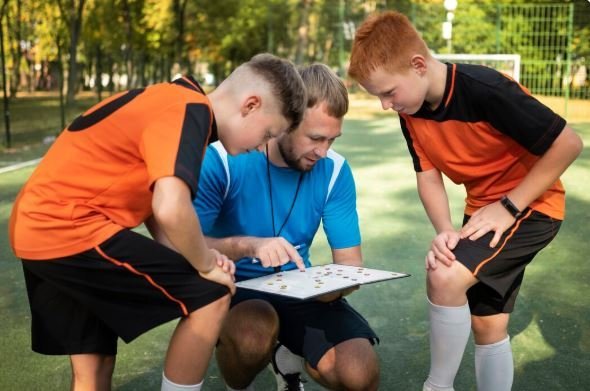
Coaches are essential in guiding young athletes through their development journey. They provide instruction, motivation, and feedback while also serving as role models. A good coach understands how to balance discipline with encouragement to create a positive learning environment.
Effective coaching involves adapting teaching methods to suit different learning styles and age groups. Coaches must be patient, observant, and supportive to ensure that each child receives the attention they need.
In soccer classes for kids, coaches play a mentorship role. They help children set goals, track progress, and stay motivated throughout their training. Their influence is crucial in shaping both athletic and personal development.
Importance of Enjoyment in Learning
Enjoyment is a key factor in maintaining long-term interest in sports. If training becomes too rigid or repetitive, children may lose motivation. Therefore, successful programs integrate fun and creativity into their sessions.
Games, challenges, and interactive drills are commonly used to keep children engaged. This approach ensures that learning feels natural and enjoyable rather than forced. When children enjoy what they are doing, they are more likely to stay committed and improve consistently.
Soccer classes for kids are designed with this principle in mind, combining structured training with playful activities that keep children motivated and excited to participate.
Long-Term Benefits of Early Sports Education
The benefits of early sports training extend far beyond childhood. Children who participate in structured programs often develop better physical health, stronger social skills, and improved discipline. These qualities contribute to success in various areas of life, including academics and future careers.
Early exposure to teamwork and structured learning also helps children develop leadership qualities and a strong work ethic. They learn how to set goals, work consistently toward them, and handle challenges effectively.
Programs such as soccer classes for kids provide a strong foundation for lifelong physical activity and personal growth. Even if children do not pursue sports professionally, the skills they gain remain valuable throughout their lives.
Balancing Sports with Other Life Activities
A well-rounded lifestyle is essential for healthy development. While sports provide many benefits, children must also focus on academics, family time, and rest. Proper balance ensures that they do not become overwhelmed or burnt out.
Parents and coaches play an important role in helping children manage their schedules effectively. Encouraging time management and prioritization helps children maintain a healthy balance between sports and other responsibilities.
Structured programs like soccer classes for kids are designed to complement this balance by offering age-appropriate training schedules that support overall well-being.
Conclusion on Youth Development Through Sports
Early sports education plays a vital role in shaping well-rounded individuals. Through structured training, children develop physical abilities, cognitive skills, social awareness, and emotional strength. These qualities contribute to both athletic performance and personal growth.
Programs such as soccer classes for kids provide an ideal environment for children to explore their potential, build confidence, and enjoy the process of learning. With the right guidance and support, young athletes can develop strong foundations that benefit them throughout their lives.
By investing in early sports education, parents and communities help create opportunities for children to grow into healthy, confident, and capable individuals prepared for future challenges.