Introduction to Roofing and Structural Safety
Roofing is one of the most critical elements of any building because it protects the entire structure from environmental damage such as rain, wind, heat, and storms. A properly constructed roof ensures safety, stability, and long-term durability of the property. Without a strong roofing system, even the best-built structure can suffer from leaks, insulation failure, and serious structural issues over time.
Professionals known as roofers are responsible for installing, repairing, and maintaining roofing systems. Their work ensures that roofs are properly designed and constructed to withstand environmental stress. Roofing is not just about placing materials on top of a building; it involves engineering, planning, and technical expertise to ensure long-lasting protection.
Importance of Strong Roofing Systems
A roofing system acts as the first layer of defense for any building. It protects interiors from water damage, temperature fluctuations, and external environmental conditions. A well-designed roof also helps regulate indoor temperature, improving energy efficiency and reducing utility costs.
Over time, roofs are exposed to harsh conditions such as sunlight, rain, and wind, which gradually weaken materials. Without proper maintenance, small issues like cracks or leaks can turn into major structural problems. This is why regular inspections and timely repairs are essential.
Roofers play an important role in identifying potential problems early and providing effective solutions that extend the lifespan of roofing systems.
Role of Roofing Professionals in Construction
Roofing professionals are responsible for a wide range of tasks including installation, repair, inspection, and maintenance. They ensure that roofing systems are built according to safety standards and technical requirements.
Roofers evaluate roof conditions, detect weaknesses, and recommend appropriate repair or replacement options. They also ensure that materials are installed correctly and securely to avoid future issues such as leaks or structural instability.
Their expertise is essential in both residential and commercial projects because roofing quality directly affects the safety and value of a building.
Types of Roofing Materials and Their Benefits
Different roofing materials offer different advantages depending on the structure and environmental conditions. Asphalt shingles are widely used due to their affordability and ease of installation. Metal roofing is known for its durability and resistance to extreme weather conditions.
Tile roofing provides a traditional appearance with long-lasting performance, while synthetic materials offer modern solutions that are lightweight and low-maintenance.
Roofers carefully select materials based on durability, climate, and budget requirements to ensure the best long-term results for the structure.
Roof Installation Process and Technical Precision
Roof installation is a detailed process that requires careful planning and execution. It begins with preparing the roof structure by inspecting and repairing the base to ensure stability.
After preparation, an underlayment is installed to provide moisture protection. This layer helps prevent water infiltration and improves the overall durability of the roofing system.
Next, roofing materials are installed in a structured manner to ensure proper alignment and secure fastening. Flashing is added around edges, vents, and joints to prevent leakage.
Professional roofers ensure that every step is completed accurately to create a strong and long-lasting roofing system.
Importance of Regular Roof Maintenance
Maintenance is essential for keeping roofing systems in good condition. Over time, exposure to weather conditions can cause gradual wear and damage.
Routine inspections help identify issues such as missing shingles, clogged drainage, or minor leaks before they become serious problems. Cleaning gutters and removing debris also help maintain roof performance.
Experienced roofers can perform maintenance efficiently and ensure that roofing systems continue to function properly for many years.
Roof Repair and Restoration Techniques
Roof repair involves fixing damaged areas such as cracks, leaks, or broken shingles. Timely repairs prevent further damage and extend the life of the roof.
In some cases, restoration methods are used instead of full replacement. These may include sealing, coating, or reinforcing weak sections of the roof.
Roofers assess the damage carefully and choose the most effective repair method to restore strength and functionality.
Roof Replacement for Long-Term Protection
When a roof becomes too damaged or reaches the end of its lifespan, replacement becomes necessary. This involves removing the old roofing system and installing a new one with improved materials and design.
Roof replacement provides an opportunity to upgrade insulation, improve energy efficiency, and enhance durability.
Skilled roofers ensure that replacement projects are completed efficiently and provide long-term protection for the structure.
Safety Measures in Roofing Work
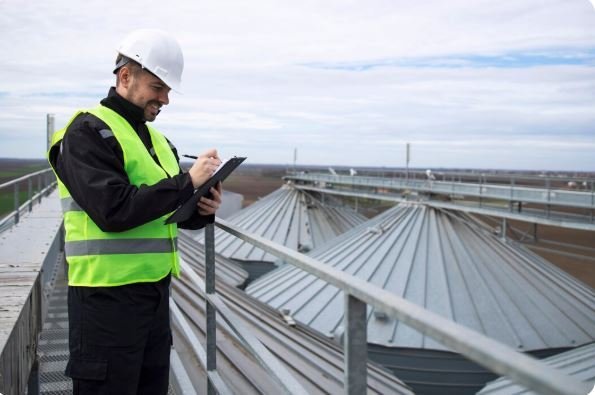
Roofing involves working at heights and handling heavy materials, making safety a top priority. Proper equipment such as helmets, harnesses, and non-slip footwear is essential.
Scaffolding and secure ladders are used to ensure safe access to roofing areas. Safety guidelines must be followed at all times to prevent accidents.
Roofers are trained to follow strict safety procedures to ensure both worker protection and project quality.
Environmental Factors in Roofing Systems
Modern roofing systems are designed with environmental sustainability in mind. Many materials are recyclable and energy-efficient, helping reduce environmental impact.
Cool roofing systems reflect sunlight and reduce heat absorption, improving energy efficiency in buildings. Proper disposal of old materials also supports environmental protection.
Roofers often recommend eco-friendly roofing solutions that balance performance and sustainability.
Common Challenges in Roofing Projects
Roofing projects can face challenges such as weather delays, material shortages, and structural issues. These challenges can affect timelines and installation quality if not managed properly.
Experienced roofers overcome these issues through careful planning and technical expertise, ensuring smooth project completion.
Proper project management helps maintain quality and efficiency throughout the roofing process.
Long-Term Value of Quality Roofing Work
Investing in quality roofing services provides long-term benefits such as improved safety, reduced maintenance costs, and increased property value.
A well-maintained roof enhances energy efficiency and protects the structure from environmental damage.
Roofers ensure that roofing systems are built to last, providing reliable protection for many years.
Conclusion on Roofing Systems and Durability
Roofing systems are essential for protecting buildings and ensuring structural stability. Through proper installation, maintenance, and repair, roofs can provide long-lasting performance and safety.
Skilled roofers play a key role in ensuring that every roofing project is completed with precision and care. Their expertise guarantees durability, efficiency, and long-term protection.
A strong roofing system is one of the most valuable investments in any building, offering security, comfort, and lasting performance over time.