Introduction to Mobile Security and Monitoring Systems
Security requirements have evolved significantly as organizations and industries face increasing challenges in protecting assets, monitoring large areas, and responding to security threats in real time. Traditional fixed security systems are often not sufficient for covering temporary sites, large outdoor areas, or rapidly changing environments. As a result, mobile and adaptable surveillance solutions have become an essential part of modern security planning.
One of the most effective solutions in this category is surveillance trailer deployment, which allows security systems to be quickly installed and operated in various locations without permanent infrastructure. These mobile units are designed to provide high-quality monitoring, real-time alerts, and flexible positioning to meet the needs of different environments. Their ability to be rapidly deployed makes them highly valuable for construction sites, events, infrastructure projects, and emergency response situations.
Importance of Mobile Surveillance in Modern Security
Mobile surveillance systems play a critical role in enhancing situational awareness and preventing unauthorized access to sensitive areas. Unlike fixed systems, they can be relocated as needed, making them ideal for temporary or changing environments. This flexibility ensures continuous monitoring even in locations where permanent security installations are not feasible.
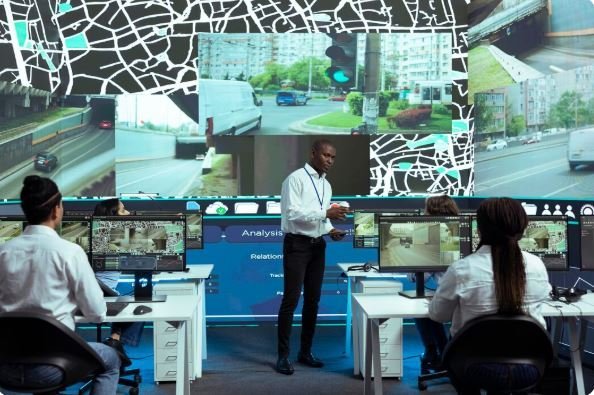
Modern security challenges require real-time monitoring and rapid response capabilities. Mobile systems provide live video feeds, motion detection, and remote access features that allow security teams to respond quickly to incidents. These systems are often equipped with solar power, wireless communication, and high-definition cameras to ensure uninterrupted operation.
Surveillance trailer deployment has become a preferred solution for industries that require flexible yet powerful monitoring systems capable of adapting to different operational conditions.
Core Components of Mobile Surveillance Systems
A mobile surveillance system typically consists of several integrated components designed to work together to provide comprehensive security coverage. These include high-resolution cameras, motion sensors, recording equipment, communication modules, and power supply systems.
Cameras are usually mounted on elevated platforms to provide a wide field of view and reduce blind spots. Motion sensors help detect movement in restricted areas, triggering alerts when unusual activity is detected. Recording systems store footage for later review, while communication modules enable remote monitoring and instant notifications.
Power systems, often solar or battery-based, ensure that the unit remains operational even in remote locations without access to electricity. Proper surveillance trailer deployment ensures that all these components are correctly configured and optimized for maximum efficiency.
Planning and Strategic Placement of Mobile Units
Effective surveillance begins with careful planning and strategic placement of monitoring equipment. The location of mobile units plays a significant role in determining the effectiveness of the surveillance system.
High-risk areas, entry points, and large open spaces are typically prioritized for monitoring. The goal is to eliminate blind spots and ensure complete visibility of the surrounding environment. Environmental factors such as lighting conditions, terrain, and accessibility are also considered during planning.
Surveillance trailer deployment requires detailed assessment of site conditions to determine optimal positioning and ensure maximum coverage. Proper placement enhances detection accuracy and reduces security vulnerabilities.
Installation and System Setup Process
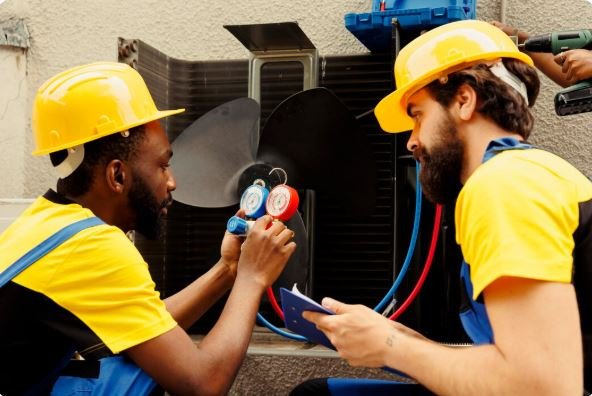
The installation of mobile surveillance systems is designed to be quick and efficient, allowing security coverage to be established in a short amount of time. The process typically involves positioning the trailer, stabilizing the structure, and configuring the surveillance equipment.
Once the unit is placed, cameras and sensors are adjusted to cover the required monitoring zones. Communication systems are tested to ensure reliable data transmission, and recording devices are configured for continuous operation.
During surveillance trailer deployment, technicians ensure that all systems are fully operational and properly calibrated before activating live monitoring. This ensures that the system can begin providing security coverage immediately.
Advantages of Mobile Surveillance Systems
Mobile surveillance systems offer numerous advantages over traditional fixed installations. One of the primary benefits is flexibility, as these systems can be relocated based on changing security needs. This makes them ideal for temporary projects or dynamic environments.
Another advantage is rapid deployment. These systems can be installed quickly without requiring extensive infrastructure or construction work. This reduces setup time and allows for immediate security coverage.
Additionally, mobile systems often include advanced features such as remote access, real-time alerts, and high-definition video recording. Proper surveillance trailer deployment ensures that these benefits are fully utilized to enhance security effectiveness.
Applications in Different Industries
Mobile surveillance systems are used across a wide range of industries due to their versatility and effectiveness. Construction sites often use them to monitor equipment, materials, and worker safety. Event organizers use them to manage crowd control and ensure public safety.
Industrial facilities use mobile surveillance to monitor remote or temporary operational areas, while emergency response teams use them to assess disaster-affected zones. Their ability to provide instant monitoring makes them valuable in situations where traditional systems are not practical.
Surveillance trailer deployment is particularly useful in environments that require temporary but high-level security coverage without permanent installation.
Maintenance and System Reliability
Regular maintenance is essential to ensure that mobile surveillance systems remain fully functional and reliable. Environmental exposure such as dust, rain, and temperature changes can affect system performance over time.
Maintenance tasks include cleaning camera lenses, checking power systems, testing communication modules, and updating software. Regular inspections help identify potential issues before they affect system performance.
Proper maintenance ensures that surveillance trailer deployment continues to deliver consistent and reliable monitoring without interruptions.
Integration with Modern Security Technology
Modern surveillance systems are increasingly integrated with advanced technologies such as artificial intelligence, cloud storage, and smart analytics. These features enhance detection accuracy and improve response efficiency.
AI-powered systems can analyze video feeds in real time to detect suspicious behavior, while cloud storage allows secure access to recorded footage from anywhere. Smart analytics provide insights into patterns and potential risks.
Surveillance trailer deployment combined with modern technology creates a powerful security solution capable of adapting to complex monitoring requirements.
Challenges in Mobile Surveillance Operations
Despite their advantages, mobile surveillance systems can face certain challenges. Environmental conditions such as extreme weather, poor lighting, or difficult terrain can impact performance. Signal interference or connectivity issues may also affect data transmission.
Security of the equipment itself is another concern, as mobile units must be protected from tampering or theft. Proper planning and secure installation help minimize these risks.
Experienced operators address these challenges through careful site assessment and system optimization during surveillance trailer deployment.
Safety and Operational Considerations
Safety is an important aspect of mobile surveillance operations. Equipment must be securely installed to prevent damage or accidents. Power systems must be safely managed to avoid electrical hazards.
Operators must also ensure that systems comply with relevant safety and operational standards. Proper training and procedures are essential for maintaining safe and effective operation.
Surveillance trailer deployment is designed with safety features that ensure stable installation and secure operation in various environments.
Future Developments in Mobile Surveillance
The future of mobile surveillance is expected to include more advanced automation, improved artificial intelligence, and enhanced connectivity. Systems will become more intelligent, capable of predicting security risks and responding automatically to threats.
Integration with smart infrastructure and IoT devices will further enhance monitoring capabilities. Real-time data analysis and predictive security models will improve decision-making and response times.
Surveillance trailer deployment will continue to evolve as part of these advancements, offering more efficient and intelligent security solutions.
Long-Term Value of Mobile Surveillance Systems
Investing in mobile surveillance systems provides long-term benefits such as improved security, reduced risk, and operational flexibility. These systems help protect assets, monitor activity, and ensure safety in dynamic environments.
They also reduce the need for permanent infrastructure, making them cost-effective for temporary or changing security requirements. Proper deployment and maintenance ensure long-term reliability and performance.
Surveillance trailer deployment offers a scalable solution that adapts to different security needs while maintaining consistent protection.
Conclusion on Mobile Security Solutions
Mobile surveillance systems have become an essential part of modern security strategies due to their flexibility, efficiency, and advanced capabilities. They provide reliable monitoring in environments where traditional systems are not practical.
Through careful planning, proper installation, and regular maintenance, these systems deliver continuous protection and situational awareness. Surveillance trailer deployment ensures that security coverage can be established quickly and effectively in a wide range of scenarios.
By combining advanced technology, strategic placement, and operational flexibility, mobile surveillance systems offer a powerful and reliable solution for modern security challenges.