Windows are essential for bringing natural light, ventilation, and visual appeal into a home, but they also play a critical role in energy efficiency and indoor comfort. Poorly installed windows can create serious problems such as drafts, air leaks, moisture intrusion, and uneven indoor temperatures. Even high-quality windows may fail to perform correctly if installation is not handled properly.
Expert window installation helps eliminate these problems by ensuring that windows are properly sealed, insulated, and fitted within the wall structure. Professional installation techniques improve thermal performance, reduce energy waste, and create a more comfortable indoor environment throughout the year. Understanding how proper installation prevents drafts and air leaks helps homeowners recognize the importance of skilled workmanship when upgrading or replacing windows.
Why Drafts and Air Leaks Are a Serious Problem
Drafts and air leaks may seem like minor inconveniences at first, but they can significantly affect both comfort and energy costs. Small gaps around windows allow conditioned indoor air to escape while outside air enters the home. During winter, cold drafts can make rooms uncomfortable and force heating systems to work harder. During summer, warm outside air increases cooling demands and reduces overall efficiency.
Air leaks also create uneven temperatures throughout the house, making some rooms feel colder or warmer than others. In addition to energy loss, poorly sealed windows can allow moisture, dust, allergens, and outdoor pollutants to enter the home.
Over time, these issues contribute to higher utility bills, increased HVAC wear, and reduced indoor comfort.
The Role of Proper Window Installation
Many homeowners assume that drafts are caused only by old or damaged windows, but improper installation is often the real source of the problem. Even brand-new windows can leak air if they are not installed correctly.
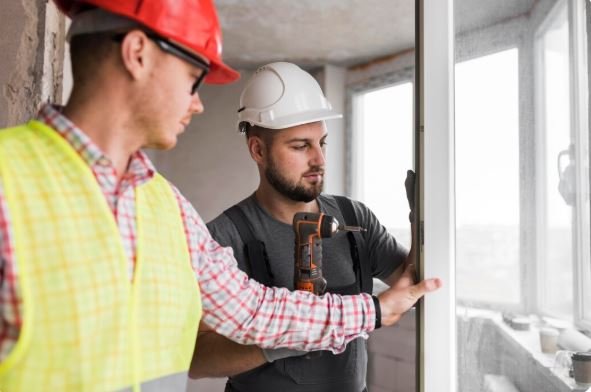
Expert window installation focuses on creating a secure and airtight connection between the window frame and the surrounding wall structure. This involves accurate measurements, proper alignment, insulation, flashing, and sealing techniques that prevent unwanted airflow.
Professional installers understand how different materials expand and contract due to temperature changes and ensure that the window system remains properly sealed over time.
Accurate Measurements Prevent Gaps
One of the most important parts of window installation is taking precise measurements before the project begins. Windows that are too small for the opening leave gaps that allow air infiltration, while oversized windows may create structural stress and sealing problems.
Expert installers carefully measure the width, height, and depth of the window opening to ensure the replacement window fits securely and evenly.
Accurate sizing minimizes gaps around the frame and provides a stronger foundation for insulation and weather sealing.
Proper Insulation Around the Window Frame
The area between the window frame and the wall opening is one of the most common locations for air leaks. If this space is not insulated properly, drafts can easily enter the home even if the window itself is energy efficient.
Professional window installation includes insulating the perimeter around the frame using expanding foam insulation, backer rods, or other approved materials. This insulation blocks airflow while also helping reduce noise and improve thermal performance.
Experienced installers apply insulation carefully to avoid overexpansion, which can place pressure on the frame and affect window operation.
High-Quality Weather Sealing Techniques
Weather sealing is essential for preventing drafts and protecting against moisture intrusion. Professional installers use high-quality sealants and weatherproof materials designed specifically for window applications.
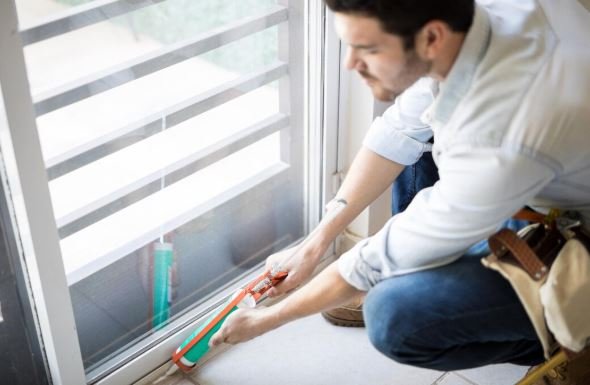
Sealants are applied around the exterior and interior edges of the frame to create an airtight barrier that prevents outside air from entering the home. Flashing systems are also installed to direct water away from the opening and prevent leaks.
Properly sealed windows maintain stronger insulation performance and improve long-term durability.
Preventing Moisture and Water Intrusion
Air leaks often occur alongside moisture problems because poorly sealed windows allow both air and water to enter wall cavities. Over time, moisture intrusion can lead to mold growth, wood rot, insulation damage, and structural deterioration.
Expert window installation includes waterproof flashing systems, drainage channels, and protective barriers that help direct water away from the window opening.
Preventing moisture intrusion not only protects the structure of the home but also helps maintain energy efficiency and indoor air quality.
Importance of Frame Alignment and Leveling
A window that is not level or properly aligned may fail to close tightly, creating small openings where air can pass through. Improper alignment can also place stress on the frame and hardware, leading to long-term operational issues.
Professional installers use leveling tools and adjustment techniques to ensure that the window sits squarely within the opening. Correct alignment helps the sash close securely and allows weatherstripping to function properly.
This precise fitting is essential for preventing drafts and maintaining long-term airtight performance.
Modern Window Technologies Improve Performance
Expert installation works best when combined with modern energy-efficient window technology. Today’s windows are designed with advanced features that help reduce air leakage and improve insulation.
These features may include:
- Double or triple-pane glass
- Low-E glass coatings
- Gas-filled insulated chambers
- Multi-layer weatherstripping
- Thermally insulated frames
When professionally installed, these technologies work together to create highly efficient window systems that minimize heat transfer and airflow.
Reducing Heating and Cooling Costs
One of the biggest benefits of preventing drafts and air leaks is lower energy consumption. Homes with properly installed windows require less heating and cooling because conditioned air remains inside more effectively.
Reduced energy loss lowers monthly utility bills and decreases strain on HVAC systems. Over time, the energy savings from expert window installation can offset much of the initial investment cost.
Improved efficiency also contributes to more environmentally responsible living by reducing overall energy use.
Improving Indoor Comfort Throughout the Year
Draft-free windows create a more stable and comfortable indoor environment. Rooms maintain more consistent temperatures, reducing cold spots during winter and excessive heat during summer.
Properly installed windows also improve sound insulation by blocking outside noise more effectively. This creates a quieter and more relaxing living space.
Enhanced comfort is one of the main reasons homeowners choose professional window installation when upgrading their homes.
Long-Term Durability and Performance
Poor installation can shorten the lifespan of even high-quality windows. Air leaks, moisture intrusion, and frame stress may lead to premature wear and costly repairs.
Expert installation ensures that windows operate correctly, remain properly sealed, and maintain structural stability over time. Professional workmanship protects the homeowner’s investment and helps maximize window lifespan.
Proper installation also reduces the likelihood of future maintenance issues related to drafts, condensation, or operational failure.
Increasing Property Value
Energy-efficient windows installed professionally are highly attractive to potential homebuyers. Buyers often look for homes with updated windows because they improve comfort, reduce maintenance concerns, and lower energy costs.
Expert window installation adds value by enhancing both performance and appearance. Well-installed modern windows contribute to improved curb appeal and greater marketability.
Homes with energy-efficient upgrades often stand out more strongly in competitive real estate markets.
Conclusion
Expert window installation plays a critical role in preventing drafts and air leaks that reduce comfort and increase energy costs. Accurate measurements, proper insulation, weather sealing, and professional alignment all work together to create an airtight and energy-efficient window system.
By investing in skilled installation and modern window technology, homeowners can improve indoor comfort, reduce utility bills, prevent moisture problems, and increase long-term property value. Properly installed windows not only enhance the performance of the home but also provide lasting benefits that improve everyday living for many years to come.