A roof is one of the most important structural components of any home, yet it is often one of the most neglected when it comes to regular maintenance. Over time, exposure to weather conditions such as rain, wind, sunlight, and temperature changes can weaken roofing materials and lead to serious damage. This is why a proper roof inspection is essential for maintaining the safety, durability, and performance of your home.
Many homeowners only think about their roof when a problem becomes visible, such as a leak or missing shingles. However, by the time these issues appear inside the home, the damage has often already spread. Regular inspections help identify small problems early before they turn into costly repairs or full roof replacements.
Understanding how inspections work, what professionals look for, and why they matter can help homeowners protect their investment and extend the life of their roofing system.
Understanding the Importance of Roof Inspection
A roof inspection is a detailed assessment of the condition of a roofing system. It involves checking both the exterior and interior components to identify any signs of damage, wear, or potential failure. The goal is to ensure that the roof is functioning properly and can continue to protect the home effectively.
During a roof inspection, professionals examine shingles, flashing, gutters, ventilation systems, and the underlying structure. They look for signs of deterioration such as cracks, leaks, rust, or sagging areas. Even small issues can indicate larger underlying problems that need attention.
Regular inspections are important because roofing systems are constantly exposed to environmental stress. Without proper evaluation, minor damage can go unnoticed and gradually worsen over time.
A scheduled roof inspection can help homeowners avoid unexpected repair costs and extend the lifespan of their roof significantly.
What Happens During a Professional Roof Inspection
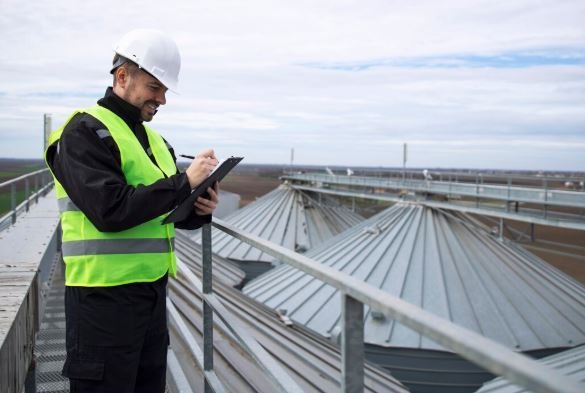
A professional roof inspection follows a systematic process to ensure nothing is overlooked. The first step is an exterior examination, where the condition of shingles or roofing material is assessed. Inspectors look for missing, cracked, or curling materials that may indicate wear or weather damage.
Flashing around chimneys, vents, and edges is also carefully checked, as these areas are common sources of leaks. Any gaps or deterioration in these sections can allow water to enter the structure.
Gutters and drainage systems are inspected to ensure proper water flow. Blocked or damaged gutters can lead to water buildup and roof damage over time.
The interior inspection is equally important. Professionals may check the attic for signs of moisture, mold, or insulation issues. Water stains or damp areas often indicate hidden roof problems that are not visible from the outside.
After completing the inspection, a detailed report is usually provided outlining any issues found and recommending necessary repairs or maintenance.
Common Issues Identified During Roof Inspection
A thorough roof inspection often reveals a variety of common problems that can affect the performance of the roof.
One of the most frequent issues is damaged or missing shingles. This can occur due to strong winds, heavy rain, or natural aging. Even a small number of missing shingles can expose the underlying structure to moisture.
Another common problem is flashing failure. Flashing is used to seal joints and prevent water from entering vulnerable areas. When it becomes loose or damaged, leaks can develop quickly.
Clogged gutters are also frequently identified during inspections. When gutters are blocked, water cannot flow properly and may overflow onto the roof or walls, causing damage.
Ventilation issues are another concern. Poor ventilation can lead to heat and moisture buildup in the attic, which can weaken the roof structure over time.
Structural sagging is a more serious issue that may indicate long-term damage or excessive weight on the roof. This requires immediate attention to prevent further deterioration.
Why Regular Roof Inspection Is Essential
Scheduling regular roof inspection sessions is one of the most effective ways to maintain the health of your roofing system. These inspections help detect problems early, allowing for timely repairs before they become major issues.
One of the biggest advantages is cost savings. Small repairs identified during inspections are typically much less expensive than major structural repairs or full roof replacements.
Regular inspections also improve safety. A damaged roof can pose risks such as leaks, mold growth, or even structural collapse in severe cases. Early detection reduces these risks significantly.
Another important benefit is increased roof lifespan. Proper maintenance based on inspection findings can extend the durability of roofing materials and delay the need for replacement.
Homeowners also gain peace of mind knowing that their roof is in good condition and capable of withstanding weather conditions.
When You Should Schedule a Roof Inspection
There are several situations where scheduling a roof inspection is highly recommended.
One of the most important times is after severe weather events such as storms, heavy rain, or strong winds. These conditions can cause hidden damage that may not be immediately visible.
It is also advisable to schedule inspections on a regular basis, even if no visible issues are present. Many experts recommend at least one inspection per year to ensure ongoing protection.
Before purchasing or selling a home, a roof inspection is essential. It provides valuable information about the condition of the roof and can influence property value and negotiation decisions.
If you notice signs such as leaks, water stains, or missing shingles, an inspection should be scheduled immediately to prevent further damage.
DIY vs Professional Roof Inspection
Some homeowners may consider performing their own roof inspection, but there are important differences between DIY checks and professional evaluations.
A basic DIY inspection can help identify obvious issues such as visible damage or debris buildup. However, it is limited in scope and may not detect hidden problems.
Professional inspections are far more detailed. Experts are trained to identify subtle signs of damage that are not easily visible. They also have the tools and experience needed to safely access difficult areas of the roof.
Safety is another important factor. Climbing onto a roof can be dangerous without proper equipment and training. Hiring a professional reduces the risk of accidents.
While DIY checks can be helpful for general awareness, a professional roof inspection is recommended for accurate assessment and long-term maintenance planning.
Maintenance Tips After Roof Inspection
After completing a roof inspection, it is important to follow through with recommended maintenance tasks. Addressing issues promptly helps prevent further damage.
Replacing damaged shingles or repairing flashing should be done as soon as possible. Delaying repairs can allow water to penetrate deeper into the structure.
Keeping gutters clean and free of debris is also essential for proper water drainage. This helps prevent overflow and water-related damage.
Trimming nearby trees can reduce the risk of falling branches and debris accumulation on the roof. This also helps minimize wear caused by constant contact with vegetation.
Monitoring attic conditions for moisture or temperature changes can help identify ventilation issues early.
Consistent maintenance based on inspection results ensures the roof remains in good condition for longer periods.
Long-Term Benefits of Regular Roof Inspection
Regular inspections provide long-term benefits that go beyond immediate repairs. One of the most significant advantages is the preservation of property value. A well-maintained roof enhances curb appeal and increases buyer confidence.
Energy efficiency is another benefit. A properly maintained roof with good insulation and ventilation helps regulate indoor temperatures and reduces energy costs.
Homeowners also experience fewer emergency repairs. By identifying problems early, inspections help prevent sudden roof failures or unexpected expenses.
Overall, consistent roof care contributes to a safer, more comfortable, and more efficient home environment.
Final Thoughts
A roof inspection is one of the most important maintenance tasks for any homeowner. It helps identify potential issues early, prevents costly repairs, and extends the lifespan of the roofing system.
By understanding what inspections involve and why they are necessary, homeowners can take proactive steps to protect their property. Whether scheduled regularly or after severe weather, inspections provide valuable insights into the condition of the roof.
Investing time in proper maintenance and professional evaluation ensures long-term safety, durability, and peace of mind for years to come.