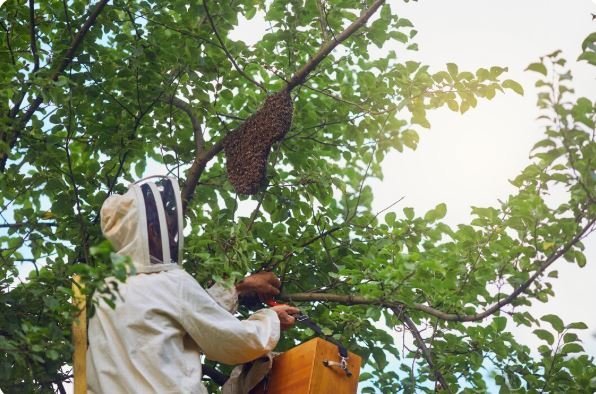
Introduction to Managing Wasp Problems Effectively
Wasps can quickly turn from a minor outdoor nuisance into a serious safety concern when they begin nesting near homes, workplaces, or recreational spaces. Their ability to build colonies in hidden and hard-to-reach areas makes them particularly challenging to manage without proper knowledge and care. Unlike many other insects, wasps can become defensive and aggressive when their nests are disturbed, which increases the risk of stings and potential allergic reactions. For this reason, dealing with them requires a structured and cautious approach rather than random or unsafe actions. Effective wasp control focuses on prevention, safe removal, and long-term deterrence to ensure that environments remain secure, comfortable, and free from recurring infestations.
Understanding Wasp Behavior and Colony Formation
To manage wasp issues successfully, it is important to understand how these insects behave and organize their colonies. Wasps are social insects that live in structured colonies consisting of a queen, workers, and developing larvae. The queen is responsible for reproduction, while worker wasps gather food, expand the nest, and protect the colony. They commonly build nests in sheltered and undisturbed locations such as roof spaces, wall cavities, trees, sheds, and underground areas. These nests are made from chewed wood fibers mixed with saliva, creating a paper-like structure that can expand rapidly during warmer months.
Wasps are highly attracted to protein-rich foods and sugary substances, which is why outdoor food areas often become hotspots for activity. Understanding these behaviors is essential for effective wasp control because it allows for targeted prevention strategies that address both nesting and feeding patterns.
Early Warning Signs of Wasp Activity
Detecting wasp activity at an early stage can significantly reduce the risk of large infestations. One of the most common signs is frequent and repeated flight activity in a specific area, especially where wasps enter and exit consistently. Small paper-like structures attached to walls, ceilings, or trees often indicate early nest formation. Buzzing sounds coming from hidden spaces such as attics or wall voids can also suggest the presence of an active colony.
Increased wasp sightings near food sources, garbage bins, or outdoor seating areas may signal that a nest is nearby. Early identification allows for timely action and prevents the colony from expanding. Proper wasp control depends heavily on recognizing these warning signs before the infestation becomes more difficult to manage.
Risks and Dangers Associated with Wasps
Wasps can pose several risks, especially when their nests are disturbed or accidentally approached. Unlike bees, wasps can sting multiple times, and their stings can be painful and cause swelling or irritation. In some individuals, wasp stings can trigger severe allergic reactions that require immediate medical attention. Even for those without allergies, multiple stings can lead to significant discomfort.
Beyond physical harm, the presence of wasps can limit the use of outdoor spaces and create anxiety for residents and visitors. This makes wasp control an important part of maintaining both safety and comfort in living environments. Proper management reduces the likelihood of dangerous encounters and helps ensure that outdoor and indoor spaces remain usable without fear.
Preventive Measures for Long-Term Protection
Prevention is the most effective strategy when dealing with wasps. Once a colony is established, removal becomes more complex and potentially hazardous. Preventive measures focus on reducing attractants and eliminating suitable nesting sites. Keeping outdoor areas clean and free of food residues is one of the most important steps. Covered garbage bins and proper waste disposal practices significantly reduce attraction.
Sealing cracks, gaps, and openings in walls, roofs, and other structures helps prevent wasps from finding nesting locations. Regular inspections of outdoor spaces can help identify early signs of activity. Consistent preventive practices form the foundation of effective wasp control and reduce the likelihood of future infestations.
Environmental Factors That Attract Wasps
Several environmental conditions can attract wasps to a particular area. Food sources such as sugary drinks, fruit, and exposed protein foods are strong attractants. Outdoor lighting can also attract insects at night, indirectly increasing wasp presence as they follow their food sources. Gardens with flowering plants or fruit-bearing trees may also draw wasps due to nectar availability.
Sheltered and undisturbed areas are ideal for nest building, making cluttered outdoor storage spaces particularly vulnerable. Understanding these environmental triggers is essential for developing effective wasp control strategies that modify surroundings to make them less appealing to these insects.
Safe Identification and Monitoring of Nests
Before taking any action, it is important to carefully identify and monitor wasp nests from a safe distance. Observing wasp movement patterns can help locate the nest without disturbing the colony. Early morning or late evening hours are typically safer for observation since wasps are less active during these times.
Nests may appear as gray or brown papery structures attached to surfaces or hidden within cavities. It is important not to attempt removal without proper protection or knowledge, as disturbing a nest can provoke aggressive behavior. Careful monitoring plays a crucial role in planning safe wasp control methods and avoiding unnecessary risks.
Physical Barriers and Structural Protection
One of the most effective ways to prevent wasp infestations is by limiting their access to potential nesting sites. Sealing gaps, cracks, and openings in buildings helps block entry points. Installing mesh screens on vents, windows, and other openings provides additional protection. Regular maintenance of roofs, eaves, and outdoor structures ensures that potential nesting areas are minimized.
Keeping storage areas organized and free from clutter also reduces hidden spaces where wasps may build nests. Physical prevention is a core element of long-term wasp control because it directly reduces opportunities for colony formation.
Natural Repellents and Non-Chemical Methods
Natural deterrents can be used as part of a broader prevention strategy. Certain scents such as peppermint oil, eucalyptus, and citronella are known to discourage wasp activity. These can be applied in outdoor areas to reduce attraction. Decoy nests are also sometimes used, as wasps tend to avoid building nests near existing colonies.
Reducing outdoor food exposure and maintaining cleanliness are simple but effective natural methods. While these approaches may not eliminate wasps entirely, they contribute significantly to overall wasp control by making environments less appealing.
Chemical Solutions and Professional Intervention
In cases where wasp colonies are large or located in difficult-to-access areas, chemical treatments may be necessary. These solutions are designed to eliminate entire colonies but must be used with extreme caution. Direct contact with active nests can be dangerous, and improper handling can lead to serious consequences.
Professional pest management services are often the safest and most effective option for dealing with severe infestations. Experts have the tools and experience needed to remove nests safely and apply treatments that prevent re-establishment. Professional involvement ensures that wasp control is carried out efficiently while minimizing risk to people and property.
Seasonal Patterns and Timing of Control Efforts
Wasp activity varies throughout the year, with peak activity occurring during warmer seasons. Early intervention during the initial stages of nest formation is far more effective than dealing with fully developed colonies. As temperatures decrease, wasp activity naturally declines, but abandoned nests may still pose risks if reused in the following season.
Understanding seasonal behavior allows for better planning and timing of control efforts. Effective wasp control depends on addressing infestations at the right stage for maximum efficiency and safety.
Managing Outdoor Spaces and Reducing Attraction
Proper maintenance of outdoor environments plays a key role in reducing wasp activity. Keeping gardens trimmed, removing fallen fruit, and maintaining clean outdoor dining areas can significantly reduce attraction. Garbage bins should always be sealed tightly to prevent access to food residues.
Reducing standing water and maintaining cleanliness in outdoor areas also helps minimize insect activity, which indirectly reduces wasp presence. These environmental adjustments are essential components of long-term wasp control strategies.
Common Mistakes in Wasp Management
Several mistakes can make wasp problems worse or increase safety risks. Attempting to remove nests without proper protection is one of the most dangerous errors. Ignoring early signs of activity often allows colonies to grow larger and more difficult to manage. Using improper methods or incomplete treatments may result in recurring infestations.
Avoiding these mistakes is critical for effective wasp control and ensures that management efforts produce safe and lasting results.
Importance of Professional Expertise
While minor preventive measures can be handled independently, larger infestations often require professional expertise. Pest control specialists are trained to identify nest locations, assess risks, and apply safe removal techniques. Their experience allows them to handle complex situations that may be dangerous for untrained individuals.
Professional assistance ensures that wasp control is carried out thoroughly and safely, reducing the risk of reinfestation and minimizing exposure to potential hazards.
Conclusion: Ensuring Safe and Long-Term Protection
Managing wasp activity requires a careful combination of prevention, monitoring, and safe removal techniques. These insects can pose significant risks when their nests are disturbed or left unmanaged, making proactive measures essential. By maintaining clean environments, sealing entry points, and addressing early signs of activity, infestations can be effectively prevented.
A structured approach to wasp control ensures that living and working spaces remain safe, comfortable, and free from unnecessary threats. With consistent effort and proper management strategies, long-term protection against wasp-related issues can be successfully achieved.