Introduction to Maintaining a Healthy Living Environment
A clean and well-maintained home plays an important role in supporting physical health, mental well-being, and overall comfort. Every living space naturally collects dust, dirt, allergens, and clutter over time, which can affect hygiene and create an unpleasant environment if not properly managed. While occasional tidying helps improve appearance, it is not enough to maintain long-term cleanliness. A structured approach is required to ensure that every area of the home remains fresh, safe, and organized. This is where residential cleaning becomes an essential part of daily living, offering a complete system for maintaining hygiene and comfort throughout the home.
Importance of Regular Home Maintenance
Keeping a home clean is not just about appearance; it directly impacts health and lifestyle. Dust, bacteria, and allergens can accumulate in hidden areas and affect indoor air quality. Poor cleaning habits may lead to respiratory issues, allergies, and general discomfort. A consistent routine ensures that these harmful elements are removed regularly.
A proper residential cleaning routine helps maintain balance in the home environment by preventing buildup of dirt and ensuring that all areas are properly maintained. It also reduces stress by creating a more organized and peaceful living space.
Understanding Different Areas of the Home
Every home consists of multiple sections, each with different cleaning requirements. Kitchens, bathrooms, bedrooms, and living areas all require specific attention based on usage and exposure to dirt. High-traffic areas tend to accumulate dust and stains more quickly, while hidden or less-used spaces may develop hidden buildup over time.
An effective cleaning strategy ensures that no area is neglected. A structured residential cleaning plan addresses both visible surfaces and hidden corners, creating a complete approach to hygiene and maintenance.
Daily Cleaning Habits for a Tidy Home
Maintaining cleanliness becomes easier when small habits are practiced daily. Simple actions such as wiping surfaces, washing dishes immediately, and organizing clutter can prevent dirt from accumulating. Making beds, sweeping floors, and managing waste regularly also contribute to maintaining order.
These small routines reduce the need for heavy cleaning later and help maintain a consistently clean environment. Incorporating residential cleaning habits into daily life ensures long-term ease and reduces overall workload.
Deep Cleaning and Periodic Maintenance
While daily cleaning focuses on surface hygiene, deeper maintenance is required to handle hidden dirt and bacteria. Over time, dust builds up in areas that are not regularly accessed, such as behind furniture, under appliances, and inside storage spaces.
Periodic deep cleaning includes scrubbing, disinfecting, and thoroughly cleaning all parts of the home. This ensures that even hidden contaminants are removed. A balanced combination of routine care and residential cleaning practices helps maintain a higher level of cleanliness throughout the home.
Kitchen Cleaning and Food Hygiene
The kitchen is one of the most important areas of any home because it is directly related to food preparation and storage. Grease, spills, and food particles can quickly build up if not cleaned properly. This can lead to bacteria growth and affect food safety.
Regular cleaning of countertops, appliances, and storage areas is essential. Refrigerators, ovens, and microwaves require periodic deep cleaning to remove hidden buildup. Proper residential cleaning in kitchens ensures a safe, hygienic, and healthy cooking environment.
Bathroom Cleaning and Moisture Control
Bathrooms are highly prone to moisture, making them ideal environments for mold, mildew, and bacteria growth. Regular cleaning helps manage visible dirt, but deeper maintenance is required to ensure full hygiene.
Tiles, sinks, toilets, and fixtures must be cleaned thoroughly to prevent buildup. Proper ventilation also plays a key role in controlling moisture levels. A consistent residential cleaning routine in bathrooms ensures a fresh, sanitary, and odor-free environment.
Living Room Maintenance and Dust Management
Living rooms are often high-traffic areas where dust and allergens accumulate quickly. Furniture, carpets, curtains, and decorative items can trap dirt over time, affecting indoor air quality.
Regular dusting, vacuuming, and surface cleaning help maintain cleanliness. However, deeper maintenance is also necessary to clean hidden areas and fabrics. Effective residential cleaning in living spaces enhances comfort and improves the overall appearance of the home.
Bedroom Hygiene and Comfort
Bedrooms are personal spaces designed for rest and relaxation, making cleanliness especially important. Bedding, mattresses, and pillows can collect dust mites and allergens over time, which may affect sleep quality.
Regular washing of bed linens and periodic cleaning of mattresses help maintain hygiene. Organizing wardrobes and reducing clutter also contributes to a peaceful environment. A consistent residential cleaning routine in bedrooms ensures better rest and improved comfort.
Floor Care and Surface Maintenance
Floors are one of the most frequently used surfaces in any home and require regular attention. Sweeping and mopping help remove surface dirt, but deeper cleaning is needed to eliminate embedded stains and grime.
Carpets and rugs require vacuuming and occasional deep cleaning to maintain freshness. Hard floors may need scrubbing or polishing depending on material type. Proper floor maintenance is a key part of residential cleaning and contributes significantly to overall cleanliness.
Air Quality and Hidden Dust Removal
Indoor air quality is affected by dust, allergens, and pollutants that accumulate in hidden areas. Air vents, fans, and filters often collect particles that circulate throughout the home if not cleaned regularly.
Cleaning these hidden sources improves air circulation and reduces allergens. A structured residential cleaning approach ensures that air quality is maintained, creating a healthier living environment.
Cleaning Tools and Proper Techniques
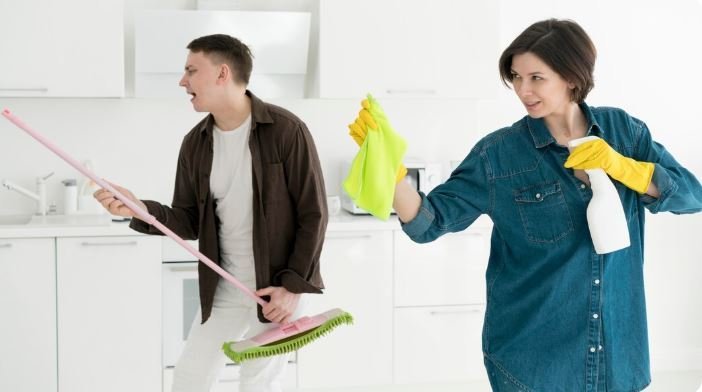
Using the right tools is essential for effective cleaning. Microfiber cloths, vacuum cleaners, mops, brushes, and disinfectants all help achieve better results. Each surface requires specific cleaning methods to avoid damage and ensure proper hygiene.
Understanding how to use cleaning tools correctly improves efficiency and reduces effort. Proper techniques make residential cleaning more effective and ensure consistent results across all areas of the home.
Time Management and Cleaning Organization
Maintaining cleanliness requires proper planning and organization. Dividing tasks into daily, weekly, and monthly schedules helps manage workload effectively. This ensures that all areas of the home receive proper attention without overwhelming effort.
Daily tasks focus on basic upkeep, while weekly and monthly routines include deeper cleaning activities. A structured residential cleaning schedule helps maintain consistency and long-term cleanliness.
Common Cleaning Mistakes to Avoid
Many people make mistakes that reduce the effectiveness of cleaning efforts. Ignoring hidden areas, skipping regular maintenance, or using incorrect cleaning products can lead to incomplete results.
Another common issue is neglecting ventilation and moisture control, which can lead to mold growth and recurring problems. Avoiding these mistakes ensures that residential cleaning efforts remain effective and long-lasting.
Benefits of a Clean and Organized Home
A clean home provides numerous benefits beyond appearance. It improves physical health, enhances mental well-being, and creates a more comfortable living environment. Clean surroundings reduce stress, improve focus, and increase overall productivity.
Consistent residential cleaning helps maintain order and prevents clutter from building up. Over time, this creates a healthier, more enjoyable lifestyle for everyone in the home.
Long-Term Maintenance and Prevention
Maintaining cleanliness is an ongoing process that requires consistent effort. Preventing dirt buildup through simple habits such as cleaning spills immediately, organizing regularly, and reducing clutter makes long-term maintenance easier.
Combining daily habits with periodic deep cleaning ensures that the home remains in excellent condition throughout the year. A proactive residential cleaning approach helps avoid major hygiene issues and keeps the environment consistently fresh.
Conclusion: Building a Healthier and Cleaner Living Space
A clean and well-maintained home is essential for comfort, health, and overall quality of life. While daily cleaning helps manage surface-level dirt, a structured and consistent approach is necessary for long-term hygiene. Proper residential cleaning ensures that every part of the home is maintained, from visible surfaces to hidden areas.
By following regular cleaning habits, using proper tools, and maintaining a structured schedule, it becomes easier to keep the home clean and organized. A well-maintained environment not only improves appearance but also supports better health, comfort, and long-term well-being.