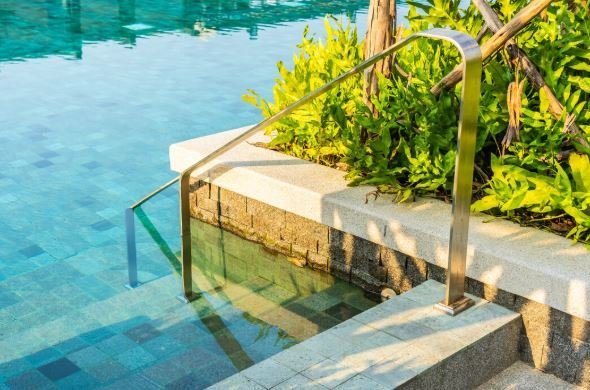
Maintaining a swimming pool involves more than just cleaning and chemical balancing. Over time, the surface of a pool naturally deteriorates due to constant exposure to water, chemicals, sunlight, and regular usage. Cracks, stains, rough textures, and fading finishes are common signs of aging that indicate the need for professional restoration. When left unaddressed, these issues can lead to more serious structural problems, water leakage, and reduced safety for swimmers.
One of the most effective ways to restore a pool’s appearance and functionality is through a complete resurfacing process. This process not only improves aesthetics but also strengthens the structural integrity of the pool, ensuring long-term durability and better performance. Proper maintenance and timely restoration play a crucial role in extending the life of any swimming pool.
Understanding Pool Surface Wear and Tear
Swimming pool surfaces are constantly exposed to harsh conditions. Chlorinated water, fluctuating temperatures, UV radiation, and physical usage all contribute to gradual wear and tear. Over time, the surface layer begins to break down, leading to visible damage such as discoloration, etching, and rough patches.
Chemical imbalance is one of the leading causes of surface deterioration. If the pH levels or chlorine concentration are not properly maintained, the water can become too acidic or too alkaline. This imbalance can erode plaster surfaces, causing them to weaken over time.
Physical abrasion from swimmers and debris also contributes to surface damage. Small cracks may begin to form, which can expand if not treated promptly. These minor issues often go unnoticed until they develop into larger structural concerns.
Regular inspection and maintenance help identify early signs of damage, but eventually, every pool requires surface renewal to maintain its functionality and appearance.
Importance of Surface Restoration for Longevity
Restoring a pool’s surface is not just about improving its appearance; it is about preserving its structural integrity. A damaged surface can lead to water leakage, inefficient chemical distribution, and increased maintenance costs.
When the surface layer becomes rough or porous, it allows water to seep into the underlying structure. This can weaken the pool shell and lead to long-term damage that is expensive to repair. Addressing these issues early helps prevent more serious complications.
Surface restoration also improves swimmer comfort and safety. Rough or uneven surfaces can cause discomfort or minor injuries, especially in high-traffic pools. A smooth, well-finished surface ensures a safer and more enjoyable swimming experience.
This is why many pool owners eventually invest in professional Pool replastering to restore both the visual appeal and structural strength of their pools.
Understanding the Process of Surface Renewal
The restoration process involves several steps designed to remove damaged layers and apply a new, durable finish. It begins with draining the pool completely to expose the existing surface.
Once exposed, the old layer is carefully inspected for cracks, stains, and structural weaknesses. Damaged areas are repaired to create a stable base for the new surface. This step is critical because any underlying issues left unaddressed can affect the longevity of the new finish.
After preparation, a new layer of plaster or finishing material is applied evenly across the surface. This layer is smoothed and shaped to ensure a uniform appearance and optimal durability.
Curing is the final step, where the surface is allowed to set properly before the pool is refilled with water. Proper curing ensures that the material bonds effectively and provides long-lasting performance.
Professional Pool replastering ensures that each of these steps is completed with precision, resulting in a strong and visually appealing finish.
Common Materials Used in Surface Restoration
Different materials can be used for resurfacing depending on the desired finish, durability requirements, and budget considerations.
Traditional plaster is one of the most commonly used materials. It provides a smooth finish and is cost-effective, but may require more frequent maintenance compared to advanced alternatives.
Aggregate finishes, which include quartz or pebble mixtures, offer greater durability and resistance to chemical damage. These finishes also provide a more textured and decorative appearance.
Modern resurfacing materials are designed to withstand harsh conditions and reduce long-term maintenance requirements. Choosing the right material depends on the pool’s usage, environment, and expected lifespan.
A well-executed Pool replastering project often includes consultation on material selection to ensure the best long-term results.
Signs That Indicate Surface Renewal Is Needed
There are several clear indicators that a pool requires resurfacing. One of the most obvious signs is rough or abrasive texture on the pool walls or floor. This occurs when the plaster begins to deteriorate and lose its smooth finish.
Staining and discoloration are also common signs. These can be caused by chemical imbalance, algae growth, or mineral deposits embedded in the surface over time.
Cracks, even small ones, should never be ignored. They can expand and lead to water leakage or structural weakening if not repaired promptly.
Increased chemical usage is another indicator. If more chemicals are required to maintain water balance, it may be due to surface porosity caused by aging plaster.
When these signs appear, timely Pool replastering becomes essential to prevent further damage and restore optimal conditions.
Benefits of Professional Surface Restoration
Investing in professional restoration provides multiple long-term benefits. One of the most important advantages is improved durability. A new surface layer protects the underlying structure and extends the life of the pool.
Aesthetic improvement is another significant benefit. A freshly resurfaced pool looks clean, modern, and visually appealing, enhancing the overall environment of the space.
Energy and maintenance efficiency also improve after resurfacing. A smooth surface requires fewer chemicals and less frequent cleaning, reducing overall maintenance costs.
Additionally, structural integrity is restored, reducing the risk of leaks and costly repairs in the future.
Professional Pool replastering ensures that all these benefits are achieved through proper techniques and high-quality materials.
Maintenance After Surface Restoration
After resurfacing, proper maintenance is essential to preserve the new surface and maximize its lifespan. The first few weeks after restoration are particularly important, as the surface is still curing and stabilizing.
Water chemistry must be carefully monitored during this period to avoid damaging the new finish. pH levels, chlorine concentration, and calcium hardness should remain within recommended ranges.
Regular cleaning helps prevent buildup of debris and algae, which can affect the appearance and durability of the surface.
Avoiding abrasive cleaning tools is also important, as they can scratch or damage the new finish.
With proper care, a newly resurfaced pool can remain in excellent condition for many years after Pool replastering.
Common Mistakes to Avoid During Restoration
Several mistakes can reduce the effectiveness of surface restoration if not carefully managed. One common issue is skipping proper surface preparation. Failing to repair underlying cracks or damage can lead to premature failure of the new layer.
Using low-quality materials is another mistake that can affect durability and appearance. High-quality materials are essential for long-lasting results.
Improper curing is also a major issue. If the surface is not allowed to set properly, it may become weak or uneven over time.
Ignoring water chemistry after restoration can also damage the new surface and reduce its lifespan.
Avoiding these mistakes ensures that Pool replastering delivers maximum value and long-term performance.
Long-Term Value of Surface Renewal
Surface restoration is a long-term investment that enhances both the functionality and appearance of a swimming pool. It reduces maintenance requirements, improves safety, and increases overall durability.
A well-maintained pool adds value to any property and provides a better experience for users. Whether for residential or commercial use, maintaining a strong and attractive surface is essential for long-term satisfaction.
Over time, the cost of regular maintenance decreases when the surface is properly restored, as fewer repairs and chemical adjustments are required.
Professional Pool replastering ensures that these long-term benefits are fully realized through expert application and quality materials.
Conclusion
Swimming pool surfaces naturally deteriorate over time due to constant exposure to chemicals, water, and environmental conditions. Addressing this wear through proper restoration is essential for maintaining both structural integrity and visual appeal.
Understanding the signs of damage, the restoration process, and proper maintenance practices helps pool owners make informed decisions that protect their investment.
Professional surface renewal not only enhances appearance but also improves safety, durability, and efficiency. With timely attention and proper care, a swimming pool can remain in excellent condition for many years.
Ultimately, investing in Pool replastering ensures that the pool continues to provide a safe, comfortable, and visually appealing environment while maintaining its long-term structural strength.