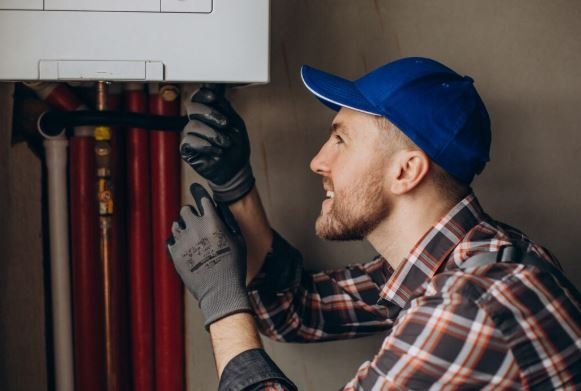
Hot water is an essential part of modern living, playing a crucial role in daily routines such as bathing, cooking, cleaning, and maintaining hygiene. Despite its importance, many homeowners and businesses often overlook the condition of their water heating systems until a problem arises. A failing or inefficient unit can disrupt daily life, increase energy costs, and even pose safety risks. This is why understanding the importance of water heater replacement is key to maintaining comfort, efficiency, and peace of mind.
This comprehensive guide explores everything you need to know about water heaters, including how they work, when they need to be replaced, the benefits of upgrading, and how proper installation and maintenance can ensure long-term performance.
Understanding the Role of Water Heaters in Daily Life
Water heaters are responsible for supplying hot water on demand, making them one of the most frequently used appliances in any household or commercial setting. Whether it is a morning shower or washing dishes after a meal, consistent access to hot water is essential.
These systems typically heat water using electricity, gas, or alternative energy sources and store it in a tank or provide it instantly through tankless systems. Over time, however, wear and tear can reduce their efficiency and reliability.
When performance declines, water heater replacement becomes necessary to restore functionality and maintain a consistent hot water supply. Ignoring early warning signs can lead to sudden breakdowns, leaving users without access to hot water when they need it most.
Types of Water Heaters Available Today
Modern water heaters come in a variety of designs, each offering unique benefits depending on usage needs and preferences. Traditional storage tank heaters are among the most common, storing heated water for immediate use. While reliable, they can run out of hot water if demand exceeds capacity.
Tankless water heaters, on the other hand, heat water on demand without storing it. This provides a continuous supply of hot water and often improves energy efficiency. However, they may require a higher initial investment.
Heat pump water heaters use electricity to transfer heat from the air or ground to warm the water, making them energy-efficient options. Solar water heaters utilize renewable energy from the sun, offering an environmentally friendly solution.
Choosing the right system during water heater replacement ensures optimal performance and energy efficiency based on specific household or business needs.
Signs That Indicate It Is Time for Replacement
Recognizing when a water heater needs to be replaced is crucial for avoiding unexpected failures. One of the most common signs is inconsistent water temperature. If hot water runs out quickly or fluctuates between hot and cold, the system may be failing.
Unusual noises such as rumbling or banging can indicate sediment buildup inside the tank, which reduces efficiency and damages internal components. Rusty or discolored water is another warning sign, often pointing to corrosion within the tank.
Leaks around the base of the heater are a serious concern and typically indicate structural damage that cannot be repaired easily. In such cases, immediate water heater replacement is necessary to prevent further damage.
Older systems, especially those over 10–15 years old, are more prone to failure and inefficiency, making replacement a practical and cost-effective solution.
Benefits of Replacing an Old Water Heater
Replacing an outdated water heater offers numerous advantages beyond restoring hot water access. One of the most significant benefits is improved energy efficiency. Modern systems are designed to use less energy while delivering better performance, resulting in lower utility bills.
Another advantage is enhanced reliability. New units are less likely to experience breakdowns, reducing the need for frequent repairs. This provides peace of mind and ensures uninterrupted access to hot water.
Safety is also improved with newer models. Advanced features such as temperature controls, pressure relief valves, and automatic shut-off systems reduce the risk of accidents.
Additionally, water heater replacement can increase property value by upgrading essential home infrastructure, making it more attractive to potential buyers or tenants.
The Replacement Process Explained
The process of replacing a water heater involves several important steps to ensure proper installation and functionality. It begins with assessing the current system and determining the appropriate replacement based on size, energy source, and usage requirements.
Once a suitable unit is selected, the old heater is carefully disconnected and removed. This step requires proper handling to avoid damage to surrounding plumbing systems.
The new system is then installed and connected to water lines, power supply, or gas lines as needed. Proper sealing and alignment are essential to prevent leaks and ensure efficient operation.
After installation, the system is tested to confirm that it heats water effectively and operates safely. A professional water heater replacement ensures that all components are installed correctly and meet safety standards.
Energy Efficiency and Cost Savings
Energy efficiency is a major factor in choosing a new water heater. Older units tend to consume more energy due to outdated technology and internal wear. Upgrading to a modern system can significantly reduce energy consumption.
Tankless and energy-efficient models provide hot water only when needed, minimizing energy waste. Insulated tanks and advanced heating elements also contribute to improved efficiency.
Over time, the savings on energy bills can offset the initial cost of water heater replacement, making it a smart financial decision in the long run.
Additionally, energy-efficient systems reduce environmental impact by lowering overall energy consumption and greenhouse gas emissions.
Maintenance Tips for Long-Term Performance
Proper maintenance is essential for extending the lifespan of a water heater and ensuring consistent performance. Regular inspection helps identify potential issues before they become major problems.
Flushing the tank periodically removes sediment buildup, which can affect heating efficiency and cause damage over time. Checking the anode rod and replacing it when necessary prevents corrosion inside the tank.
Inspecting valves, connections, and insulation also helps maintain optimal performance. Scheduling professional maintenance can further ensure that the system operates safely and efficiently.
After a water heater replacement, following recommended maintenance practices can maximize the lifespan and efficiency of the new system.
Common Mistakes to Avoid During Replacement
While replacing a water heater is a valuable investment, certain mistakes can lead to poor performance or additional costs. One common mistake is choosing the wrong size unit. A system that is too small may not meet demand, while an oversized unit can waste energy.
Improper installation is another major issue. Incorrect connections or inadequate ventilation can lead to safety hazards and reduced efficiency.
Ignoring compatibility with existing plumbing or energy sources can also cause problems. It is important to ensure that the new system integrates smoothly with the current setup.
Avoiding these mistakes during water heater replacement ensures a successful upgrade and long-term satisfaction.
Environmental Impact and Sustainability
Modern water heaters are designed with sustainability in mind. Energy-efficient models reduce resource consumption and minimize environmental impact. Solar and heat pump systems offer eco-friendly alternatives that rely on renewable energy sources.
Reducing energy usage not only lowers utility bills but also contributes to environmental conservation. Proper disposal and recycling of old units further support sustainable practices.
Choosing an efficient system during water heater replacement is a step toward a more environmentally responsible lifestyle.
The Future of Water Heating Technology
Advancements in technology continue to improve water heating systems, making them more efficient, reliable, and user-friendly. Smart water heaters equipped with digital controls and connectivity features allow users to monitor and adjust settings remotely.
Innovations in heating elements, insulation, and energy sources are expected to further enhance performance and reduce costs. Integration with smart home systems may also become more common, providing greater convenience and control.
As these technologies evolve, water heater replacement will continue to play a vital role in maintaining modern living standards and adapting to new innovations.
Conclusion
A reliable water heater is essential for maintaining comfort and convenience in everyday life. Over time, even the best systems wear out and require replacement to ensure continued performance and efficiency.
Understanding the signs of failure, choosing the right system, and ensuring proper installation are key factors in a successful upgrade. The benefits of improved energy efficiency, enhanced safety, and long-term cost savings make water heater replacement a worthwhile investment.
By taking a proactive approach and staying informed about modern water heating solutions, homeowners and businesses can ensure consistent access to hot water while improving overall efficiency and sustainability.