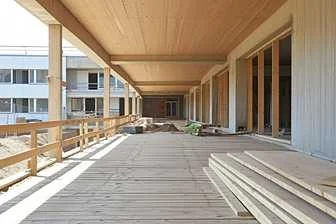
An outdoor deck is one of the most valuable features of a home, offering a comfortable area for relaxation, social gatherings, and everyday use. Over time, however, even the most well-maintained decks can deteriorate due to constant exposure to weather, moisture, and heavy use. When repairs are no longer enough to restore safety and appearance, replacing the entire structure becomes the best solution. A well-planned replacement not only improves aesthetics but also ensures long-term durability and functionality.
Replacing a deck is a significant investment, but it provides an opportunity to upgrade materials, redesign the layout, and introduce modern features that enhance usability. Understanding the process, costs, materials, and design considerations helps homeowners make informed decisions and achieve the best results from their project.
Understanding When Deck Replacement Is Necessary
Knowing when to replace a deck rather than repair it is crucial. While minor issues such as loose boards or surface wear can be fixed, extensive structural damage often requires a complete rebuild. Signs such as rotting wood, unstable support beams, widespread cracking, and persistent moisture damage indicate that the deck may no longer be safe.
Older decks that were built using outdated construction methods or materials may also need replacement to meet modern safety standards. In such cases, continuing repairs can become costly and ineffective over time.
A full Deck Replacement ensures that the structure is rebuilt from the ground up, providing a stronger and more reliable outdoor space that meets current needs and expectations.
Benefits of Replacing an Old Deck
Replacing an old deck offers several advantages beyond simply fixing damage. One of the biggest benefits is improved safety. A new structure eliminates hidden weaknesses and ensures that all components meet current construction standards.
Another advantage is the opportunity to upgrade design and functionality. Homeowners can choose new layouts, materials, and features that better suit their lifestyle. This may include adding seating areas, outdoor kitchens, or modern lighting systems.
A new deck also enhances property value. Potential buyers are more attracted to homes with well-maintained and modern outdoor spaces, making deck replacement a worthwhile investment.
In addition, modern materials often require less maintenance, reducing long-term costs and effort.
Planning the Deck Replacement Project
Proper planning is essential for a successful deck replacement. The process begins with assessing the existing structure and determining the scope of work. This includes identifying which parts need to be removed and how the new deck will be designed.
Design planning involves choosing the size, shape, and layout of the new deck. It is important to consider how the space will be used and how it connects with the rest of the home. Factors such as access points, traffic flow, and surrounding landscape should also be taken into account.
Setting a realistic budget is another important step. Costs can vary depending on materials, design complexity, and labor requirements. Planning ahead helps avoid unexpected expenses and ensures a smoother construction process.
Choosing the Right Materials for a New Deck
Material selection plays a major role in the durability, appearance, and maintenance of the new deck. Homeowners have several options to choose from, each with its own advantages.
Wood remains a popular choice due to its natural look and versatility. Pressure-treated wood is commonly used because it is resistant to moisture and insects. However, it requires regular maintenance to preserve its appearance.
Composite materials are becoming increasingly popular due to their durability and low maintenance requirements. They are resistant to fading, cracking, and moisture damage, making them a long-lasting option.
PVC and aluminum are other alternatives that offer excellent durability and resistance to environmental factors. While these materials may have higher upfront costs, they often provide better long-term value.
Selecting the right materials ensures that the new deck meets both aesthetic and functional requirements.
The Deck Replacement Process
Replacing a deck involves several stages, each requiring careful execution to ensure quality results. The process typically begins with the removal of the old structure. This includes dismantling boards, railings, and support systems.
Once the old deck is removed, the foundation is inspected and prepared for the new construction. This may involve installing new footings or reinforcing existing ones to ensure stability.
The next step is framing, which forms the structural base of the deck. Beams and joists are installed to support the surface and distribute weight evenly. After framing, decking boards are installed, followed by railings, stairs, and additional features.
The final stage includes finishing touches such as staining, sealing, or painting. These steps enhance appearance and provide protection against weather conditions.
Professional Deck Replacement ensures that each stage is completed with precision and meets safety standards.
Enhancing Functionality with Modern Features
A deck replacement project provides an excellent opportunity to incorporate modern features that improve usability and comfort. Built-in seating, storage solutions, and multi-level designs can add both functionality and visual appeal.
Outdoor lighting systems allow the deck to be used during evening hours, while pergolas or shade structures provide protection from sunlight. Adding an outdoor kitchen or fire pit can transform the deck into a complete entertainment area.
Smart technology can also be integrated, such as automated lighting or weather-resistant sound systems. These features create a more enjoyable and versatile outdoor environment.
Customizing the deck according to personal preferences ensures that it becomes a valuable extension of the home.
Cost Considerations and Budget Management
The cost of replacing a deck depends on several factors, including size, materials, design complexity, and labor. While it may require a significant investment, the long-term benefits often justify the expense.
High-quality materials may have higher initial costs but offer better durability and lower maintenance requirements. Labor costs should also be considered, especially when hiring experienced professionals.
It is important to include a contingency budget for unexpected expenses, such as structural repairs or design changes. Proper budgeting helps ensure that the project stays on track and meets expectations.
Common Challenges in Deck Replacement Projects
Deck replacement projects can present various challenges that require careful planning and problem-solving. Weather conditions can affect construction timelines, while uneven terrain may require additional preparation.
Matching the new deck with the existing style of the home can also be challenging. Design consistency is important for achieving a cohesive look.
Unexpected structural issues may arise during the removal of the old deck, leading to additional work and costs. Being prepared for such situations helps minimize delays and disruptions.
Working with experienced professionals helps address these challenges effectively and ensures a successful outcome.
Maintenance and Long-Term Care
After the new deck is installed, proper maintenance is essential to preserve its quality and appearance. Regular cleaning helps remove dirt and debris, while periodic inspections identify potential issues early.
Wooden decks may require sealing or staining to protect against moisture and UV damage. Composite decks require less maintenance but still benefit from occasional cleaning.
Checking structural components such as railings and supports ensures that the deck remains safe and stable. Proper care extends the lifespan of the deck and maintains its value.
Final Thoughts
Replacing an old deck is a valuable investment that improves safety, functionality, and overall property appeal. With careful planning, quality materials, and professional construction, homeowners can create a durable and stylish outdoor space that meets their needs.
Every stage of the process, from design to maintenance, plays a crucial role in achieving the desired outcome. A well-executed deck replacement project transforms an aging structure into a modern and reliable feature of the home.
Choosing professional services for deck replacement ensures that the project is completed efficiently and meets all safety standards. With the right approach, deck replacement not only enhances outdoor living but also adds long-term value and comfort to any property.