Commercial cleaning is a professional service designed to maintain cleanliness, hygiene, and overall presentation in business environments such as offices, retail spaces, warehouses, schools, healthcare facilities, and industrial buildings. Unlike basic cleaning routines, commercial cleaning focuses on large-scale, high-traffic areas that require specialized tools, trained staff, and structured cleaning systems to maintain consistent standards of cleanliness and safety. In modern business environments, cleanliness is no longer just about appearance, it is directly connected to productivity, customer experience, employee health, and brand reputation.
A clean business environment creates a strong first impression and builds trust with clients and visitors. It also plays a major role in improving employee morale and efficiency because people work better in organized and hygienic surroundings. Dust, dirt, clutter, and bacteria buildup can negatively affect both physical health and mental focus, which is why regular professional cleaning is considered an essential part of business operations rather than an optional service.
Commercial cleaning provides a structured approach to maintaining these standards through scheduled cleaning programs, deep cleaning services, and ongoing maintenance plans that ensure every area of a facility remains clean, safe, and presentable at all times.
Understanding Commercial Cleaning and Its Purpose
Commercial cleaning refers to specialized cleaning services performed in business and institutional spaces where standard cleaning methods are not enough to maintain hygiene and safety. These services are designed to handle larger areas, higher foot traffic, and stricter cleanliness requirements compared to residential environments.
The main purpose of commercial cleaning is to create a safe, healthy, and professional environment that supports daily business operations. This includes removing dust, disinfecting surfaces, managing waste, and ensuring that all areas of the facility are properly maintained.
Unlike general cleaning, commercial cleaning often involves advanced equipment, industrial-grade cleaning products, and trained professionals who understand how to clean different types of surfaces without causing damage. It also includes scheduled maintenance plans that ensure cleaning is done consistently rather than only when visible dirt appears.
This structured approach helps businesses maintain long-term cleanliness and avoid hygiene-related problems that can affect operations and reputation.
Importance of Cleanliness in Business Environments
Cleanliness in a business environment has a direct impact on how the organization is perceived by customers, clients, and employees. A well-maintained space communicates professionalism, reliability, and attention to detail, while a dirty or disorganized environment can create a negative impression that affects trust and credibility.
For employees, a clean workspace contributes to better focus, higher productivity, and improved job satisfaction. When work areas are clutter-free and hygienic, employees are less likely to experience distractions or health issues caused by dust and bacteria. This leads to a more efficient and motivated workforce.
For customers and visitors, cleanliness influences their overall experience and decision-making. A clean environment makes them feel comfortable and confident in the services or products being offered. This is especially important in industries such as retail, hospitality, healthcare, and corporate offices where customer experience plays a key role in business success.
Commercial cleaning ensures that these standards are consistently maintained, helping businesses operate smoothly and professionally.
Key Areas Covered in Commercial Cleaning Services
Commercial cleaning services cover a wide range of areas depending on the type of facility and its specific requirements. Offices typically require cleaning of desks, floors, meeting rooms, kitchens, and restrooms. Dusting, vacuuming, sanitizing surfaces, and waste removal are performed regularly to maintain a clean working environment.
Retail spaces require frequent floor cleaning, glass polishing, shelf cleaning, and entrance maintenance to ensure a visually appealing shopping experience for customers. Clean and organized retail environments help attract more customers and improve sales performance.
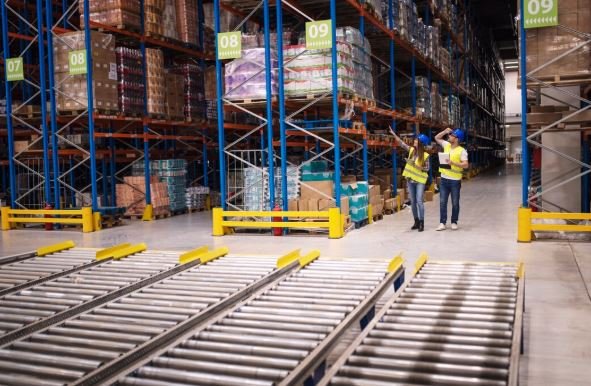
Industrial and warehouse facilities require more heavy-duty cleaning due to dust accumulation, equipment usage, and large operational spaces. These areas need specialized cleaning methods to maintain safety standards and prevent hazards.
Healthcare facilities require strict sanitization and disinfection protocols to control the spread of infections and maintain patient safety. Every surface in such environments must be cleaned according to regulatory standards.
Each of these environments requires a tailored cleaning approach, and commercial cleaning services are designed to meet these specific needs effectively.
Health and Hygiene Benefits of Commercial Cleaning
One of the most important benefits of commercial cleaning is improved health and hygiene. Business environments are exposed to constant human activity, which increases the spread of germs, bacteria, and viruses.
Regular cleaning and disinfection help reduce the risk of illness among employees and visitors by eliminating harmful microorganisms from frequently touched surfaces such as door handles, desks, switches, and shared equipment.
Dust and allergens are also controlled through routine cleaning, which improves indoor air quality and reduces respiratory issues such as allergies and asthma. This is especially important in enclosed office environments where air circulation may be limited.
A clean and sanitized workplace promotes a healthier environment, reducing sick days and improving overall workforce productivity.
Impact on Productivity and Workplace Efficiency
Clean environments have a significant impact on employee productivity and workplace efficiency. When workspaces are organized and free from clutter, employees can focus better on their tasks without unnecessary distractions.
A dirty or disorganized environment can lead to stress, reduced motivation, and lower performance levels. Over time, this can negatively affect business outcomes and overall efficiency.
Commercial cleaning helps maintain a structured environment where employees can work comfortably and efficiently. It also reduces time wasted on managing clutter or dealing with unclean workspaces.
A well-maintained workplace encourages discipline, improves workflow, and supports better time management across teams.
Role of Commercial Cleaning in Business Image and Branding
The physical appearance of a business plays a major role in shaping its brand image. Customers often judge a company based on the cleanliness and organization of its environment before they even interact with its products or services.
A clean and well-maintained facility creates a positive impression and builds trust with clients. It reflects professionalism and shows that the business cares about quality and attention to detail.
On the other hand, an unclean environment can damage reputation and reduce customer confidence. Even if a business offers high-quality services, poor cleanliness can overshadow its strengths.
Commercial cleaning ensures that businesses consistently present a strong and positive image to everyone who enters their space.
Types of Commercial Cleaning Services
Commercial cleaning includes various types of services designed to meet different business needs. Routine cleaning involves daily or weekly maintenance tasks such as dusting, vacuuming, mopping, and trash removal.
Deep cleaning is more intensive and focuses on areas that are not cleaned regularly, such as behind furniture, inside vents, and detailed floor care. This type of cleaning is usually done periodically to reset the environment to a high standard of cleanliness.
Window cleaning ensures that glass surfaces remain clear and free from smudges, improving both interior lighting and exterior appearance.
Restroom cleaning and sanitation are critical components of commercial cleaning because these areas require constant attention to maintain hygiene and prevent odors.
Post-construction cleaning is performed after renovation or building work to remove dust, debris, and leftover materials from the space.
Each service plays a specific role in maintaining overall cleanliness and functionality.
Equipment and Techniques Used in Commercial Cleaning
Professional commercial cleaning relies on advanced equipment and effective techniques to achieve high standards of cleanliness. Industrial vacuum cleaners are used to remove dust and debris from large areas efficiently.
Floor scrubbers and polishers are used to clean and maintain different types of flooring, including tile, wood, and concrete. Pressure washing equipment is often used for exterior surfaces and heavily soiled areas.
Disinfection tools and eco-friendly cleaning products are used to ensure hygiene without causing harm to surfaces or the environment. Microfiber materials are commonly used because they capture dust and bacteria more effectively than traditional cloths.
These tools and techniques allow cleaning professionals to deliver consistent and high-quality results across different types of commercial environments.
Importance of Regular Cleaning Schedules
Consistency is one of the most important aspects of commercial cleaning. Regular cleaning schedules ensure that dirt, dust, and bacteria do not accumulate over time.
High-traffic areas often require daily cleaning, while other areas may be maintained on a weekly or monthly basis depending on usage levels.
A structured cleaning schedule helps businesses maintain continuous cleanliness without disrupting daily operations. It also prevents the buildup of dirt that can become difficult and costly to remove later.
Regular maintenance ensures that facilities always remain in optimal condition.
Long-Term Business Value of Commercial Cleaning
Investing in commercial cleaning provides long-term value for businesses by protecting assets and improving operational efficiency. Clean environments reduce wear and tear on furniture, flooring, and equipment, helping them last longer.
It also reduces maintenance costs by preventing damage caused by dirt and neglect. Businesses that maintain high cleanliness standards often experience better customer retention and stronger brand reputation.
A clean workplace also supports employee satisfaction, which contributes to lower turnover rates and improved performance.
Over time, commercial cleaning becomes a valuable investment that supports both financial and operational success.
Final Thoughts
Commercial cleaning is an essential part of modern business operations that goes far beyond basic cleaning tasks. It ensures that workplaces remain safe, hygienic, organized, and professional at all times.
By improving health conditions, increasing productivity, and enhancing brand image, commercial cleaning directly contributes to business success. It also protects assets and creates a positive environment for employees and customers alike.
In today’s competitive world, maintaining a clean and well-managed business environment is not optional but a necessity. Commercial cleaning provides the structure and consistency needed to achieve this standard, making it a critical investment for long-term growth and success.