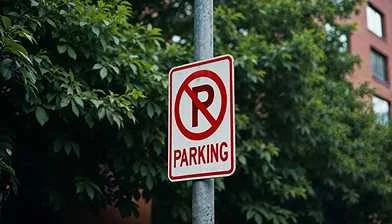
Without clear and visible signs, even a well-designed parking area can quickly become confusing, unsafe, and inefficient for drivers and pedestrians alike.
Parking lot signage provides essential information that helps users navigate the space, follow rules, and avoid potential hazards. From directing traffic flow to identifying reserved areas and ensuring compliance with safety regulations, signage plays a critical role in maintaining order. A properly planned signage system not only improves safety but also enhances the overall user experience and reflects positively on the property.
Importance of Parking Lot Signage
Parking lot signage is essential for guiding drivers and pedestrians safely through a parking area. Clear and visible signs reduce confusion by providing directions, identifying restrictions, and highlighting important areas such as entrances, exits, and pedestrian crossings. When signage is missing or unclear, drivers may struggle to understand where to go or how to park, leading to congestion and increased risk of accidents.
Another key benefit of parking lot signage is its role in enforcing rules. Signs indicate speed limits, no-parking zones, fire lanes, and other restrictions that help maintain safety and order. Without these visual cues, it becomes difficult to regulate behavior, which can result in misuse of space and potential safety hazards.
In addition to safety and organization, signage also contributes to accessibility. Clearly marked signs for accessible parking spaces ensure that individuals with disabilities can easily locate and use designated areas. This is not only a matter of convenience but also a requirement in many regulations.
Types of Parking Lot Signage
A well-equipped parking lot includes a variety of signs, each serving a specific purpose. Understanding these types helps property owners create a comprehensive and effective signage system.
Directional Signs
Directional signs guide drivers through the parking area, indicating entrances, exits, and traffic flow. These signs help prevent confusion and ensure that vehicles move smoothly without unnecessary congestion. Arrows and clear instructions are commonly used to communicate directions effectively.
Regulatory Signs
Regulatory signs communicate rules and restrictions that must be followed within the parking area. These include stop signs, speed limit signs, no-parking zones, and fire lane markings. Such signage is essential for maintaining order and ensuring compliance with safety standards.
Reserved Parking Signs
Reserved parking signs identify spaces designated for specific users, such as staff, visitors, or customers. These signs help ensure that spaces are used appropriately and prevent unauthorized parking.
Accessible Parking Signs
Accessible parking signage is crucial for identifying spaces reserved for individuals with disabilities. These signs must be clearly visible and placed at appropriate heights to ensure compliance with accessibility standards. Proper signage ensures that these spaces are respected and used correctly.
Warning Signs
Warning signs alert drivers and pedestrians to potential hazards within the parking area. These may include sharp turns, speed bumps, or pedestrian crossings. By providing advance notice, warning signs help reduce the risk of accidents.
Key Features of Effective Parking Lot Signage
For signage to be effective, it must be designed and installed correctly. Visibility is one of the most important factors. Signs should be easy to read from a distance, with clear text and contrasting colors. Reflective materials are often used to ensure visibility at night or in low-light conditions.
Placement is another critical aspect. Signs should be positioned where they are easily noticeable and relevant to the situation. For example, directional signs should be placed before intersections, while regulatory signs should be located near the areas they apply to.
Durability is also important, as parking lot signs are exposed to weather conditions and wear over time. High-quality materials ensure that the signs remain legible and effective for an extended period.
Consistency in design helps users quickly understand and recognize different types of signs. Using standard colors, symbols, and formats makes it easier for drivers and pedestrians to interpret the information.
The Role of Signage in Safety and Compliance
Parking lot signage plays a vital role in ensuring safety and meeting regulatory requirements. Clear signs help prevent accidents by guiding drivers and alerting them to potential hazards. They also ensure that important areas, such as fire lanes and emergency exits, remain accessible at all times.
Compliance with regulations is another critical aspect. Many authorities require specific signage for accessible parking spaces, fire lanes, and traffic control. Failure to meet these requirements can result in fines or legal issues. Proper signage ensures that the parking area meets all necessary standards and provides a safe environment for users.
Designing an Effective Signage Plan
Creating an effective signage plan requires careful consideration of the parking lot layout and user needs. The first step is to identify key areas where signage is required, such as entrances, exits, intersections, and pedestrian crossings. Understanding traffic patterns helps determine the placement and type of signs needed.
The design should prioritize clarity and simplicity. Overloading the parking area with too many signs can create confusion rather than improve navigation. Each sign should serve a clear purpose and provide easily understandable information.
Coordination with parking lot striping is also important. Signs and pavement markings should work together to create a cohesive system that guides users effectively.
Maintenance of Parking Lot Signage
Regular maintenance is essential to ensure that parking lot signage remains effective. Over time, signs may fade, become damaged, or be obstructed by dirt or debris. Routine inspections help identify these issues and allow for timely repairs or replacements.
Cleaning signs regularly ensures that they remain visible and easy to read. Replacing damaged or worn-out signs is crucial for maintaining safety and compliance. Proper maintenance not only extends the lifespan of the signage but also ensures that the parking area continues to function efficiently.
Common Mistakes to Avoid
There are several common mistakes that can reduce the effectiveness of parking lot signage. Poor placement is one of the most frequent issues, as signs that are not easily visible fail to serve their purpose. Using unclear or overly complex designs can also create confusion for users.
Another mistake is neglecting maintenance, which can result in faded or damaged signs that are difficult to read. Overcrowding the parking area with too many signs can overwhelm users and reduce the overall effectiveness of the system.
Ignoring regulatory requirements is a serious issue that can lead to legal complications. Ensuring that all necessary signs are in place and meet required standards is essential for avoiding such problems.
Benefits of Investing in Quality Signage
Investing in high-quality parking lot signage provides long-term benefits for property owners. Improved safety is one of the most important advantages, as clear signs help prevent accidents and ensure smooth traffic flow.
Enhanced organization is another benefit, as signage helps maintain order and ensures that spaces are used correctly. This leads to a more efficient and user-friendly parking area.
A well-maintained signage system also improves the overall appearance of the property, creating a positive impression for visitors and customers. Additionally, compliance with regulations helps avoid fines and legal issues, providing peace of mind for property owners.
Future Trends in Parking Lot Signage
Advancements in technology are influencing the future of parking lot signage. Digital signs and smart parking systems are becoming more common, providing real-time information about parking availability and traffic conditions. Reflective and high-visibility materials are also being developed to improve safety in low-light environments.
These innovations are expected to enhance the efficiency and usability of parking areas, making them more adaptable to changing needs. Property owners who stay updated with these trends can benefit from improved functionality and user experience.
Conclusion
Parking lot signage is a fundamental component of a safe and well-organized parking area. It provides clear guidance, enforces rules, and ensures compliance with safety standards. By investing in high-quality signage and maintaining it regularly, property owners can create a parking environment that is both efficient and user-friendly.
A thoughtful approach to signage design and placement can significantly improve traffic flow, reduce risks, and enhance the overall experience for drivers and pedestrians. In the long run, effective parking lot signage contributes to the success and value of any property.