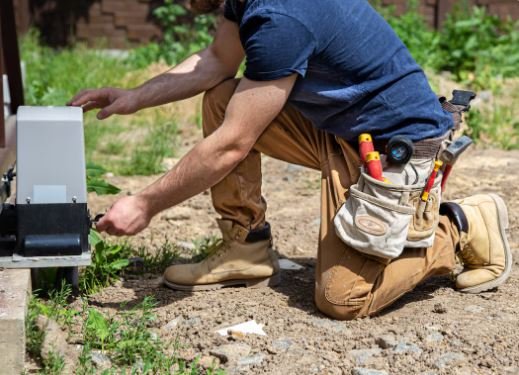
A well pump is the heart of a private water system, supplying essential water for drinking, bathing, irrigation, and other daily needs, and yet it is often overlooked until a malfunction occurs. A failing or poorly functioning well pump can disrupt household routines, compromise water quality, and lead to costly repairs if the underlying issues are not addressed promptly. Understanding the mechanisms of a well pump, recognizing common problems, knowing the appropriate repair techniques, and performing preventive maintenance are all crucial steps in ensuring reliable water supply and extending the service life of the system. Effective well pump repair requires both knowledge and practical skills, encompassing a combination of mechanical troubleshooting, electrical inspection, and careful handling of sensitive components. In this comprehensive guide, we will explore the types of well pumps, common issues, repair techniques, necessary tools and materials, safety precautions, and strategies for maintaining a well-functioning system over the long term, providing homeowners and maintenance professionals with actionable insights to protect one of the most vital household resources.
Understanding the Function and Types of Well Pumps
Before attempting any well pump repair, it is important to understand the type of system in use and how it functions, as this knowledge informs the troubleshooting and repair process. Well pumps can generally be divided into two main categories: submersible pumps and jet pumps. Submersible pumps are installed within the well itself and are designed to push water to the surface, making them highly efficient for deep wells and minimizing the risk of cavitation. In contrast, jet pumps are installed above ground and pull water from the well through suction, making them suitable for shallow wells but more sensitive to issues like air leaks and clogged intake lines. Within these categories, variations exist based on motor type, capacity, and control mechanisms, including automatic pressure switches and electronic sensors that regulate pump operation. Understanding the operational principles and specific type of well pump in your system is critical because repair methods, troubleshooting steps, and required tools differ depending on whether the system is a submersible deep-well pump or a shallow jet pump.
Common Issues Requiring Well Pump Repair
Well pumps are exposed to both mechanical and electrical stress, and identifying the symptoms of malfunction is the first step in effective well pump repair. A common issue is the pump failing to turn on or shutting off unexpectedly, which often indicates electrical problems such as faulty wiring, tripped circuit breakers, a malfunctioning pressure switch, or motor failure. Low water pressure or inconsistent water flow may signal clogged intake screens, partially blocked pipes, or a pump that is losing efficiency due to wear and tear. Strange noises such as humming, grinding, or rattling are often symptomatic of mechanical problems, including worn bearings, impeller damage, or debris in the pump housing. Water that appears discolored or contains sediment may indicate a compromised pump seal or contamination within the well, requiring both cleaning and component replacement. Additionally, older pumps may experience decreased performance over time due to corrosion, scale buildup, or natural wear of moving parts. Recognizing these common issues early allows homeowners to perform timely repairs, preventing further damage to the system and maintaining a reliable water supply.
Essential Tools and Materials for Well Pump Repair
Effective well pump repair requires a range of specialized tools and materials, depending on whether the repair involves electrical troubleshooting, mechanical component replacement, or system cleaning. Essential tools for electrical inspection include multimeters for testing voltage and continuity, wire strippers and connectors for repairing or replacing wiring, and screwdrivers or socket sets for accessing control boxes and pressure switches. Mechanical repairs often require wrenches, pliers, pipe cutters, and sealant compounds to disassemble and reassemble pump components securely. For submersible pumps, additional equipment such as rope or cable hoists may be necessary to safely lift the pump from the well without causing damage. Replacement parts may include impellers, bearings, seals, pressure switches, check valves, and pump motors, depending on the specific issue being addressed. Using high-quality materials designed for well systems ensures durability, reduces the likelihood of recurring problems, and maintains the overall efficiency of the water supply system.
Step-by-Step Approach to Well Pump Repair
Repairing a well pump requires a systematic approach to ensure both safety and effectiveness. The first step is to turn off power to the pump at the circuit breaker to prevent electric shock or accidental activation. For electrical issues, inspect wiring connections, fuses, breakers, and the pressure switch for signs of wear, corrosion, or damage, using a multimeter to verify continuity and voltage levels. Mechanical issues require removing the pump from the well, which may involve carefully detaching the discharge pipe and hoisting the pump out of the water. Once the pump is accessible, inspect the impeller, bearings, seals, and intake screen for wear, debris, or damage. Cleaning or replacing worn components restores proper functionality, while lubricating moving parts as recommended by the manufacturer ensures smooth operation. After reassembly, reinstall the pump in the well, reconnect the discharge line, restore electrical power, and test the system for proper water flow, pressure consistency, and noise-free operation. Following these steps carefully prevents further damage and ensures that repairs are both effective and long-lasting.
Safety Precautions During Well Pump Repair
Safety is paramount when performing pump repair, as both electrical and mechanical hazards are present. Before beginning any work, always disconnect electrical power to the pump and verify that it is off with a multimeter. When lifting or handling submersible pumps, ensure that proper hoisting equipment or support mechanisms are in place to prevent injury or damage to the pump. Wear protective gloves, eye protection, and appropriate footwear to minimize the risk of cuts, abrasions, or contact with contaminated water. Avoid working alone if possible, especially when handling heavy or cumbersome components, as a second person can assist with lifting and provide additional safety oversight. For repairs that involve electrical troubleshooting or replacement of wiring and control systems, follow manufacturer guidelines and local electrical codes to prevent short circuits or electrocution. Adhering to these safety measures ensures that repairs are performed without injury and protects both the technician and the equipment from avoidable harm.
Preventive Maintenance to Minimize Well Pump Issues
Preventive maintenance is essential to reduce the frequency of repairs and extend the life of a well pump system. Regular inspection of the pump and associated components allows early detection of electrical problems, mechanical wear, or debris buildup that could compromise performance. Flushing the system periodically removes sediment and mineral deposits that can obstruct the pump intake or damage internal components. Maintaining proper water levels in the well and monitoring the operation of pressure switches and sensors ensures consistent performance and prevents dry running, which can severely damage a pump motor. Lubricating bearings and moving parts, cleaning screens and filters, and testing electrical components according to the manufacturer’s recommendations all contribute to system reliability. By implementing a structured preventive maintenance schedule, homeowners and professionals can detect potential issues before they become major problems, ensuring continuous access to safe and reliable water.
Signs That Professional Assistance May Be Necessary
While some well pump issues can be addressed by homeowners with the right knowledge and tools, certain problems require professional expertise to prevent damage or safety hazards. Persistent electrical malfunctions, unusual mechanical noises that cannot be resolved by cleaning or minor component replacement, or repeated drops in water pressure may indicate complex underlying issues that need specialized diagnosis. Additionally, submersible pumps that require hoisting from deep wells or repairs involving high-voltage electrical connections are generally best handled by experienced technicians. Engaging a qualified professional ensures that repairs comply with safety standards, use the correct parts, and restore the pump to optimal operation without risk of further damage or injury. Knowing when to call an expert is an important aspect of responsible well pump maintenance and contributes to the long-term reliability of the water system.
Eco-Friendly Considerations in Well Pump Maintenance and Repair
Sustainable practices can also be applied to well pump repair and maintenance to minimize environmental impact while ensuring system longevity. Proper disposal of old parts, lubricants, and chemical-based sealants prevents contamination of soil and groundwater. Using energy-efficient pump motors reduces electricity consumption while maintaining adequate water supply. Regular maintenance, including filter cleaning and water testing, minimizes the risk of chemical contamination and reduces reliance on harsh cleaning agents. By integrating eco-friendly practices into both repair and routine maintenance, homeowners and professionals can achieve effective well pump operation while promoting environmental responsibility, sustainability, and resource conservation.
Conclusion: The Importance of Timely and Effective Well Pump Repair
A well-functioning pump is critical to ensuring uninterrupted access to water, a fundamental requirement for both daily living and household operations, and timely well pump repair is essential to maintain this vital resource. Understanding the types of pumps, recognizing common problems, using the right tools and materials, following safe repair procedures, and implementing preventive maintenance strategies all contribute to a reliable and long-lasting water system. Whether addressing electrical issues, mechanical wear, or clogged intake components, careful and knowledgeable repair ensures that the system operates efficiently, protects the longevity of the pump, and minimizes costly downtime. By combining practical skills with preventive care, homeowners and professionals can safeguard the water supply, maintain system efficiency, and extend the operational life of a well pump, making regular inspection and repair a cornerstone of responsible water system management.